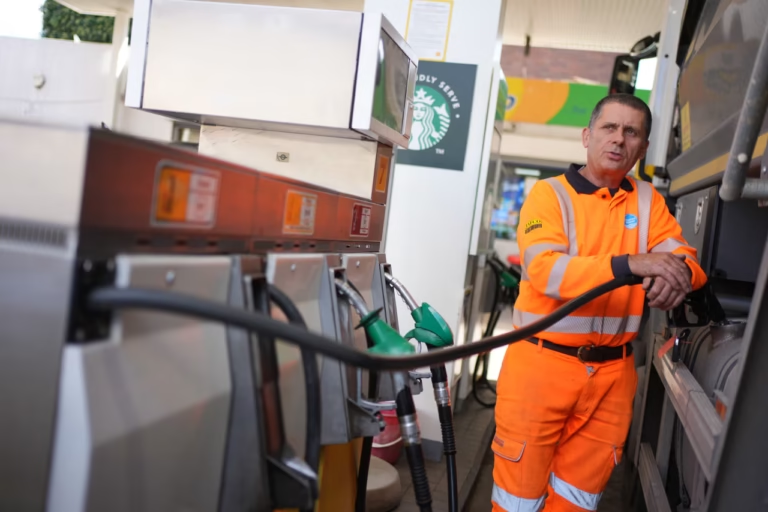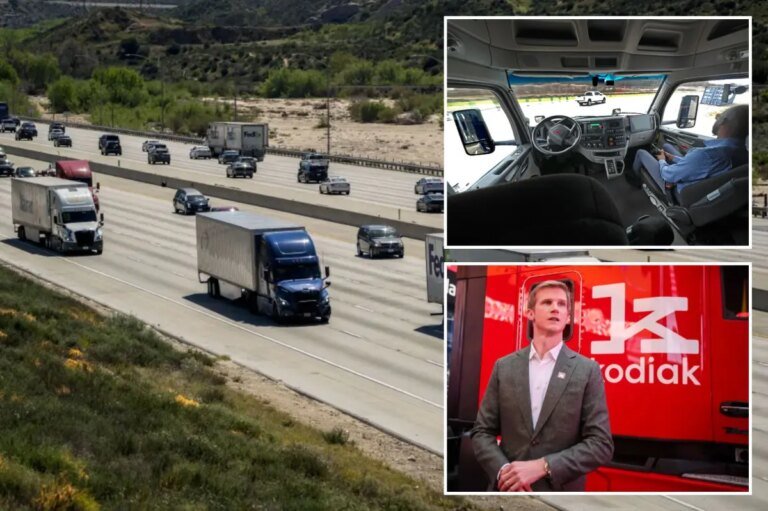


American businesses are adapting to a prevailing sentiment that higher inflation levels may be a permanent fixture in the economy. Despite expectations for a potential decrease in inflation rates, particularly following recent reductions in gasoline prices, many business leaders and economists remain skeptical about the sustainability of such relief.
The notion that inflation could stabilize at elevated levels is reshaping business strategies and economic forecasts. Executives express concerns that even if short-term improvements are reported, long-term inflationary pressures will persist. As a result, businesses are re-evaluating their pricing strategies, supply chain operations, and overall financial planning to navigate a potentially protracted period of elevated costs.
This cautious outlook reflects a significant shift in how companies are preparing for the upcoming economic landscape. With inflation impacting consumer purchasing power and operational expenses, businesses are emphasizing the need for agility and resilience.
As the economic environment evolves, the implications of sustained inflation are expected to affect various sectors, compelling organizations to stay vigilant and adapt proactively to new challenges.
Why this story matters:
- Understanding inflation trends is critical for planning and decision-making in the business sector.
Key takeaway:
- Many businesses are preparing for a long-term presence of higher inflation, influencing their strategies and operations.
Opposing viewpoint:
- Some economists maintain that recent trends may indicate a return to lower inflation, suggesting that current fears could be overstated.