


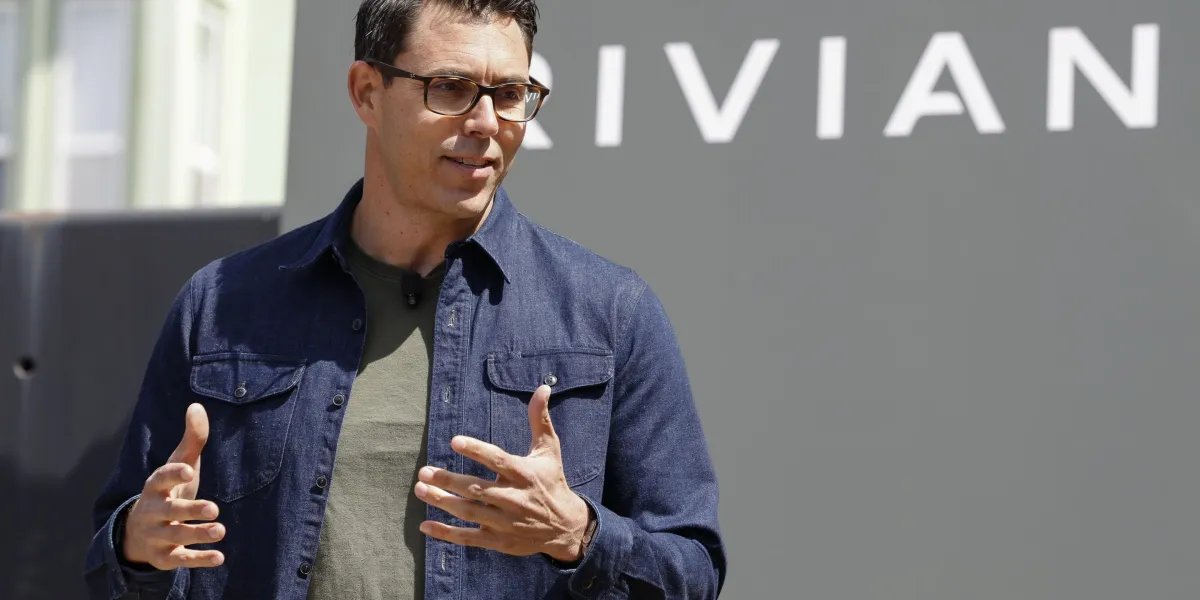
CEO RJ Scaringe of Rivian showcased the new R2 electric SUV at the Aspen Ideas Festival, drawing attention to the vehicle’s interior details, including a felt-lined glove box that retails for $11. Scaringe expressed enthusiasm over positive early reviews, highlighting a strong desire for customer approval as the R2 prepares for its market debut next year.
Founded in 2009, Rivian has experienced substantial growth, launching its first products—a pickup and a large SUV—after nine years of development. The company’s 2021 IPO was the largest of that year, raising nearly $12 billion to bolster production efforts. Significant partnerships with Amazon, which sees Rivian delivering electric delivery vans, and a joint venture with Volkswagen focuses on software vehicle architecture. However, Rivian has faced challenges including production disruptions, price increases, and a recent $250 million settlement related to shareholder grievances.
As Rivian continues efforts to refine the R2, Scaringe has reflected on the entrepreneurial journey, advocating the importance of patience and resilience amidst criticism. His long-term vision positions Rivian not just as an automaker, but as a brand comparable to Nike or Apple, aiming to resonate deeply with consumers beyond product offerings. While Rivian remains significantly smaller than competitors like Tesla, with a market valuation far behind, Scaringe acknowledges the differences in approach between the companies and emphasizes a commitment to building a legacy brand.
Why this story matters
- Rivian’s trajectory provides insights into the challenges and innovations within the electric vehicle market.
Key takeaway
- CEO RJ Scaringe advocates resilience and patience, emphasizing long-term brand vision over immediate financial performance.
Opposing viewpoint
- Critics point to Rivian’s financial struggles and competition with established players like Tesla as reasons for skepticism about its long-term viability.