



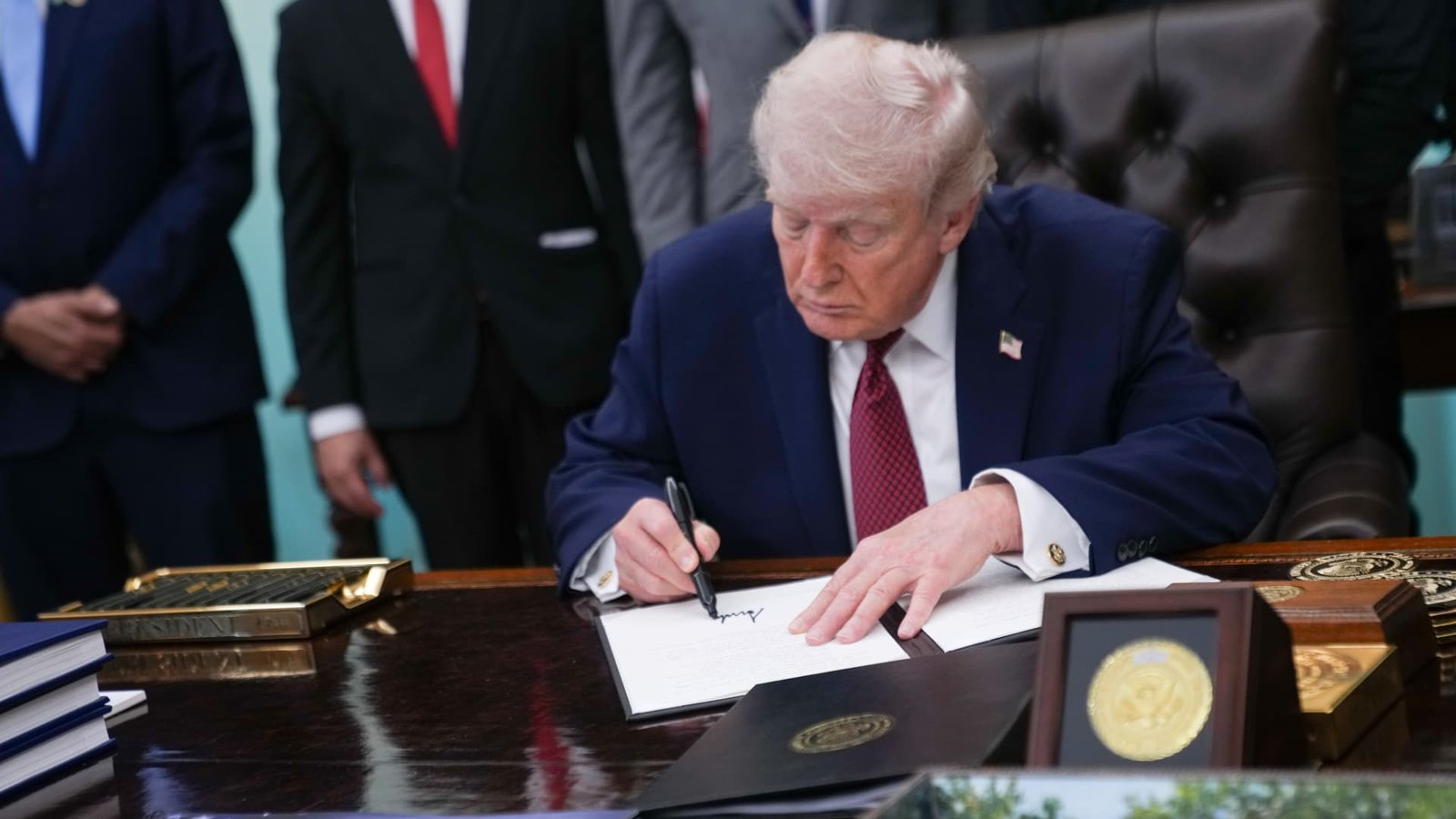
Marie Phelan, a U.S. Army Reserve veteran, discovered the psychoactive drug MDMA, also known as ecstasy, while seeking alternative treatments for post-traumatic stress disorder (PTSD). Phelan described her experience with MDMA-assisted therapy as transformative, allowing her to unpack emotional burdens. She is one among a growing number of veterans exploring psychedelic-assisted therapy as a remedy for trauma, especially following a recent executive order by President Donald Trump aimed at speeding up research into psychedelic drugs for mental health issues.
The order includes priority review for companies developing MDMA-like therapies, such as Compass Pathways and Usona Institute, indicating a shift in governmental approach from prior years when the administration was more restrictive on controlled substances. This development has attracted investors, leading to significant stock rallies in psychedelic drug development firms. However, the safety and efficacy of such therapies are still subjects of debate within the scientific community.
While clinical trials have shown promising results — with around 71% of participants no longer meeting PTSD criteria after MDMA sessions — regulatory challenges persist. The FDA previously denied an application for MDMA therapy due to concerns over study design. Meanwhile, other countries have begun to loosen restrictions on psychedelic drugs for mental health treatment. However, experts caution that the differing safety profiles of various psychedelic compounds necessitate careful evaluation to ensure public safety.
Phelan and advocates for veteran health argue for broader access to these treatment options, while critics suggest the administration’s timing might reflect political motivations ahead of midterm elections. Nevertheless, the ongoing conversation about psychedelic therapy underscores the complexities and potential of these emerging treatments.
Why this story matters
- Highlights the evolving landscape of mental health treatment for veterans using psychedelic therapy.
Key takeaway
- Significant government support for psychedelic research may lead to widespread acceptance and availability of these therapies.
Opposing viewpoint
- Critics express concerns about the motivations behind the executive order and the potential for compromised regulatory standards.