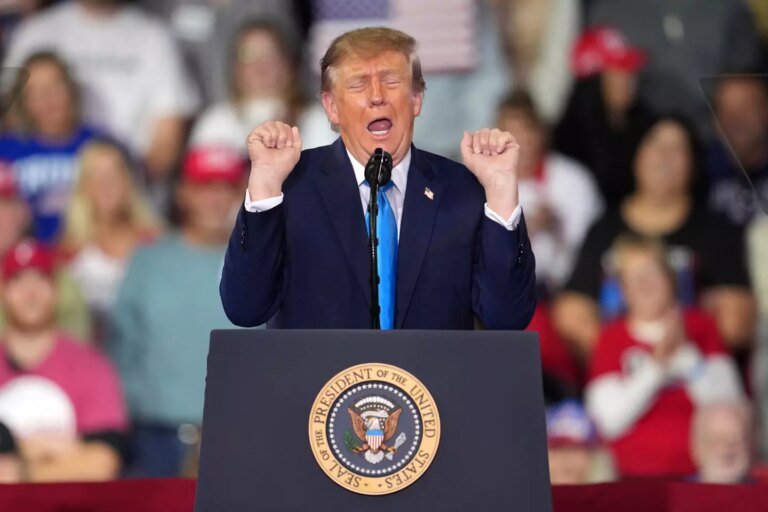



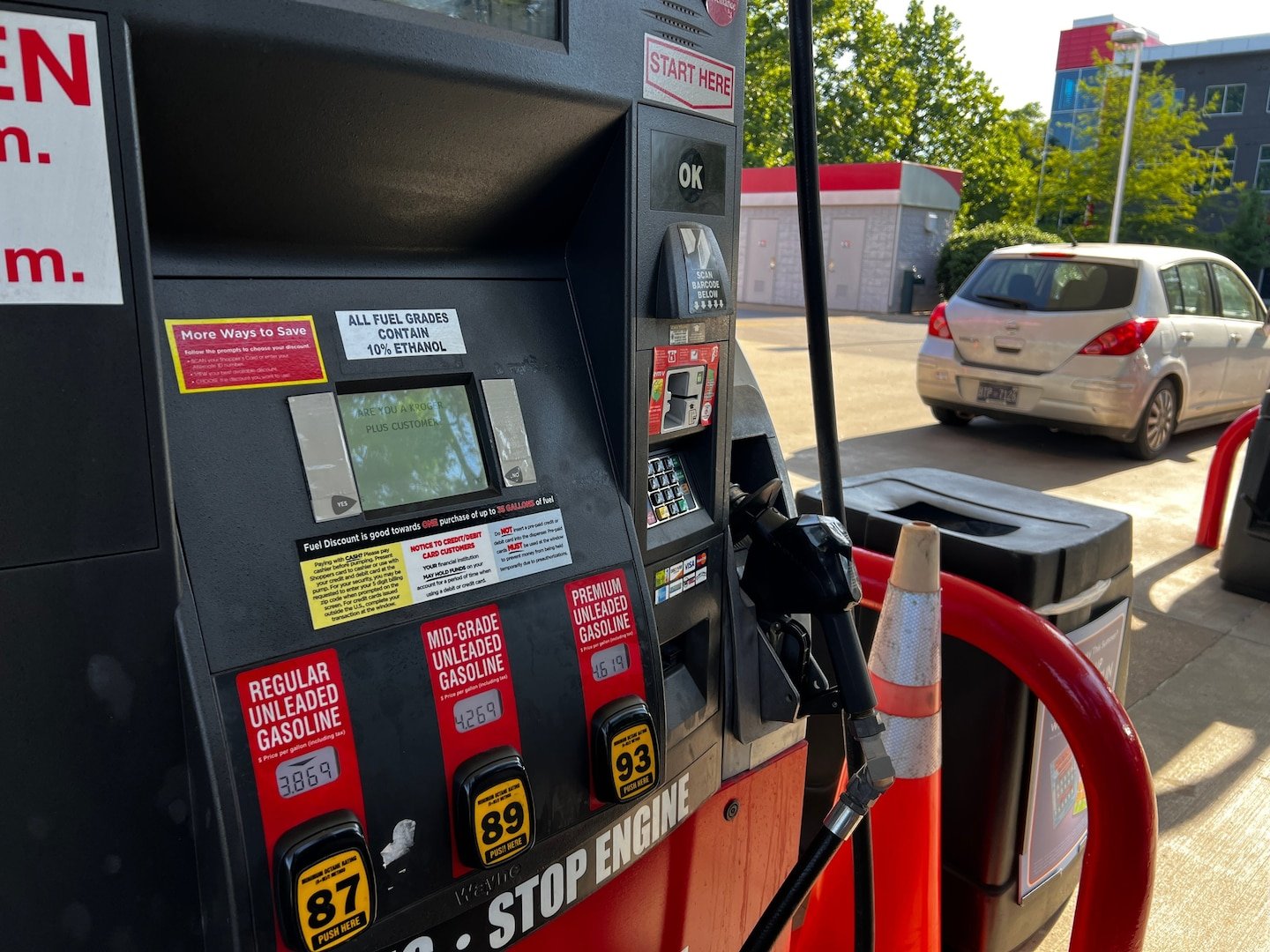
President Donald Trump criticized Chevron CEO Mike Wirth on social media, claiming that the executive’s lack of gratitude was unjustified, especially in light of the company’s recent financial successes. This criticism follows Chevron’s announcement of one of its most profitable quarters in recent years, coinciding with ongoing public frustration over rising gas prices, which currently average over $4 per gallon for regular fuel.
Trump’s comments reflect increasing political pressure on oil companies to address the burden of high gas prices on consumers. The former president urged Wirth to lower prices, emphasizing the need for corporations to acknowledge the contributions of the administration that he believes have supported industry growth.
As energy costs continue to rise, both consumers and political figures are voicing their concerns. The situation illustrates the complex relationship between corporate profitability and consumer affordability within the energy sector, especially amid fluctuating market conditions and geopolitical factors affecting fuel supply.
Bold Points:
- Why this story matters: The ongoing discourse around gas prices has significant implications for consumer finances and economic stability.
- Key takeaway: Political figures are increasingly pressuring oil executives to take responsibility for rising fuel costs.
- Opposing viewpoint: Some may argue that market dynamics are responsible for price increases, rather than corporate decisions or political actions.