



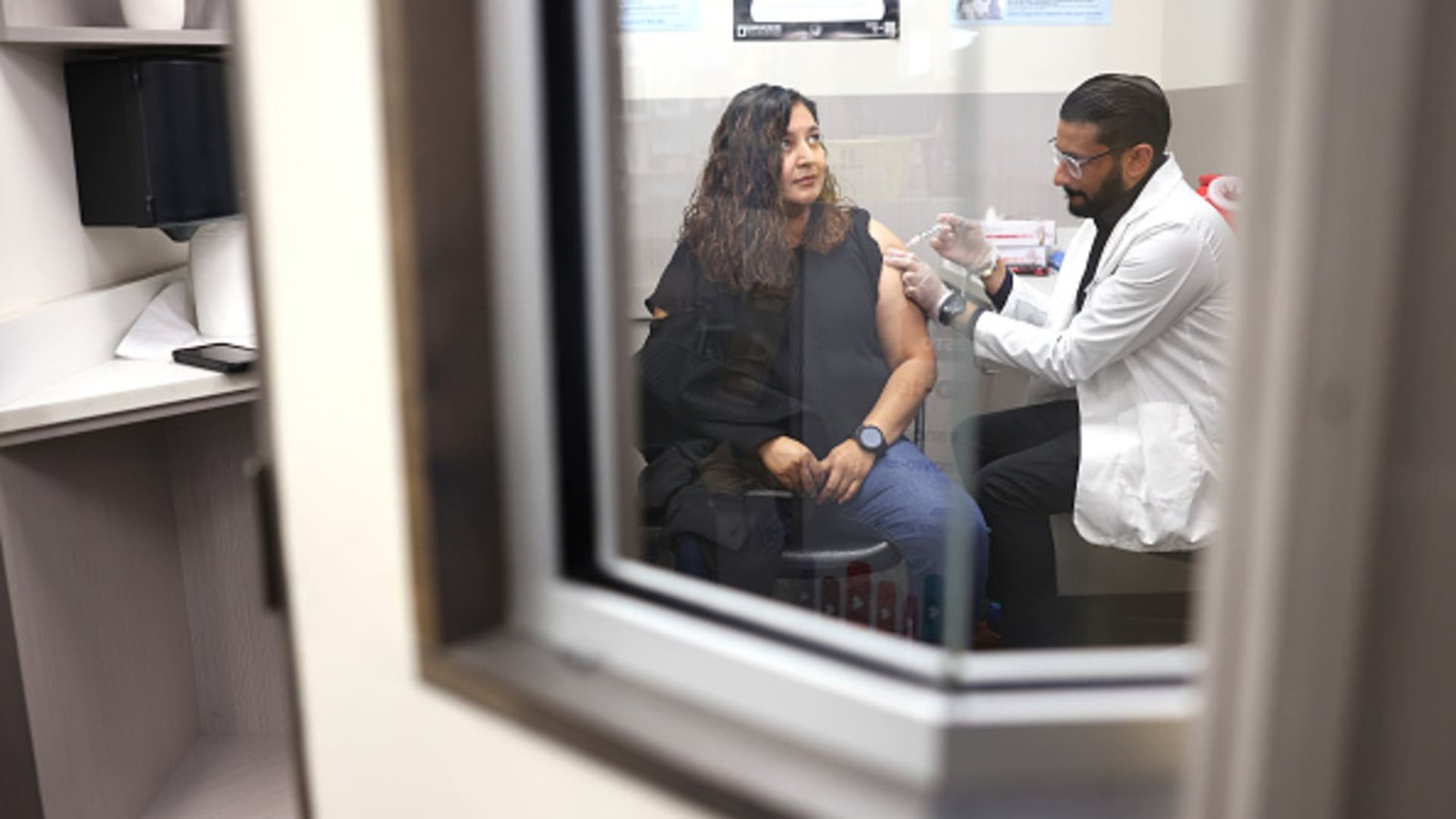
A rise in measles cases and increasing exemptions from childhood vaccinations have sparked concerns about vaccine hesitancy in the United States. However, recent findings suggest that the situation is more nuanced than outright anti-vaccine sentiment. A survey by the Kaiser Family Foundation indicates that while a small percentage of Americans firmly believe in common vaccine myths, a significant number remain in a state of confusion, neither fully supporting nor opposing vaccines.
Drew Altman, CEO of the Kaiser Family Foundation, emphasized that confusion is widespread, with many individuals unsure of whom or what to believe about vaccine safety and efficacy. This uncertainty poses a challenge for public health, particularly as vaccination rates for certain diseases decline. Recent measles outbreaks in the U.S. underscore this risk, with 2,777 confirmed cases this year marking a 35-year high. The Centers for Disease Control and Prevention reported that over 93% of those infected were unvaccinated or had uncertain vaccination status.
Experts also highlighted the influence of misinformation propagated through social media and political figures, which contributes to public hesitance. Notably, some individuals express skepticism stemming from family beliefs or distrust in governmental and healthcare systems.
Despite the complexities surrounding vaccine hesitancy, experts maintain that people with questions can be reached through clear, evidence-based communication. Engaging in open dialogues that address fears and concerns can help mitigate misinformation and increase vaccine confidence.
Key Points:
- Why this story matters: The rise in measles cases highlights a pressing public health concern related to vaccination rates.
- Key takeaway: A significant portion of the population is uncertain about vaccines, requiring clear communication from healthcare providers.
- Opposing viewpoint: Some political leaders and public figures have contributed to vaccine skepticism, complicating the efforts of health authorities.