


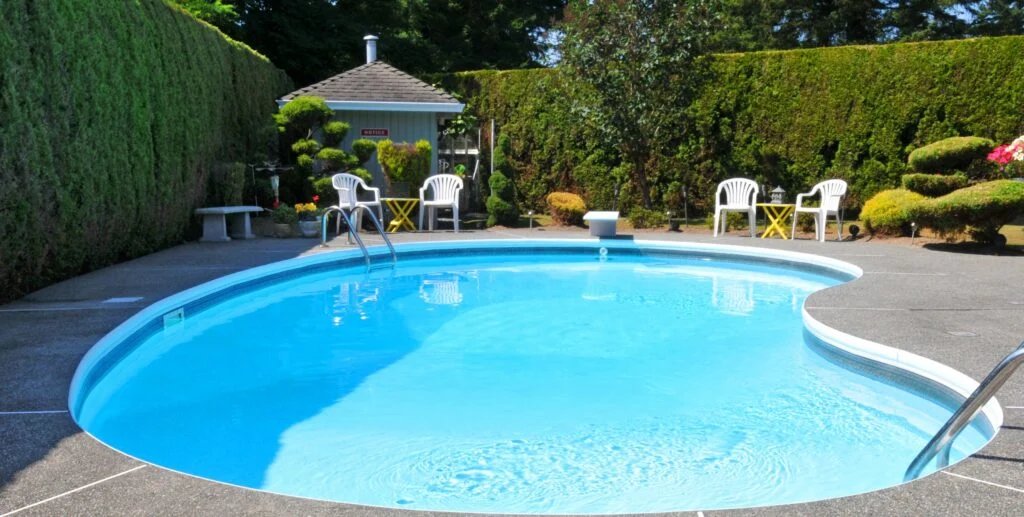
Summer represents a prime opportunity for short-term rental (STR) owners, with increased occupancy rates and bookings. However, properties featuring water amenities, such as pools and hot tubs, may also encounter significant legal liabilities.
The Centers for Disease Control and Prevention (CDC) highlights the gravity of drowning incidents, reporting over 4,000 fatal unintentional drownings annually in the United States, most occurring in residential settings. This statistic is particularly alarming for renters, as 81% of fatal child drownings in pools and spas occur in private homes. The peak occurrence of these incidents aligns with the summer months, coinciding with the busiest season for STR bookings.
Hot tubs, often perceived as less risky due to their size, also present considerable dangers. Data indicates that approximately 300 individuals die from hot tub-related accidents each year, with children under five disproportionately affected. Risks include slips, falls, and entrapment, which can lead to severe legal consequences.
Facing potential claims can be daunting for STR owners. Wrongful death settlements in related cases may reach high six to seven figures, underscoring the importance of proper insurance. Many STR hosts mistakenly believe their standard homeowner’s insurance covers rental activities, but these policies often exclude coverage for pools and hot tubs, leaving owners vulnerable to denied claims.
To mitigate these risks, STR owners are encouraged to invest in dedicated insurance designed for rental properties. Such policies offer higher liability limits and extensive coverage for guest injuries. Prior to summer bookings, operators should ensure the safety of their amenities by checking pool fencing, drain covers, slip-resistant surfaces, and the availability of lifesaving equipment.
Why this story matters: The intersection of increased summer bookings and heightened risk for injuries in STRs requires vigilant safety practices.
Key takeaway: Proper insurance and safety measures can protect STR owners from significant legal and financial liabilities related to water amenities.
Opposing viewpoint: Some STR owners may argue that risks are manageable and insurance costs could outweigh potential incidents.