


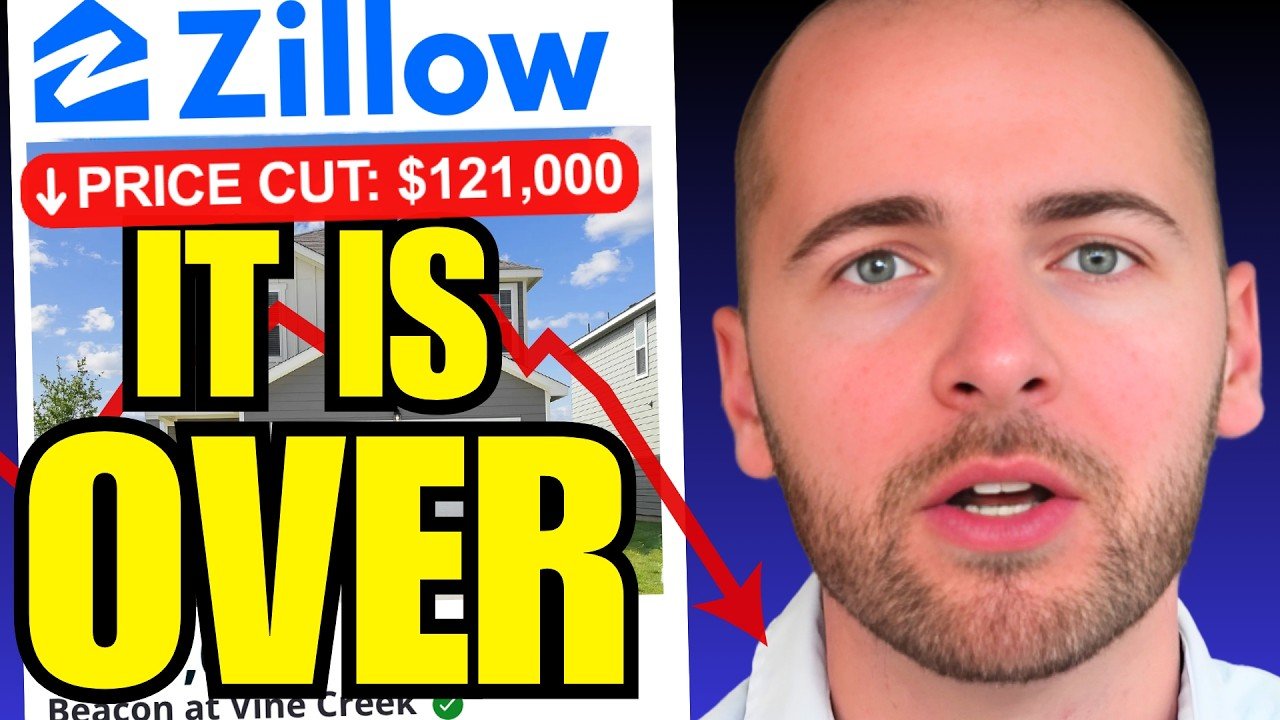
Zillow has raised concerns regarding the high levels of Treasury yields, with the 30-year Treasury reaching its peak in nearly two decades. Elevated Treasury yields are contributing to upward pressure on mortgage rates, which come at a time when the U.S. housing market is already experiencing low buyer demand, increased inventory, declining listing prices, and one of the weakest sales rates in recent history.
However, the core issue may extend beyond mortgage rates themselves. The affordability of homes remains a significant barrier for potential buyers, as home prices are historically high relative to household incomes. Currently, the national home value-to-income ratio stands at about 4.3, in contrast to a long-term average of roughly 3.5. This disparity in affordability is likely to keep prospective buyers at bay, regardless of any potential easing in mortgage rates.
Moreover, recent analysis highlights drastic price reductions in markets like Nashville and Raleigh, as well as a growing inventory surplus in states including Tennessee, Colorado, and Arizona. Sellers with 3% mortgage rates are often hesitant to sell due to the stark difference in monthly payments compared to potential new buyers facing rates above 6%. For instance, a homeowner in Tennessee currently pays approximately $2,900 per month, while a new buyer would face a payment nearing $4,300, contributing to a stalemate in the housing market.
Why this story matters
- The housing market’s current dynamics could have lasting effects on economic recovery and growth.
Key takeaway
- An affordability gap persists, which could hinder home sales despite changes in mortgage rates.
Opposing viewpoint
- Some argue that as rates stabilize, demand may eventually rebound regardless of current affordability issues.