



Candice Choi’s seaweed snack brand, Geem, launched in 2023 with a focus on direct-to-consumer sales through TikTok. However, within three months, the snacks gained traction in grocery stores, including select Whole Foods locations, prompting immediate expansion across Southern California, Nevada, Arizona, and Hawaii by July. Choi noted that the rapid success was partly due to a shift in buyer perceptions, recognizing the increasing demand for global flavors, particularly Asian snacks.
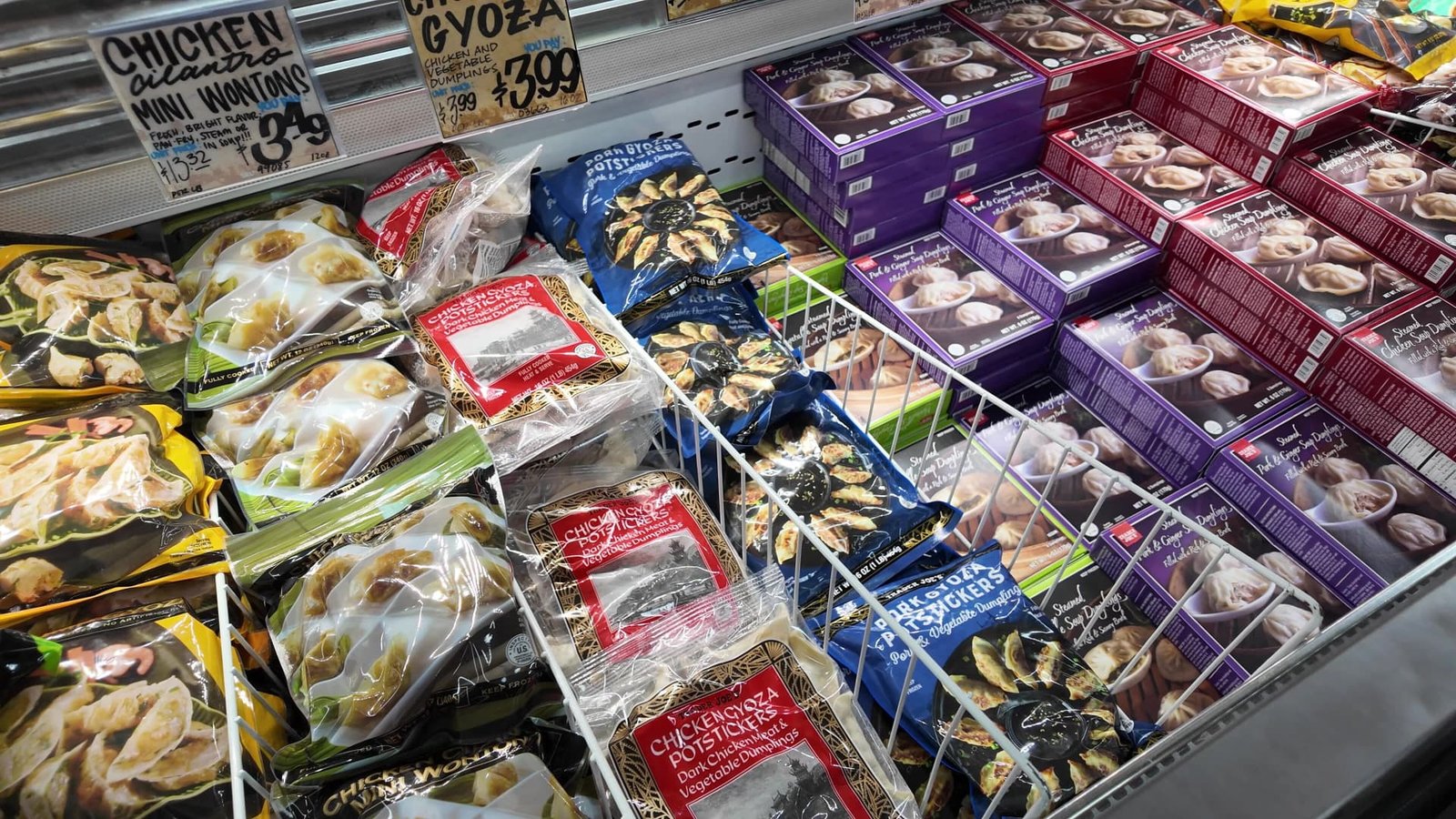
Geem’s growth reflects a broader trend as Asian grocery products gain visibility in mainstream markets, moving beyond the traditional "ethnic aisle." The growth aligns with rising consumer interest in diverse flavors and reflects a changing demographic landscape; the Asian population in the U.S. has more than doubled since 2000, reaching 7% of the total population. Market projections estimate that the U.S. Asian food market will reach $51.3 billion by 2031, indicating significant demand expansion.
Analysts observe that grocery stores are now emphasizing a fusion of flavors from different cultures, catering to both Asian and non-Asian consumers seeking global cuisine. This trend is also echoed in the restaurant sector, where consumers are eager to explore new culinary experiences, particularly as dining out becomes increasingly expensive.
Retail chains such as H Mart and established brands like Deep Brands are leading the charge to make Asian flavors more accessible. Whole Foods has also ramped up its offerings, driven by consumer curiosity and innovation in Asian food categories. Choi emphasized the personal significance of seeing her products in mainstream stores, viewing it as cultural acceptance and recognition of Asian flavors in American cuisine.
Why this story matters
- The growth of Asian flavors in mainstream grocery stores signifies changing consumer preferences and a diversification of American cuisine.
Key takeaway
- Asian products are increasingly integrated into the broader grocery market, reflecting demographic shifts and rising demand for global flavors.
Opposing viewpoint
- Some may argue that the commercialization of Asian snacks could undermine authentic cultural representations and diminish the uniqueness of traditional offerings.