


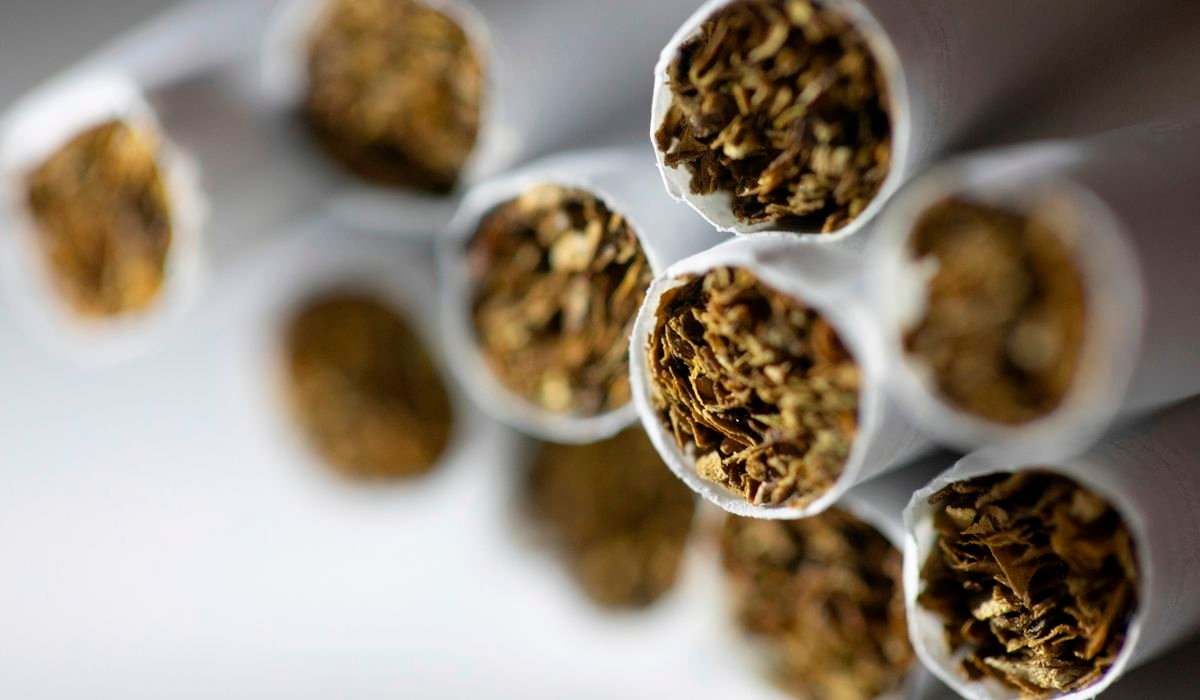
In 2024, the cigarette smoking rate among U.S. adults reached a new low, with just 9% of adults identifying as current smokers, according to data from the Centers for Disease Control and Prevention (CDC). This figure marks a significant decline from the mid-1960s when approximately 42% of adults smoked. The reduction in smoking rates over the decades is attributed to various public health initiatives, including smoking bans, increased taxes on tobacco products, and extensive public education campaigns.
The CDC’s findings are based on survey responses from over 24,200 adults, where respondents were classified as current smokers if they had smoked at least 100 cigarettes in their lifetime and continued to smoke daily or occasionally. Alongside the decline in traditional cigarette smoking, the use of electronic cigarettes has remained relatively steady at around 7% among adults.
Yolonda Richardson, president and CEO of the Campaign for Tobacco-Free Kids, highlighted that this decline represents a significant public health victory, saving millions of lives and billions in healthcare costs. However, she expressed concern over the impact of funding cuts made during the Trump administration, particularly the elimination of the CDC’s Office on Smoking and Health and the “Tips from Former Smokers” advertising campaign. Richardson noted that the latter initiative alone aided over 1 million Americans in quitting smoking, resulting in approximately $7.3 billion in healthcare savings. She called for the restoration and continuation of crucial smoking prevention efforts to further reduce smoking-related health issues and expenses across the nation.
Why this story matters
- The significant decrease in smoking rates reflects ongoing public health efforts to reduce tobacco use.
Key takeaway
- Continuing investments in smoking cessation programs are vital for further health improvements.
Opposing viewpoint
- Some may argue that the focus should also include regulation and education surrounding electronic cigarette usage.