

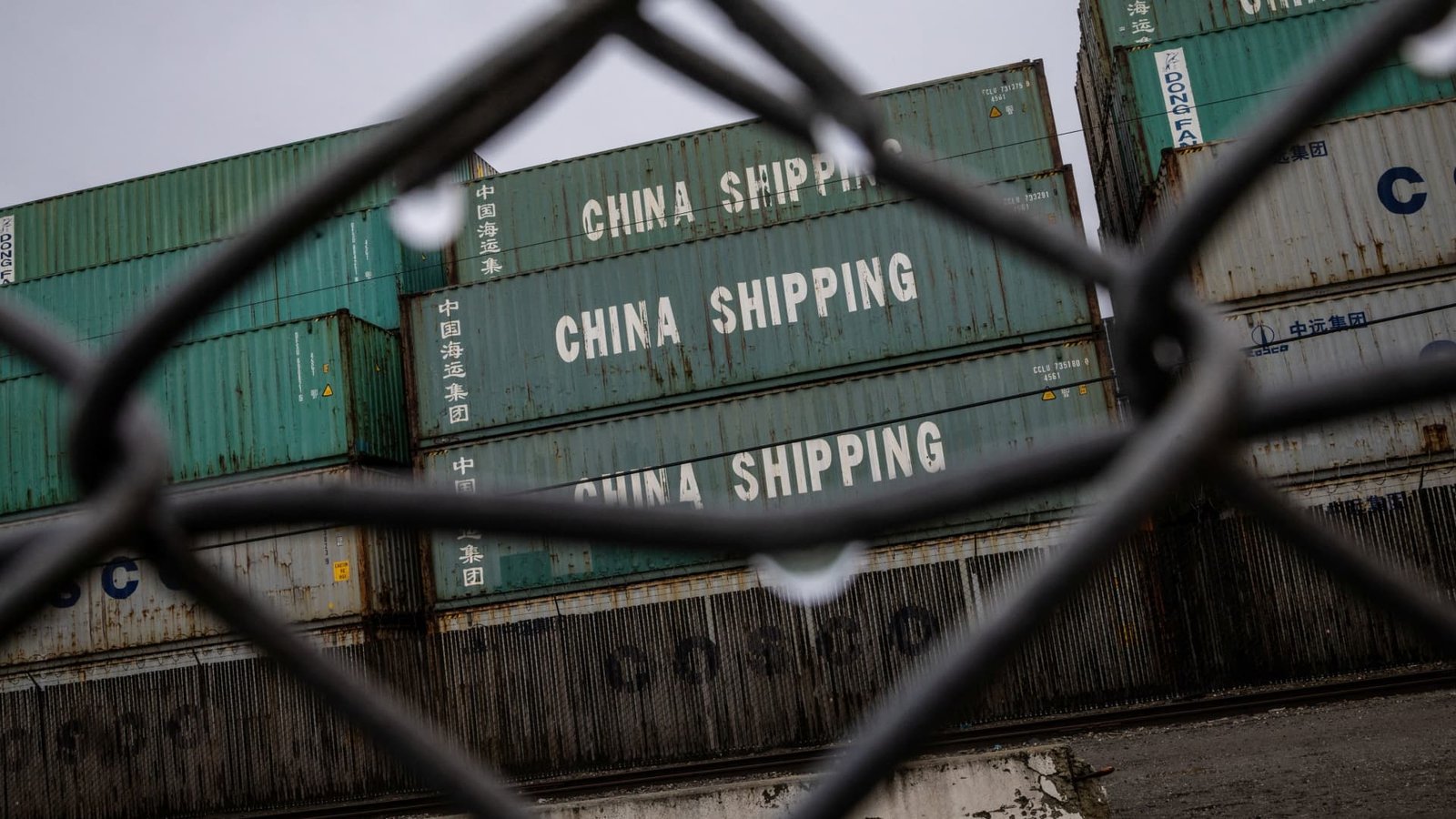
Trade dynamics between the U.S. and China shifted notably in July, as the latest survey from the China Beige Book indicated a decline in U.S.-bound shipments. This marks the first decrease in several months and highlights growing challenges in the Chinese economy. The survey, conducted between July 20 and 28, included responses from 1,436 Chinese businesses.
In March, Chinese exports to the U.S. saw a sharp decline of over 26% year-on-year, aligning with tensions that escalated in April 2025. Despite a brief uptick in June, where shipments to the U.S. increased by 14%, overall exports were also buoyed by businesses preemptively sending goods ahead of anticipated higher tariffs. The surge in exports was the largest in nearly five years, driven partly by rising demand for parts to support the development of AI infrastructure.
However, July’s data reflected a slowdown across various sectors. Manufacturing experienced notable declines in employment, and retail sales dropped compared to both the previous month and the same period last year. Travel and dining services reported a significant downturn as well. In response, Chinese policymakers have reiterated the importance of fostering domestic demand, enhancing international trade cooperation, and achieving technological advancements.
Upcoming trade data for July is set to be released on August 7, with retail sales and investment figures expected on August 17.
Why this story matters
- The decline in shipments indicates shifting trade dynamics that could impact both economies and global markets.
Key takeaway
- The Chinese economy is facing headwinds, with declines in manufacturing and retail sales amid ongoing trade tensions with the U.S.
Opposing viewpoint
- Some analysts argue that despite recent challenges, long-term growth in China’s technological sectors may mitigate short-term export fluctuations.