


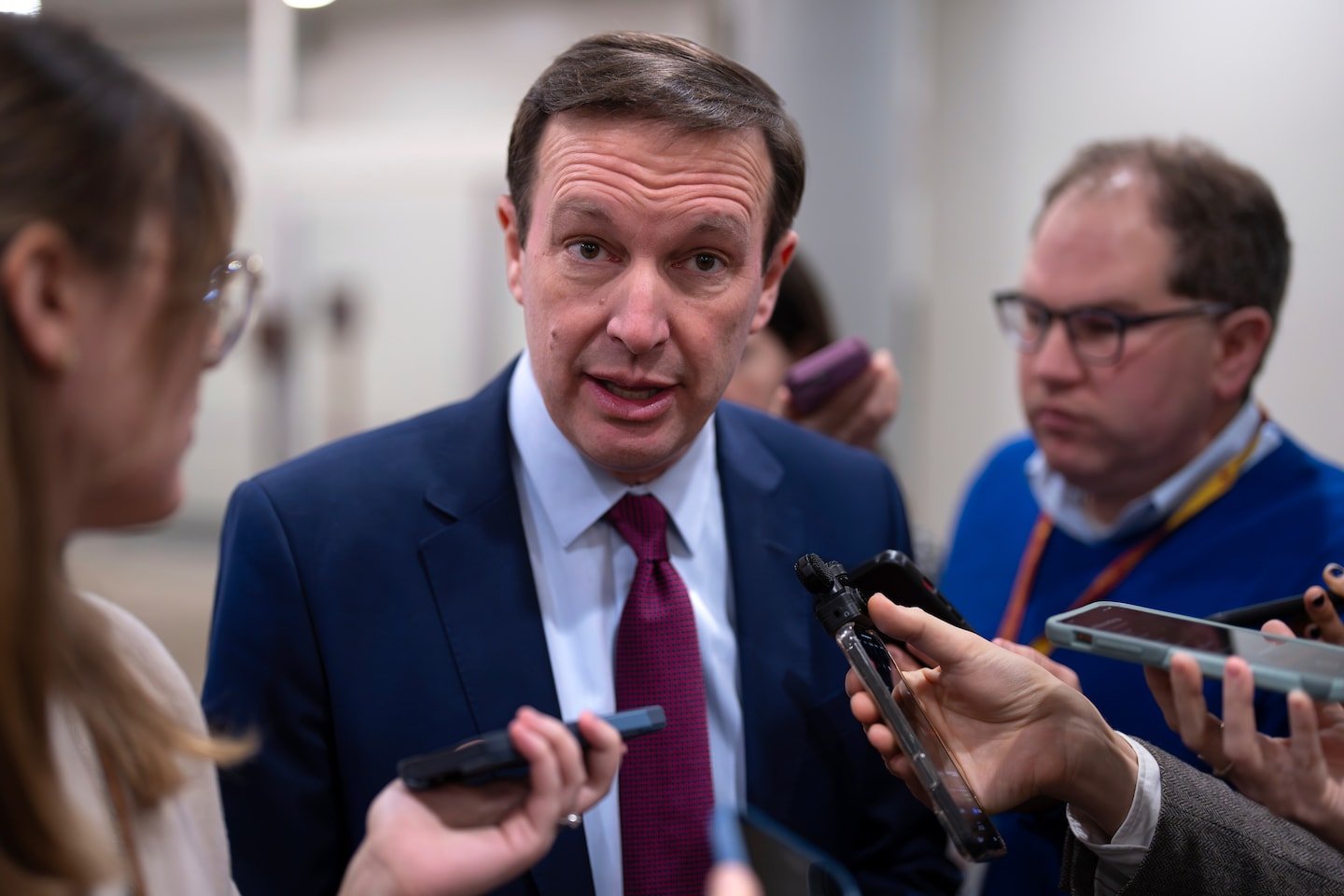
Senator Chris Murphy (D) has introduced a legislative proposal that seeks to significantly increase the minimum wage, positioning it as the most ambitious among current proposals. Murphy believes that this initiative could stimulate voter engagement, drawing attention to economic disparities and the need for improved workers’ rights.
By advocating for a higher minimum wage, the legislation aims to address longstanding concerns about living standards for low-income workers. Murphy’s plan is expected to spark discussions among policymakers and constituents alike, potentially influencing public sentiment ahead of upcoming elections.
The proposal reflects ongoing debates about the economic landscape and the challenges faced by many individuals who struggle to make ends meet. As discussions around wage increases gain momentum, the implications of such legislation could resonate beyond the immediate economic impact, influencing broader social and political dynamics in the country.
Why this story matters
- The potential increase in minimum wage may reshape the economic landscape for low-income workers, paving the way for enhanced living conditions.
Key takeaway
- Senator Murphy’s proposed legislation aims to energize voters while addressing critical economic disparities faced by workers.
Opposing viewpoint
- Critics of minimum wage increases argue that raising wages might lead to job losses or reduced hours as businesses struggle to accommodate higher labor costs.