

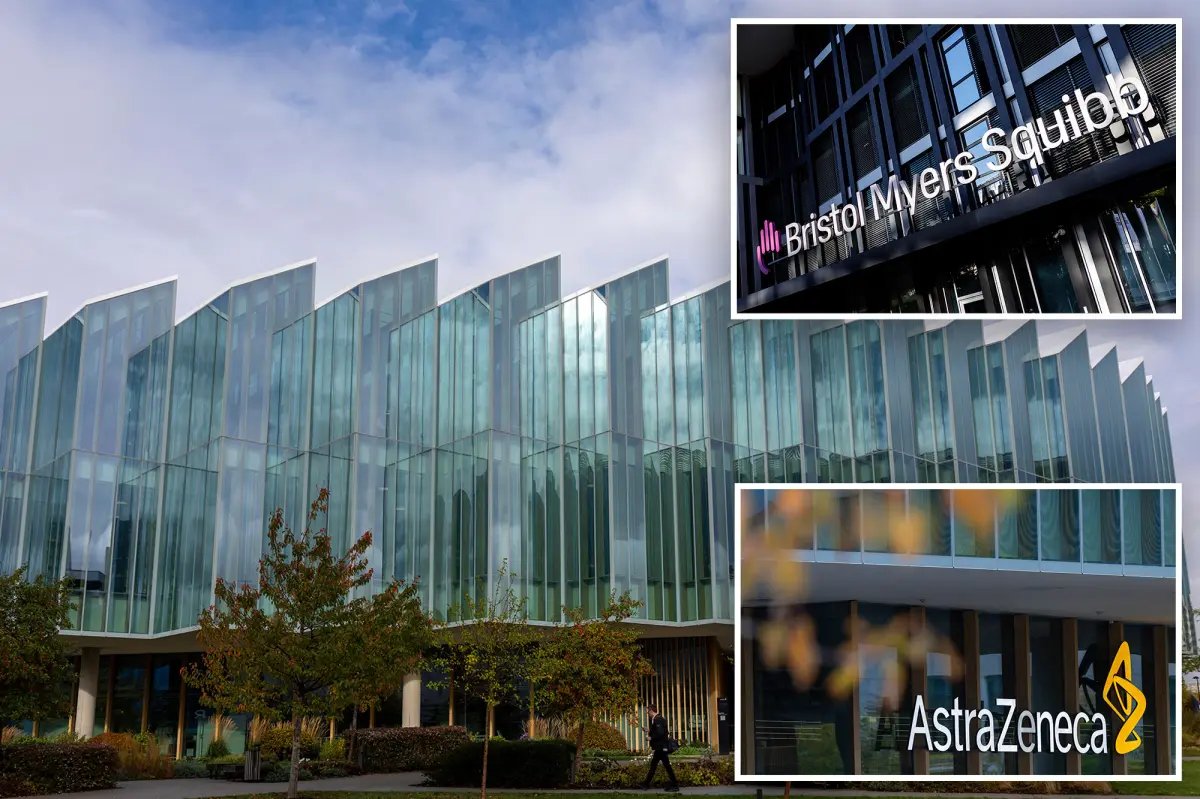
AstraZeneca, a UK-based pharmaceutical company, is reportedly in discussions to merge with its US counterpart, Bristol Myers Squibb, according to a recent Financial Times article citing anonymous sources. This potential deal could result in the formation of one of the largest pharmaceutical entities globally, with a combined market value of nearly $400 billion.
Negotiations have been underway for several months, and while a resolution could be reached in the near term, there exists the possibility that discussions may be stalled or abandoned altogether. Neither company has confirmed the details of these discussions; AstraZeneca has opted not to comment, and Bristol Myers Squibb has not responded outside of regular business hours.
Last year, AstraZeneca had announced plans for a direct listing in the US, aiming to leverage more favorable market valuations while maintaining its presence in London. Under CEO Pascal Soriot, AstraZeneca has seen its share price grow more than fourfold during his 14-year tenure, significantly outperforming the FTSE 100 index and its primary British competitor, GlaxoSmithKline.
Recent second-quarter financial results indicate robust demand for AstraZeneca’s cancer and rare disease medications, which are projected to generate about $25 billion in sales by 2025, constituting nearly half of the total revenue from the company’s extensive pharmaceutical portfolio.
This potential merger follows an earlier period when AstraZeneca resisted a takeover bid from Pfizer, a larger US rival, nearly a decade ago.
Why this story matters
- The proposed merger could reshape the pharmaceutical landscape, creating a powerhouse in drug development and distribution.
Key takeaway
- AstraZeneca’s transformative growth under its current leadership has positioned it as a strong player for a significant alliance.
Opposing viewpoint
- Concerns may arise regarding potential regulatory hurdles and the implications of a merger on innovation and competition within the pharmaceutical industry.