

OMAHA, Neb. — Berkshire Hathaway, led by new CEO Greg Abel, has recently made significant investments from its substantial cash reserves, including a $10 billion stake in Alphabet, Google’s parent company, alongside a share repurchase of approximately $4.5 billion.
In its most recent earnings report, the company disclosed a reduction in cash holdings to $365.5 billion, down from nearly $400 billion at the end of March. The report indicated that Berkshire added over $21 billion in commercial and industrial stocks, although specific names will be identified in a filing later this month.
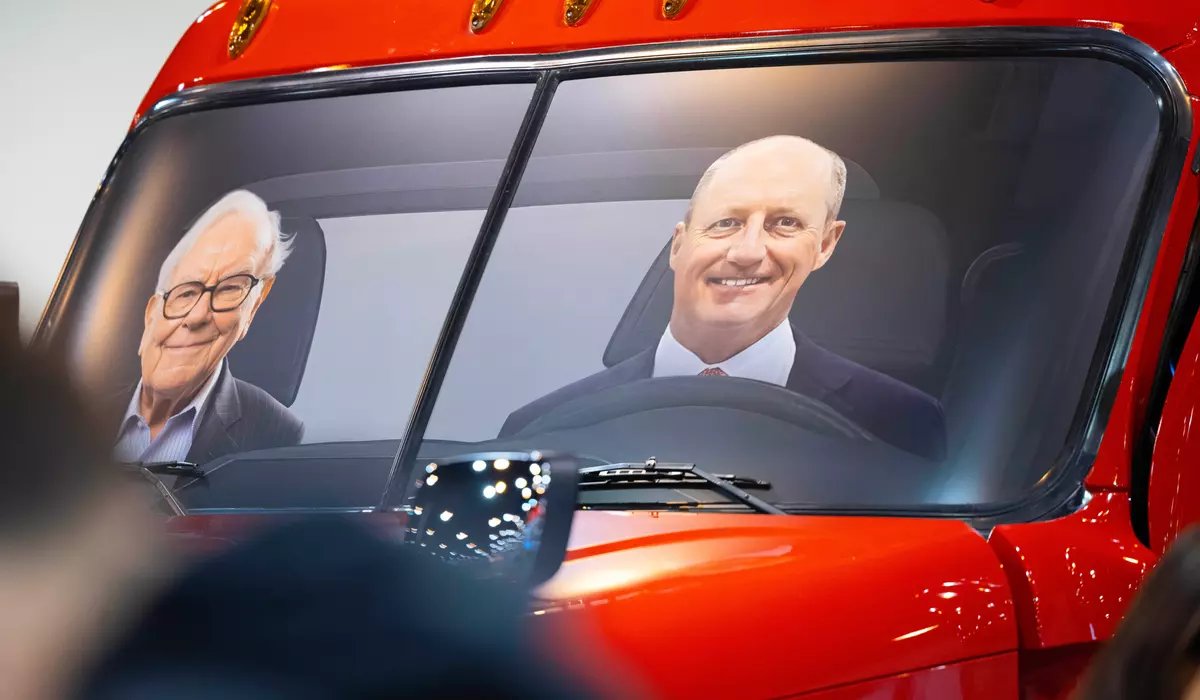
Abel, who succeeded Warren Buffett in January, has not deviated from the company’s long-term strategies, with Buffett remaining as chairman. Analyst Cathy Seifert from CFRA Research highlighted the significance of the share buyback, noting it was the largest in recent years. However, she also expressed concern over Geico’s performance, which saw a 45% decline in underwriting profits compared to other auto insurers.
Investors had anticipated more robust buyback activity, with initial expectations ranging from $5 billion to $11 billion. The company’s philosophy prioritizes repurchasing shares only when deemed undervalued. Most repurchases occurred in June, coinciding with a notable increase in share value.
Berkshire’s reported profit for the second quarter surged to $25.67 billion, translating to $17,868.44 per Class A share, largely due to a recovery in investment values following a previous substantial writedown. Operating profit, which provides a clearer picture of the company’s performance, rose modestly to $12.98 billion, or $9,038.30 per share.
Berkshire’s diverse portfolio includes significant stakes in insurance, utilities, railroads, and manufacturing sectors.
Why this story matters: Berkshire’s investment strategies and financial performance can influence market trends.
Key takeaway: Berkshire’s aggressive buybacks and significant investments signal confidence in future growth despite mixed performance in specific segments.
Opposing viewpoint: Some analysts express concern over the performance of major subsidiaries, particularly in the competitive auto insurance market.