

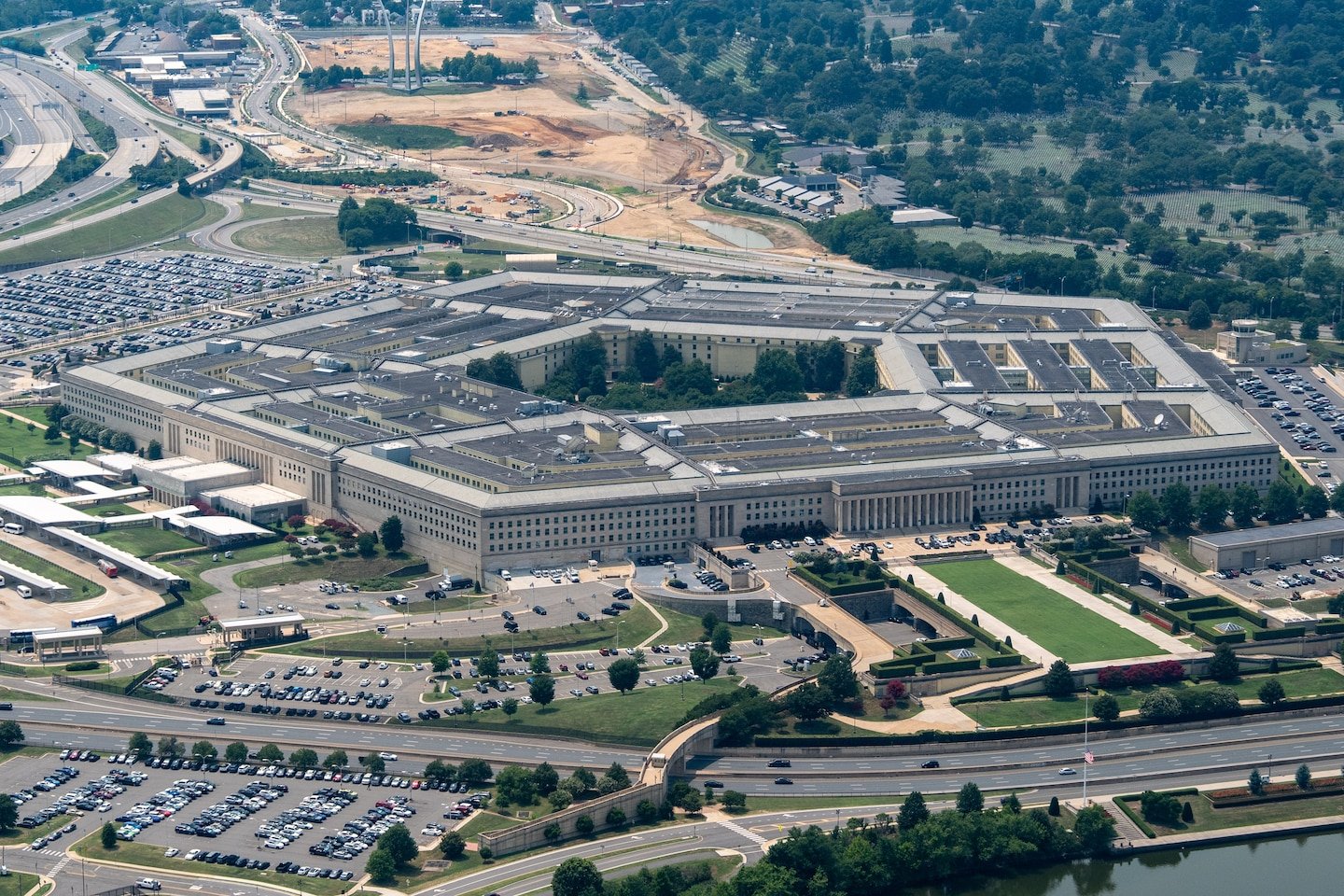
The Pentagon has dismissed both the publisher and the editor in chief of Stars and Stripes, the military newspaper that has traditionally operated with a degree of editorial independence funded by the Department of Defense. The changes were confirmed by the publication’s departing editor in chief on Friday.
This decision comes amidst ongoing discussions regarding the newspaper’s funding and future, raising concerns about the potential impact on its editorial freedom. Stars and Stripes has served as a vital source of news for military personnel and their families, covering important issues affecting the armed forces and military life. The departures of these key leadership figures signal a potential shift in the publication’s direction amid scrutiny from governmental entities.
Historically, Stars and Stripes has maintained a unique position within the military framework, allowing it to report on matters without direct interference from military leadership. The recent moves underline tensions between the publication’s independence and the interests of its funding body.
As changes unfold, the future editorial direction of Stars and Stripes and its ability to operate independently remains uncertain.
Why this story matters
- The dismissal of key leadership at Stars and Stripes could influence the newspaper’s editorial autonomy and coverage of military-related issues.
Key takeaway
- The Pentagon’s actions suggest a possible shift in the relationship between military news outlets and government oversight.
Opposing viewpoint
- Critics may argue that the changes could threaten the independence of military journalism, while supporters might see it as a necessary adjustment for accountability.