

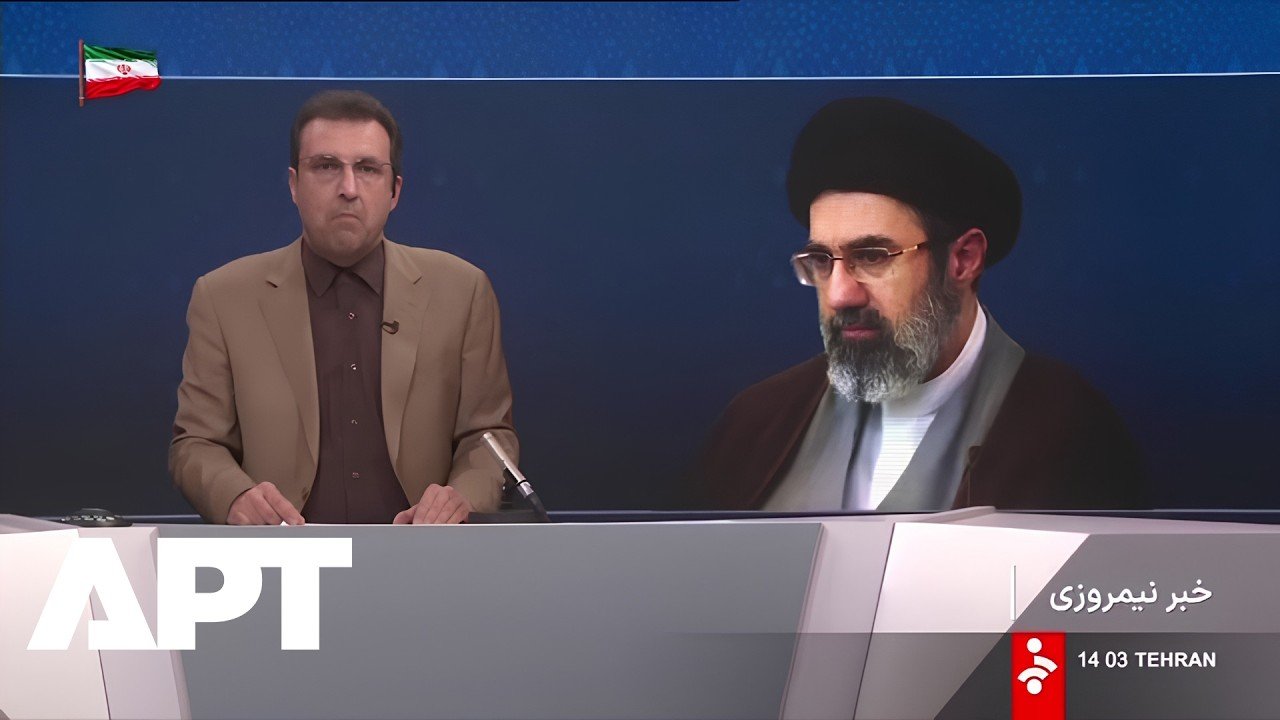
Mojtaba Khamenei convened a meeting with senior military commanders, emphasizing the necessity for an immediate and powerful response to any threats against Iran, with no geographical constraints. He asserted that the country would determine the appropriate timing and conditions to terminate any new conflict, should enemies escalate their military or terrorist actions. Khamenei instructed commanders to revise their target lists to include all U.S. and Israeli assets.
This escalatory rhetoric follows recent statements from the Islamic Revolutionary Guard Corps (IRGC), which reported incidents involving four tankers, one of which was carrying over 2 million barrels of crude oil, that reportedly struck mines and caught fire in the Strait of Hormuz after deviating from authorized routes. The current tensions trace back to events that began on February 28, when U.S. and Israeli airstrikes resulted in the death of Ali Khamenei, the father of Mojtaba Khamenei. In retaliation, Iran has imposed restrictions in the strategically significant strait.
- Why this story matters: The escalating military rhetoric highlights ongoing tensions in the Middle East and the potential for further conflict involving Iran’s regional adversaries.
- Key takeaway: Iran is prepared to respond decisively to perceived threats and has broadened its target scope to include U.S. and Israeli interests.
- Opposing viewpoint: Some analysts argue that such aggressive posturing may lead to miscalculations, increasing the risk of unintended military escalation.