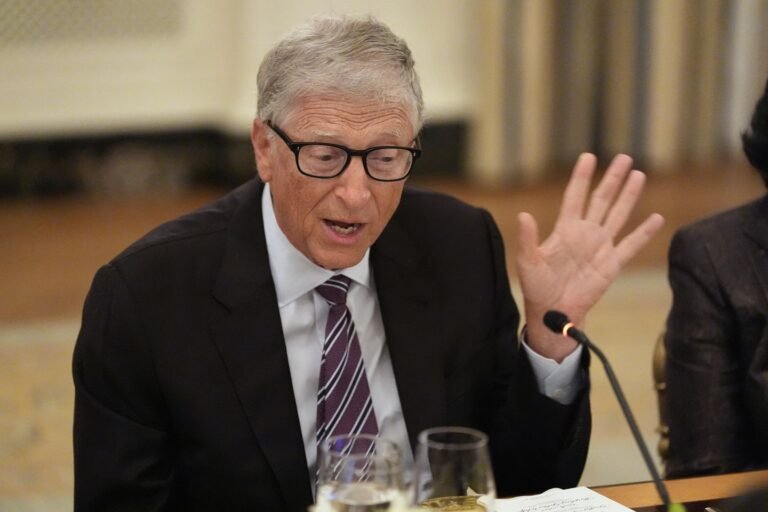


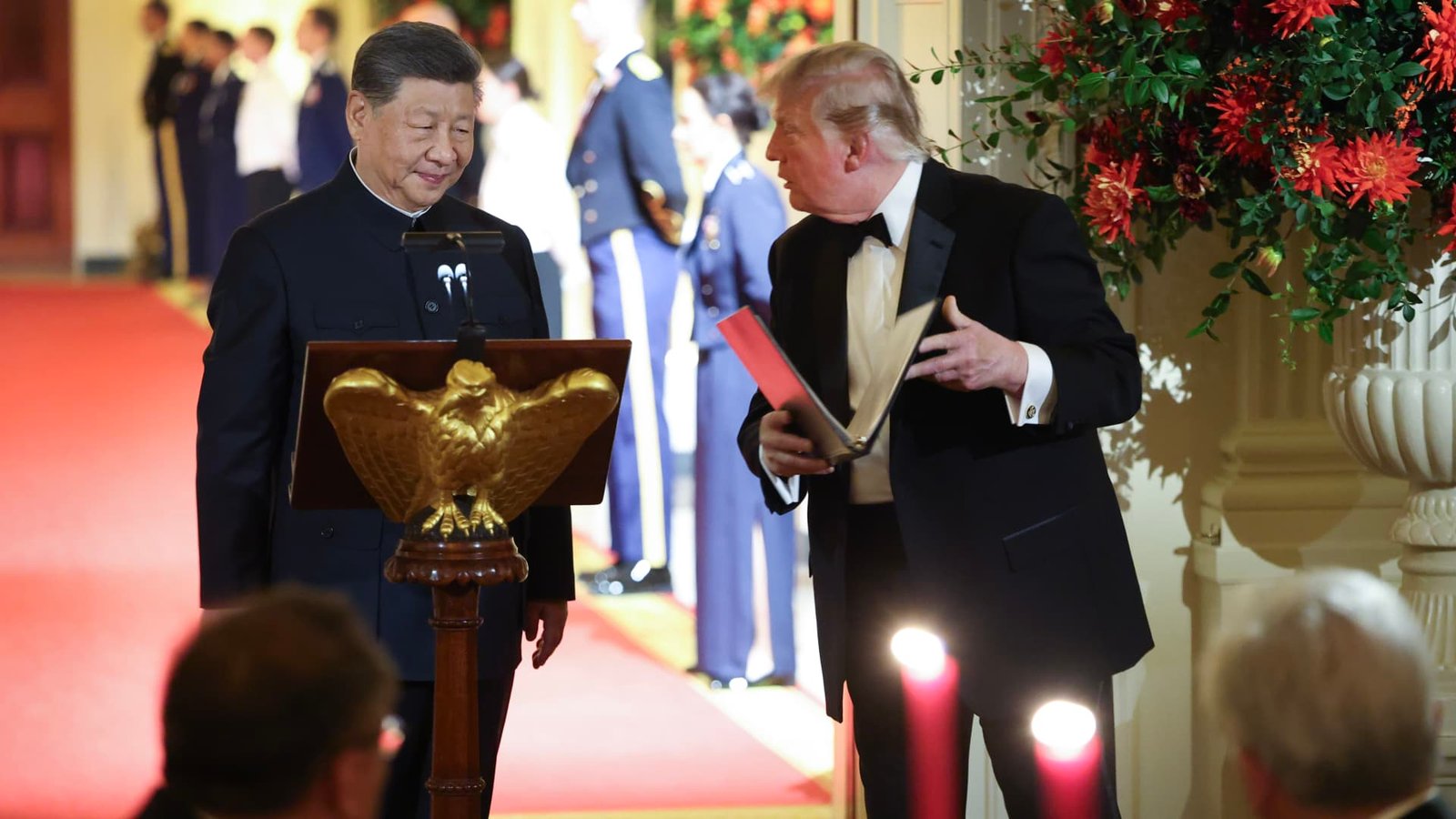
U.S. President Donald Trump hosted Chinese President Xi Jinping in Washington, D.C., for a summit marked by formality but lacking significant breakthroughs. This visit, Xi’s second state trip since 2015, included a ceremonial airport welcome from Trump and a state dinner attended by over 100 U.S. officials and business leaders. Despite the high-profile nature of the meeting, both nations issued separate statements, indicating an ongoing struggle for dominance in their bilateral relations.
Concerns were raised by experts regarding the sustainability of the current diplomatic approach, which some characterized as precarious without substantial outcomes. Key areas of agreement included both leaders committing to attend upcoming international summits, such as the APEC meeting in Shenzhen and the G20 summit in Miami. They also announced plans for a dialogue on artificial intelligence and established a communication channel for AI-related incidents. However, discrepancies in terminology used by each side highlighted the existing rifts—while the U.S. referred to "Super Intelligence," China maintained the term "AI."
During his toast, Xi emphasized the historical cooperation between the two nations during World War II, linking it back to contemporary issues, particularly regarding Japan and concerns over Taiwan’s independence. Analysts remarked on the shared interest in controlling nuclear proliferation in Iran and in easing trade tensions by formalizing plans for a Board of Trade and Board of Investment.
Looking ahead, the implementation and timing of the agreed measures will be closely monitored by the business community, as the lack of concrete progress on outstanding issues, particularly Taiwan, remains a point of tension.
Why this story matters
- Highlights the current state of U.S.-China relations amidst economic and geopolitical challenges.
Key takeaway
- The summit underscored both cooperation opportunities and lingering disagreements, particularly relating to terminology and strategic concerns.
Opposing viewpoint
- Some analysts believe that without tangible outcomes, the fragile diplomatic approach may lead to further tensions between the two nations.