



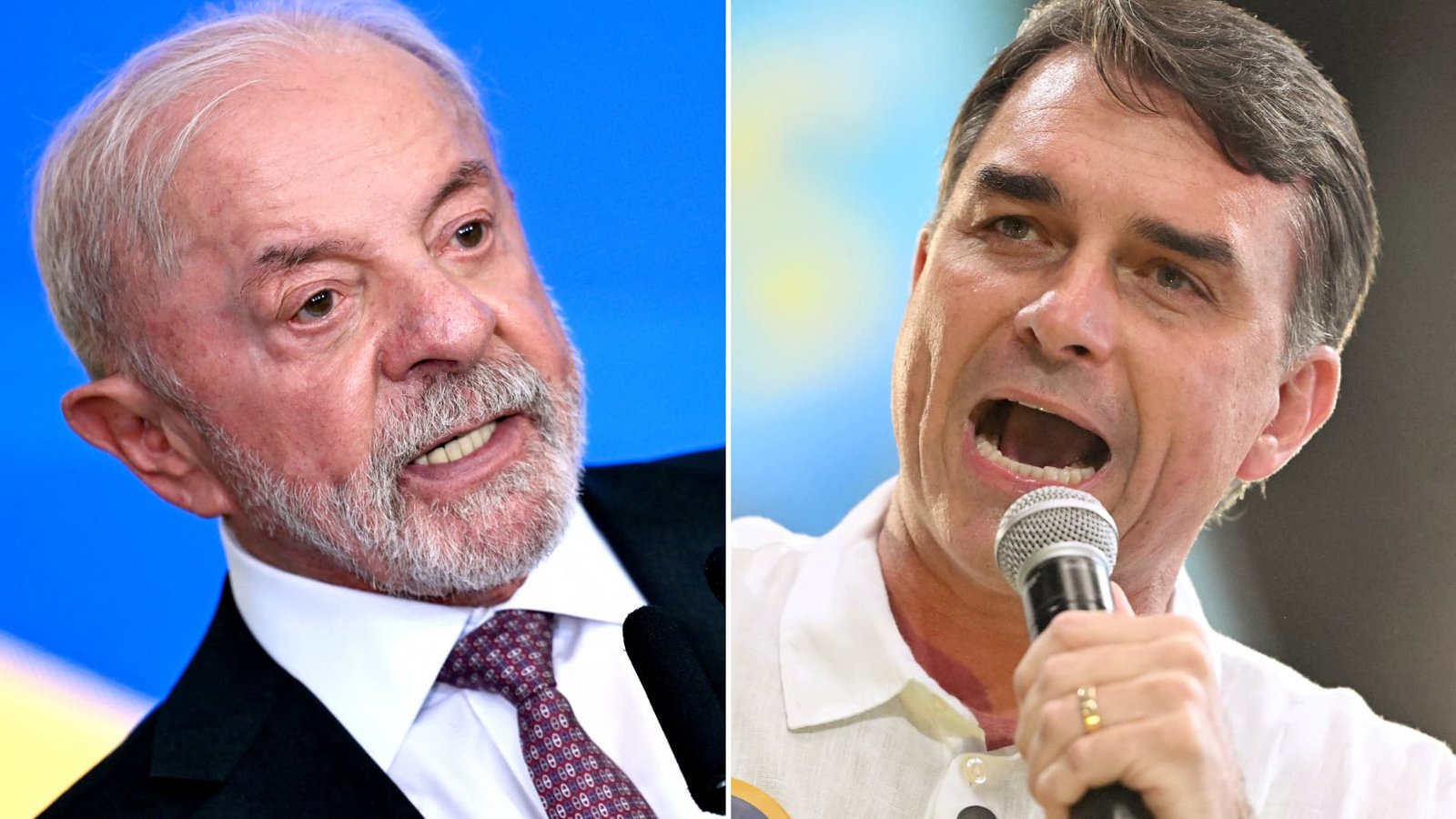
With the first round of Brazil’s presidential election approaching on Sunday, financial markets are closely monitoring the potential outcomes of the competitive race between incumbent leftist President Luiz Inácio Lula da Silva and right-wing candidate Flávio Bolsonaro. Lula, who is 80, is campaigning for a fourth term against Bolsonaro, the 45-year-old son of former President Jair Bolsonaro. If no candidate secures 50% of the vote, a runoff will occur on October 25.
Wall Street anticipates divergent market reactions depending on the election’s result. Analysts suggest that a Bolsonaro victory could lead to increased investor confidence, driving up the country’s bonds, currency, and stock prices. Recent trends indicate a rally in Brazilian stocks coinciding with rising poll numbers for Bolsonaro. Prediction markets show him favored to win with a 60% likelihood compared to Lula’s 39%, although such markets may not accurately reflect local sentiment.
The markets favor Bolsonaro due to his commitment to fiscal discipline, as Brazil grapples with mounting public debt, which currently stands at 81.9% of GDP. Economists stress that significant fiscal reforms are necessary, which could involve cuts in spending or tax increases—both challenging given that 90% of Brazil’s budget is mandated by law. Historical comparisons to reforms initiated under his father suggest that Bolsonaro could potentially facilitate significant economic improvements.
In contrast to a potential Lula victory, which could lead to a weaker currency, analysts predict that reforms under Bolsonaro could create favorable conditions for growth through a strong reform agenda.
Bold Points:
- Why this story matters: The election’s outcome will significantly influence Brazil’s economic direction and investor sentiment.
- Key takeaway: Bolsonaro’s policies are seen as more favorable for economic reform, which could enhance market conditions.
- Opposing viewpoint: Lula’s proponents argue for social stability and equity measures over strict fiscal discipline.