


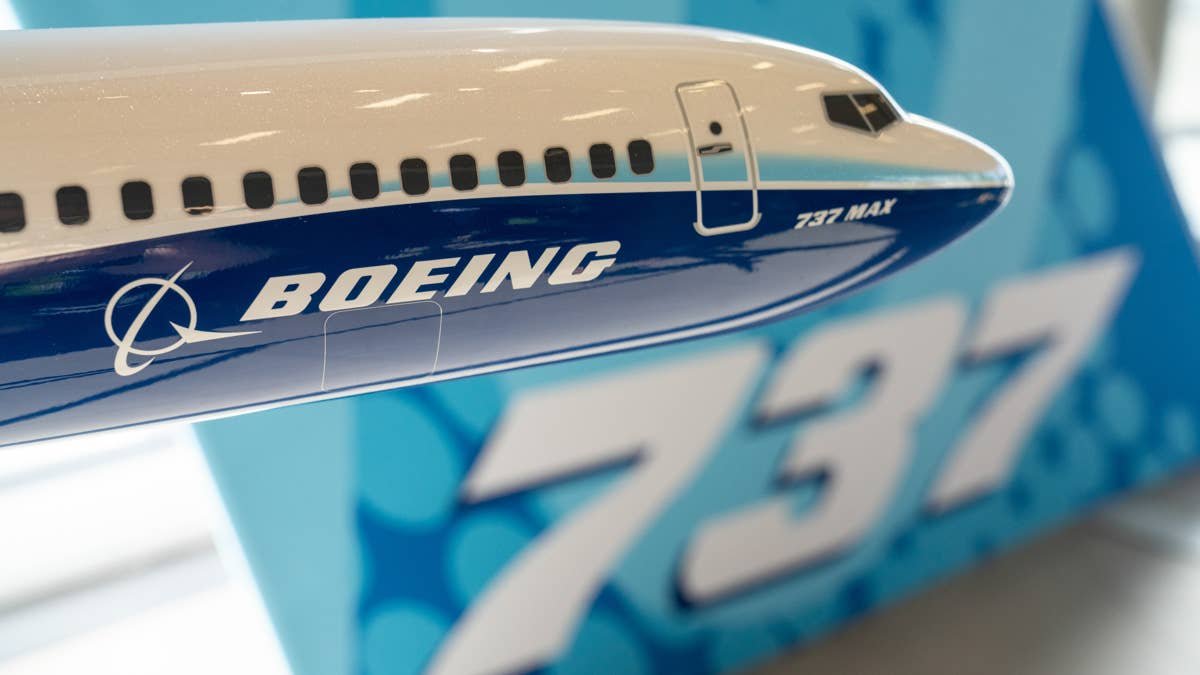
On October 20, 2026, Boeing announced that the Federal Aviation Administration (FAA) has certified its 737 MAX 10 aircraft. This model, the largest in the 737 series, is designed to enhance capacity on busy domestic routes, accommodating up to 230 passengers in a high-density layout. The lengthy certification process, lasting nearly nine years, follows safety upgrades prompted by previous accidents involving the 737 MAX 8.
The MAX 10 features various modifications, including a specialized main landing gear that extends 9.5 inches to prevent tail strikes during takeoff, addressing critical safety concerns. This aircraft is the first commercial model certified under the 2020 Aircraft Certification, Safety, and Accountability Act, reflective of heightened regulatory scrutiny following two fatal crashes linked to malfunctioning flight-control systems.
Boeing’s enhancements to the aircraft include a redesigned angle-of-attack (AOA) sensor and an additional backup digital system to improve pilot alerts regarding flight conditions. The FAA required extensive testing—nearly 1,000 test flights and rigorous safety assessments—before granting approval. Moreover, all new MAX jets certified after October 2027 will be required to incorporate these safety upgrades, with existing models updated by October 2029.
In the competitive aviation market, the MAX 10 is positioned to challenge the Airbus A321neo, which has garnered significant orders. With airlines lining up for the aircraft, Boeing has received around 1,555 orders from more than 30 global customers. This certification is expected to stabilize Boeing’s production rates and bolster investor confidence, as analysts highlighted its potential to improve profitability through lower operational costs per passenger.
Why this story matters
- The certification marks a significant milestone for Boeing, crucial for restoring its reputation and competitive edge in the aviation market.
Key takeaway
- The 737 MAX 10’s safety enhancements and increased capacity aim to satisfy both airline demands and passenger needs in a bustling travel market.
Opposing viewpoint
- Despite the certification, concerns about Boeing’s long-term safety practices remain, reflecting skepticism from some industry analysts and the flying public.