

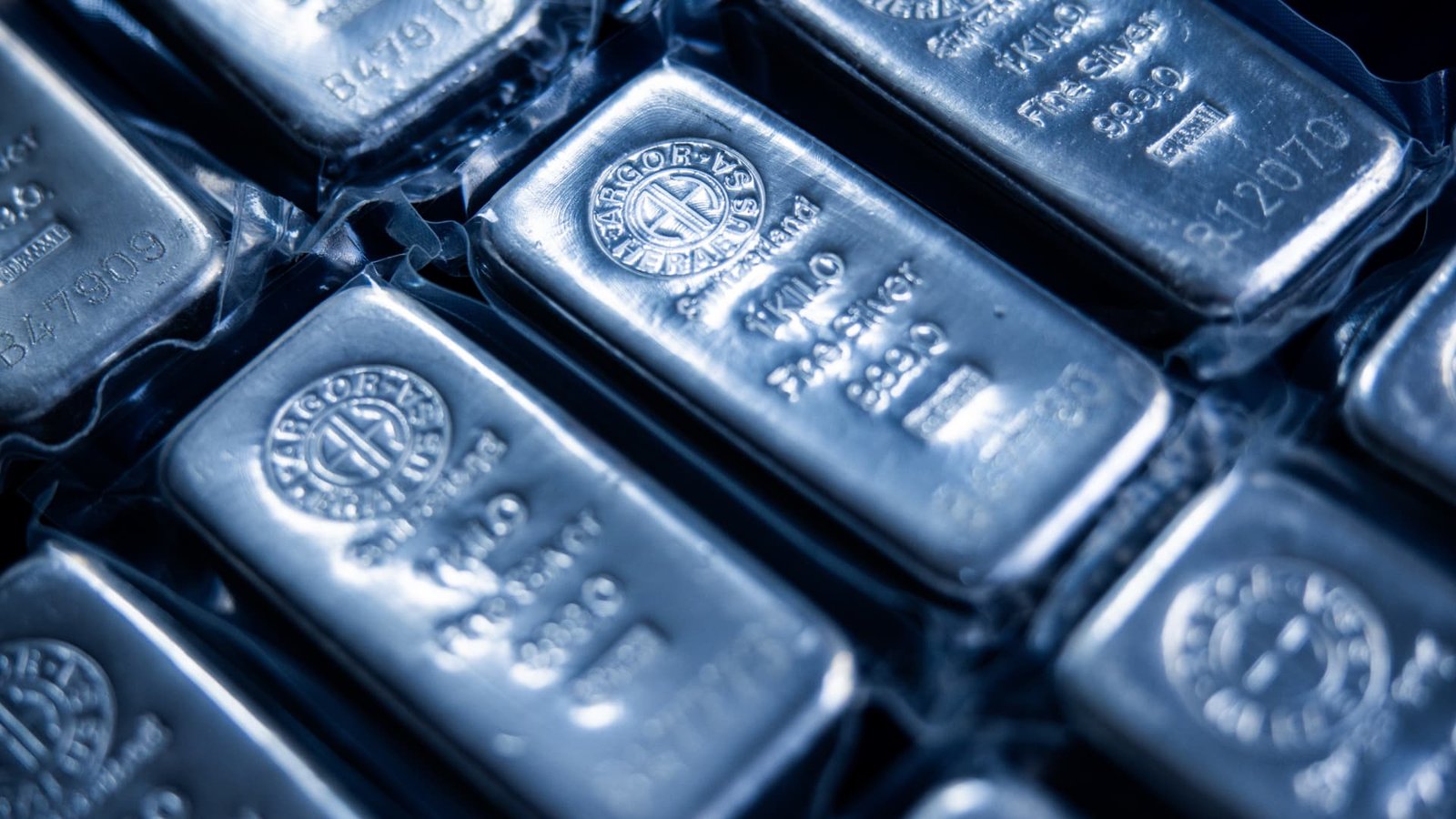
Silver experienced a significant price fluctuation following an unprecedented surge earlier this month. On February 17, 2025, the metal reached a record high of $80 per ounce before facing a sharp decline of 7% in trading on the following day. Despite this drop, silver remains up more than 155% year-to-date, having started the year priced at just over $20 per ounce. Recent trading values for silver futures have settled around $71.91 per ounce.
The impressive gains in silver’s value this year have positioned it ahead of gold, which has also seen substantial increases. Gold futures recently exceeded $4,550 for the first time and have risen over 70% this year, yet they experienced a 3.1% decrease in the latest trading session.
Several factors contribute to the strong performances of both metals. Investors are turning to silver and gold as safe-haven assets amid growing geopolitical tensions and concerns over the expanding U.S. deficit. Additionally, both metals serve as reliable stores of value, particularly in times of inflation or economic instability, with a weaker U.S. dollar making them more attractive to foreign buyers. Silver has also benefited from heightened industrial demand, especially in technology sectors including solar energy, data centers, and electric vehicles.
– Why this story matters: Silver and gold serve as indicators of investor confidence and economic stability, reflecting broader economic trends.
– Key takeaway: Despite a recent price drop, silver has seen extraordinary growth in 2025, driven by both safe-haven demand and industrial applications.
– Opposing viewpoint: Critics argue that the volatility in silver prices may deter long-term investors, questioning its stability compared to traditional investments.