



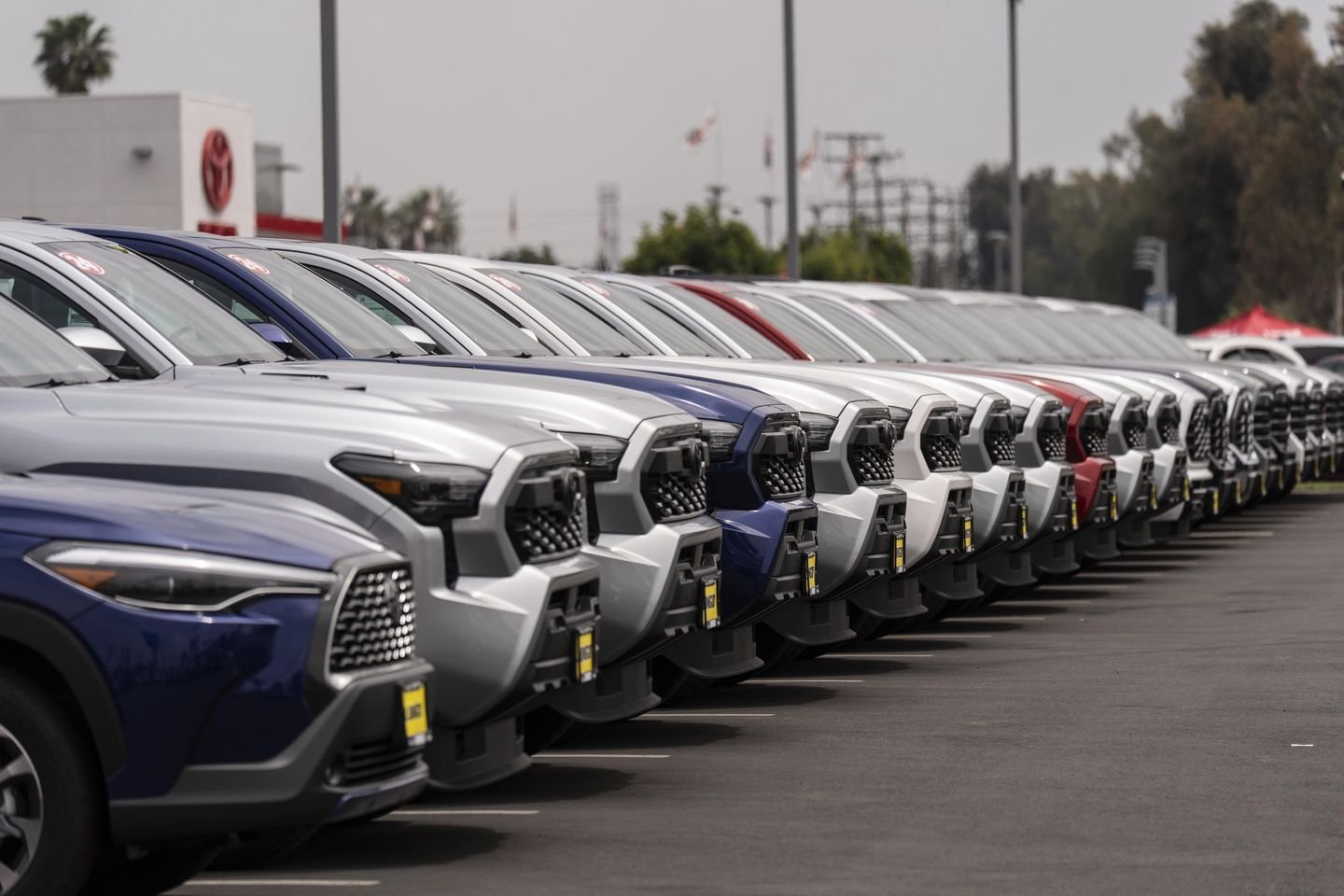
The average price of a new car and the manufacturer’s suggested retail price (MSRP) both hit unprecedented levels in December. Data indicates that the cost of new vehicles has continued to rise, reflecting overarching trends in supply chain constraints and increased consumer demand.
This surge in pricing highlights the ongoing challenges within the automotive industry, exacerbated by economic factors such as inflation, global supply chain disruptions, and a shortage of semiconductor chips essential for vehicle manufacturing. As consumers face higher costs when shopping for new vehicles, the financial implications may lead to changes in purchasing behavior.
The escalation in MSRP may also compel manufacturers to reevaluate pricing strategies and production methods to remain competitive in a shifting market landscape. Despite these pressures, car sales have shown resilience, suggesting that consumers continue to prioritize vehicle purchases even amidst rising prices.
Overall, the automotive sector is experiencing a pivotal moment, as market dynamics evolve and both manufacturers and consumers navigate the implications of these record-high prices.
– Why this story matters: It sheds light on the challenges facing consumers and manufacturers in the automotive industry amid rising costs.
– Key takeaway: The prices of new cars and MSRPs are at record highs, reflecting significant industry pressures.
– Opposing viewpoint: Some analysts argue that demand will eventually level out, potentially stabilizing prices in the near future.