

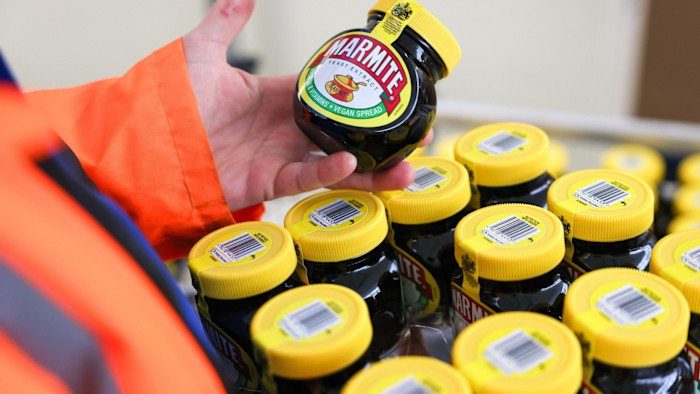
Unilever is engaged in discussions to sell its food division to spice and sauce manufacturer McCormick in a deal that could total billions of dollars. This proposed sale reflects Unilever’s strategic shift over the past decade towards expanding its beauty and personal care sectors. The FTSE 100 company confirmed on Friday that it has received an offer for its food brands, which include popular names such as Marmite, Hellmann’s mayonnaise, Knorr, and Pot Noodle. The valuation for the food division is projected to be in the tens of billions, with Jefferies analysts estimating it at between $36 billion to $37 billion.
Both companies are striving to finalize an agreement by month’s end, although they emphasized that a deal is not guaranteed. The sale would mark a significant transformation for Unilever, which has previously divested its tea, ice cream, and spreads units. It is reported that McCormick is planning to finance the acquisition through a combination of stock and cash.
Several major shareholders, notably activist investor Nelson Peltz, have advocated for the sale of Unilever’s food division, partly due to strategic disagreements that had previously led to changes in the company’s executive leadership. Despite its attractive portfolio, Unilever’s management underscored confidence in the future of its food business.
Conversely, employee representatives have voiced concerns about the impact of the sale, highlighting a lack of consultation regarding workforce implications. Analysts warn that the divestiture could limit Unilever’s operational scale in emerging markets, potentially affecting employee morale and the company’s broader strategic positioning.
Why this story matters:
- It illustrates Unilever’s ongoing strategic refocus on high-growth sectors.
Key takeaway:
- The potential sale could bring substantial cash flow for Unilever, enabling further investments in its core beauty and personal care lines.
Opposing viewpoint:
- Concerns have been raised regarding employee impact and reduced competitiveness in emerging markets due to the sale of the food division.