

The United Nations has revised its global economic growth projections downward amid ongoing crises in the Middle East and escalating oil prices. The UN’s forecast for global GDP growth has been adjusted to 2.5% for 2026, a decrease from 2.7% predicted in January. In a more adverse scenario, this figure could dip to 2.1%, marking one of the weakest growth rates of this century, apart from the COVID-19 pandemic and the 2008 financial crisis, according to Shantanu Mukherjee, director of economic analysis in the U.N. Department of Economic and Social Affairs.
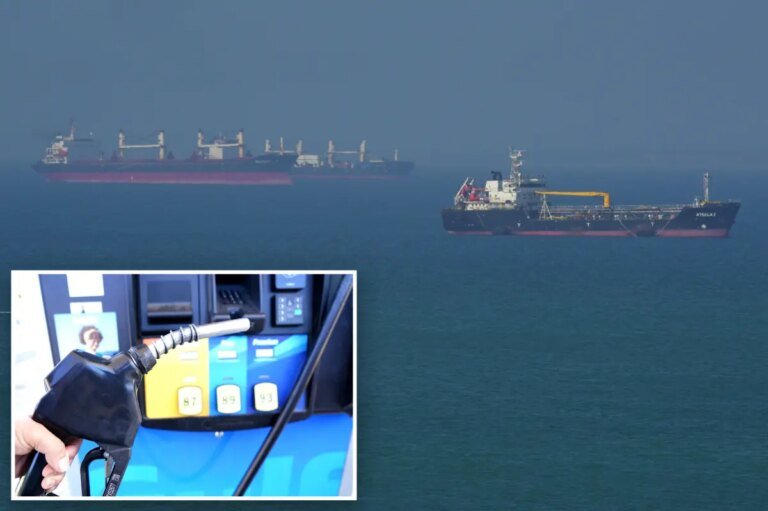
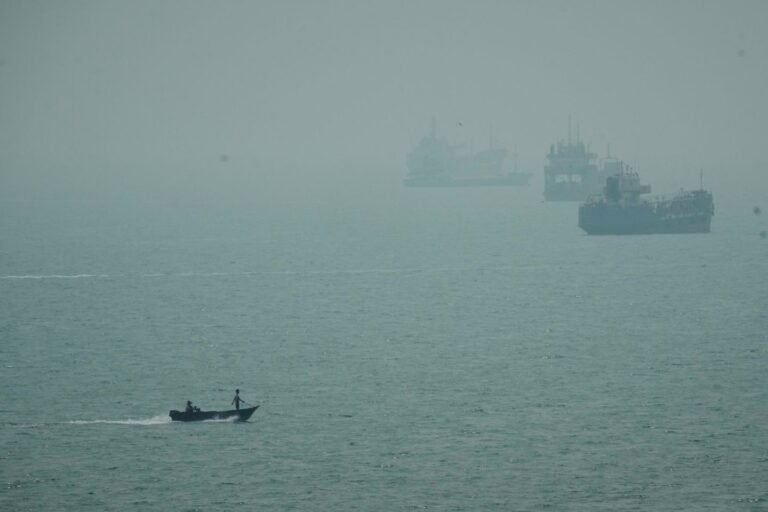
In tandem with declining growth expectations, global inflation rates are also anticipated to rise, now projected at 3.9% for the year, which is significantly higher than the earlier forecast of 3.1%. This inflation surge follows military tensions, particularly after airstrikes were launched by the U.S. and Israel on Iran, prompting Iran to block the Strait of Hormuz, a crucial shipping lane for oil and gas.
Mukherjee emphasized that energy prices are a significant contributing factor to inflation, especially regarding the costs of refined products essential for industrial and commercial operations. Moreover, the inflationary impact will not be uniform; developed nations may witness an increase in inflation from 2.6% in 2025 to 2.9% in 2026, while developing nations could see a jump from 4.2% to 5.2%. This inflation is driven by rising costs for energy, transportation, and imports, further straining real incomes in those regions.
Bolded Points:
- Why this story matters: The revision in economic forecasts signals potential challenges for global stability and growth, particularly influenced by geopolitical tensions.
- Key takeaway: Both global growth and inflation rates are projected to increase, particularly affecting developing countries more severely.
- Opposing viewpoint: Some analysts may argue that technological advances and renewable energy could mitigate the impact of rising oil prices.