


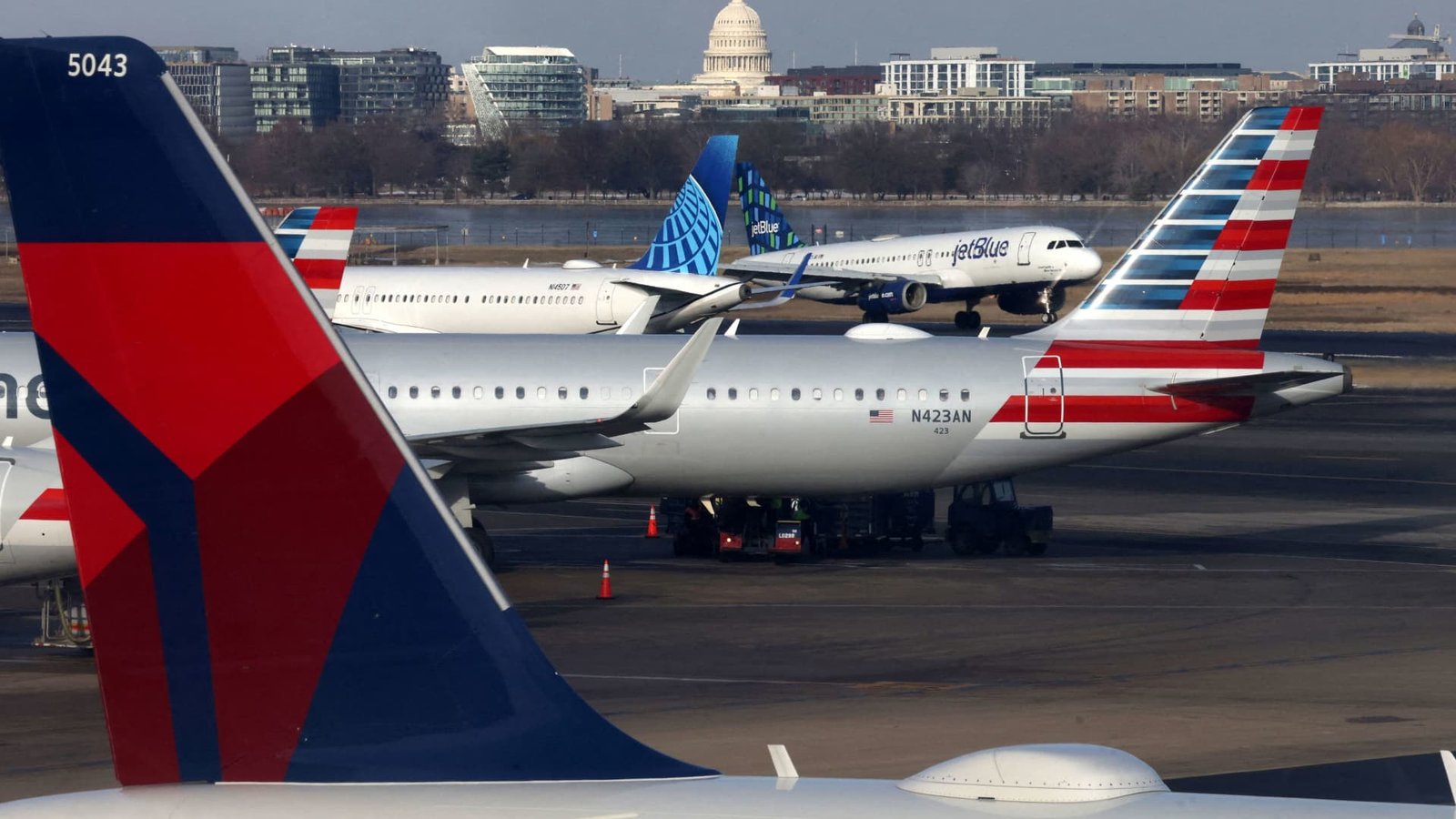
A U.S. lawmaker is pushing for the country’s major airlines to reduce fares if jet fuel prices decrease. In a letter addressed to the CEOs of Delta Air Lines, United Airlines, JetBlue Airways, and Southwest Airlines, U.S. Rep. Ritchie Torres of New York argued that airline pricing should correspond with fluctuations in fuel costs. He emphasized the need for fairness in pricing models that reflect market conditions and advocate for economic justice.
Jet fuel costs have risen significantly, averaging $4.88 per gallon in key U.S. cities by early April, representing a nearly 95% increase since late February, primarily attributed to geopolitical tensions. Fuel expenses rank as airlines’ second-largest operational cost after labor. Delta, for example, cited a $2 billion challenge due to fuel costs and indicated plans to scale back its capacity. Such decisions can potentially lead to higher fares, particularly when demand remains strong.
Airlines, including Delta, United, Southwest, JetBlue, American Airlines, and Alaska Airlines, have raised bag fees and surcharges amidst soaring fuel prices. Delta CEO Ed Bastian acknowledged that while airlines aim to maintain fare levels despite rising costs, they remain attentive to potential declines in fuel prices. He noted that although higher-end consumers continue to drive demand, the long-term impact of fluctuating fuel prices on airfare remains a critical concern for the industry.
Why this story matters: Airline pricing strategies significantly affect consumer travel costs, particularly as fuel prices fluctuate.
Key takeaway: Lawmakers are urging airlines to adjust fares in response to jet fuel price changes, promoting fairness in air travel pricing.
Opposing viewpoint: Some argue that airlines need to retain pricing strength to recover from operational challenges, even amidst falling fuel prices.