

A recent provision in the 2021 Infrastructure Investment and Jobs Act mandates that all new vehicles in the United States will eventually include technology designed to detect impaired driving. The National Highway Traffic Safety Administration (NHTSA) is tasked with developing permanent standards for this impaired driving safety equipment, with a deadline looming. Automakers have expressed concerns that the current technology is not reliable enough and can mistakenly interpret normal human movements as signs of impairment.
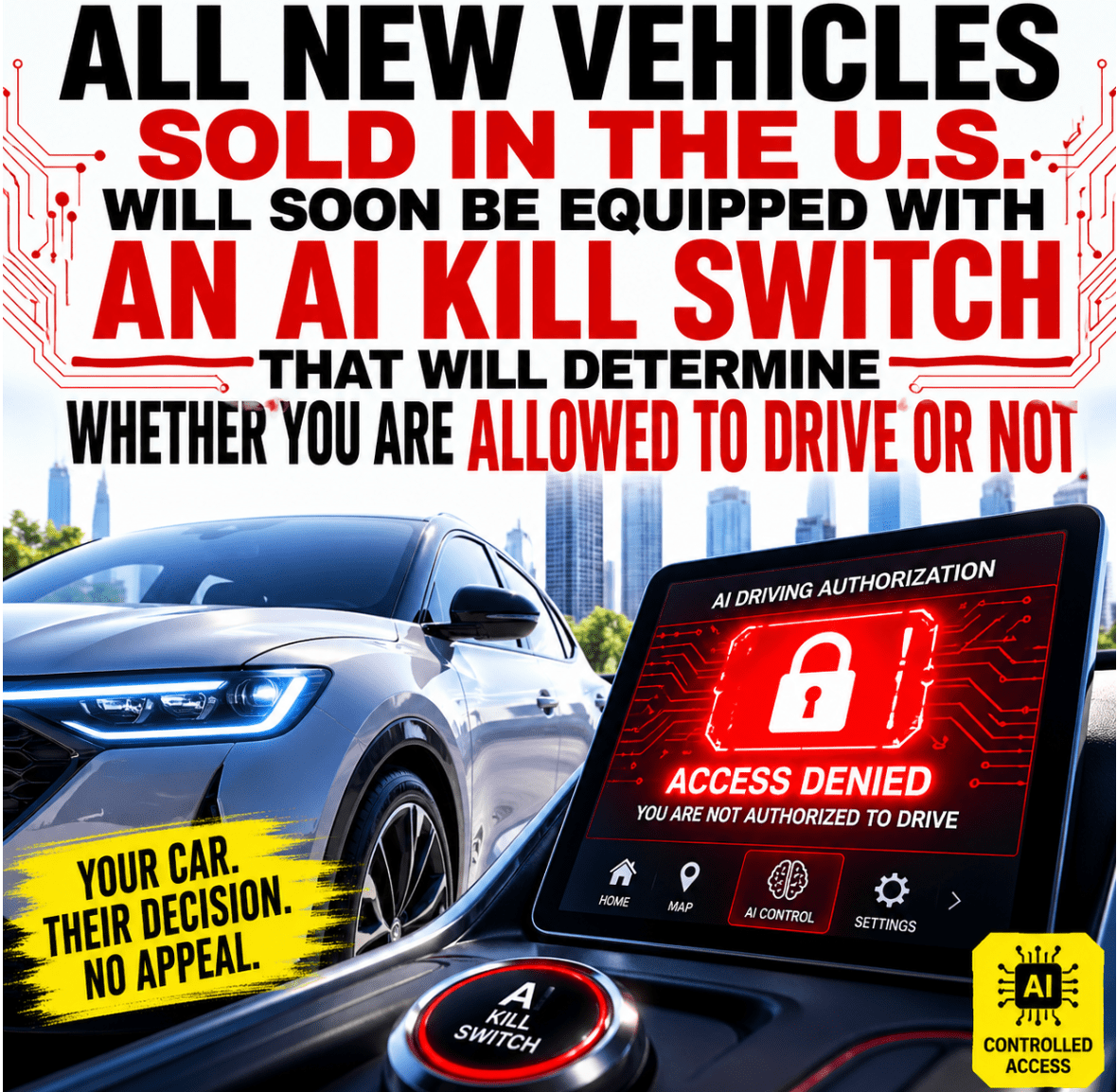
Critics argue that these measures could infringe on personal freedoms and privacy, likening them to a surveillance state. The measure, known colloquially as the Halt Drunk Driving Act, aims to reduce accidents caused by impaired drivers but raises significant ethical questions. For instance, systems will analyze driver behavior in real time, which could lead to vehicles preventing operation based solely on AI assessments of eye movements or attentiveness.
A recent vote in the U.S. House to block funding for this initiative was defeated, indicating strong legislative support. Following this setback, discussions continue around the potential implications of implementing mandatory “kill switches” that would allow machines to determine a person’s fitness to drive.
While concerns about impaired driving are valid, this mandate has sparked debate about the possible loss of autonomy for drivers. Many anticipate that the NHTSA will delay finalizing the rules until 2027, providing automakers additional time to comply. This timeline may also influence consumer willingness to purchase vehicles equipped with this controversial technology.
Why this story matters:
- The new regulations aim to address impaired driving but may infringe on personal liberties and privacy.
Key takeaway:
- Technology designed to monitor driver behavior may misinterpret normal actions, raising concerns about autonomy.
Opposing viewpoint:
- Supporters argue that the measure is necessary to reduce accidents caused by impaired drivers and enhance road safety.