


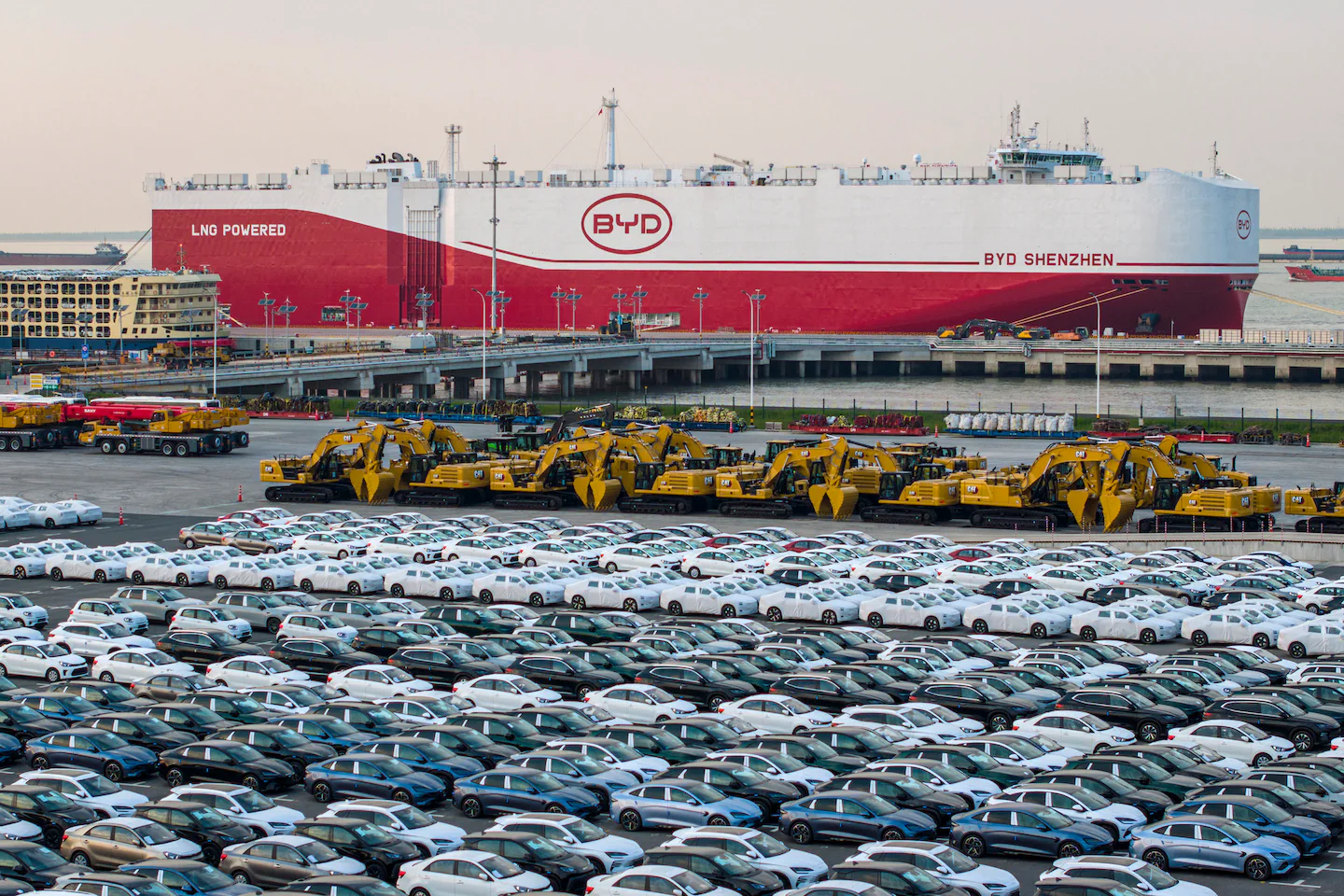
Tariffs imposed by the Trump administration have effectively curtailed the influx of low-cost Chinese products into the United States. However, European manufacturers are encountering challenges as they face a significant increase in imports, particularly of vehicles and technology from Asian markets.
The tariffs aimed at protecting American industries have shifted trade dynamics, leading to a decrease in Chinese goods in the U.S. market. In contrast, this has prompted a surge of imports into Europe, which now serves as a major destination for these products. European factories report increased competition in their local markets, impacting their capacity to maintain pricing and market share.
This dual effect of tariffs illustrates the complex interplay of global trade policies and their ramifications on various regions. While American producers may benefit from reduced competition from Chinese imports, their European counterparts find themselves under pressure from rising volumes of foreign goods.
As economic stakes continue to grow, stakeholders in both the U.S. and Europe are closely monitoring how these trade policies will evolve and what new strategies might be necessary to address the changing landscape.
Why this story matters: The impact of tariffs extends beyond U.S.-China relations, influencing European economies and global supply chains.
Key takeaway: Tariffs can protect domestic industries but may inadvertently destabilize foreign markets, creating new challenges.
Opposing viewpoint: Some argue that the tariffs may have long-term adverse effects on U.S. consumers and international relations, complicating global trade.