



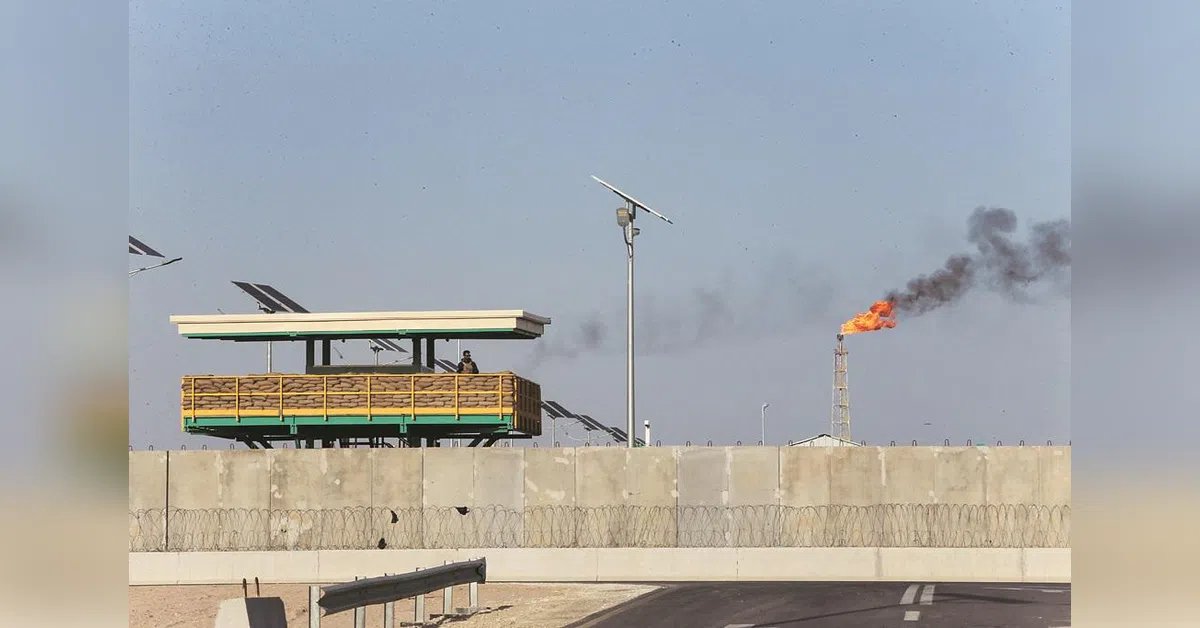
Energy executives are strategizing a major logistical effort to reopen the Strait of Hormuz, a crucial waterway for global oil supply, following significant disruptions due to the Iran conflict. The closure tightened margins, requiring a calibrated approach to oil well shutdowns in the United Arab Emirates (UAE) to enable a rapid rebound in production. Both Saudi Arabia and the UAE have retained sufficient pressure in their oil fields to potentially return to pre-war production levels within two weeks.
Nearly immediately after a tentative peace agreement between the U.S. and Iran, Saudi supertankers began to gather near the strait, signaling the potential for a swift resumption of oil exports. Industry leaders, including Patrick Pouyanne of TotalEnergies SE, express optimism that normal operations could resume within six months, contingent on a stable and secure reopening of the strait.
The return of oil production through Hormuz is crucial for Gulf states, promising to alleviate inflation concerns and contribute to lower energy prices ahead of the U.S. elections in November. However, the reopening process is complex, requiring thorough demining efforts and coordination among shipping and oil guidelines. Analysts warn that challenges may arise, including potential Iranian tolls on shipping and misalignment in logistical execution.
While some regions have successfully maintained their production capabilities, Iraq faces unique challenges due to well clogs from prolonged shutdowns. Despite uncertainty and potential setbacks, there is confidence that significant oil flow will return, with estimates suggesting that around 70% of pre-war production could be recovered within three months.
As the situation develops, there is a cautious anticipation of increased demand from Asian refiners, who have experienced fuel shortages throughout the conflict.
Why this story matters: The reopening of the Strait of Hormuz is vital for stabilizing global oil supply and pricing.
Key takeaway: Major oil-producing countries are preparing for a significant production restart that could reshape the energy market.
Opposing viewpoint: Concerns remain about the geopolitical stability and the reopening’s potential complications, which could inhibit progress.