


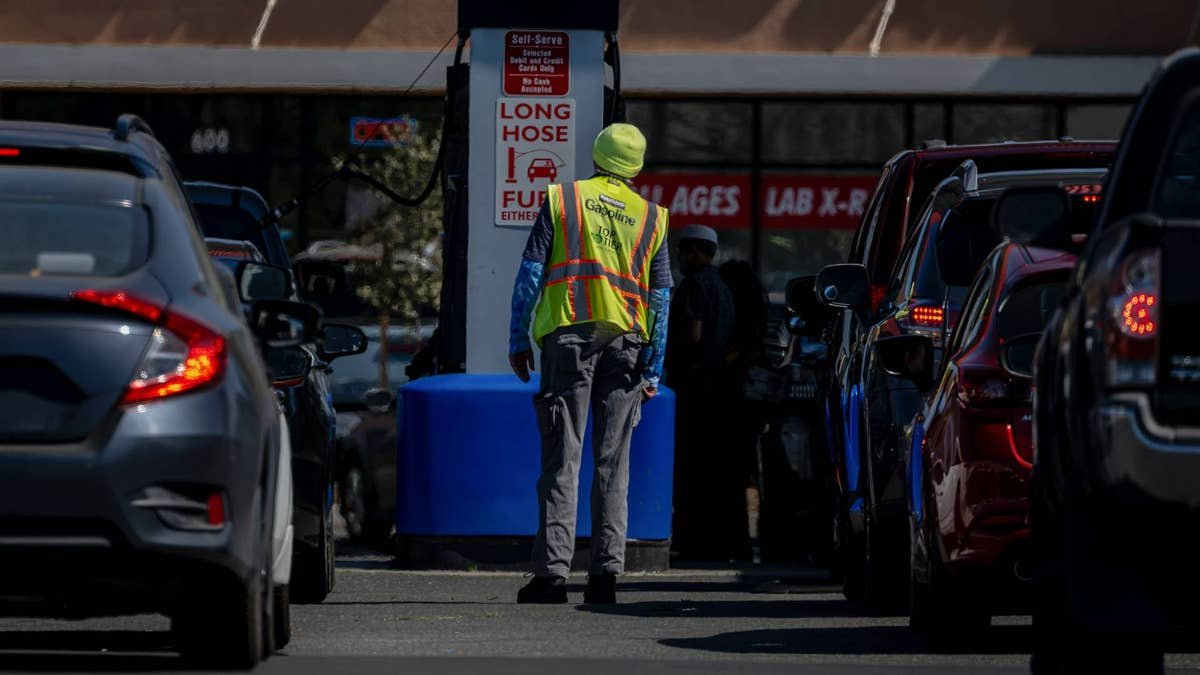
Bank of America’s latest data reveals an emerging economic imbalance beneath a generally sound consumer activity landscape in the U.S. While spending data for March indicates that households continue to purchase key goods, a closer inspection of wage growth exposes a widening gap between high-income and lower-income earners—the largest since 2015. Households with higher incomes reported a 5.6% increase in after-tax wages year-over-year, while lower-income households experienced only a 1% increase. This wage disparity is contributing to different consumer experiences amid rising costs, particularly with gas prices, which have surged from approximately $3 per gallon to around $4, disproportionately affecting lower-income households.
Gasoline expenses constituted about 8% of total spending for lower-income households, double that of their higher-earning counterparts. The burden of rising fuel costs translates to decreased discretionary spending for lower-income groups, as noted by analysts from Oxford Economics, who equated the costs to a tax on household incomes. Historical data also suggests that previous periods of escalating gas prices have led to decreased spending on essential goods and services among lower-income households.
Despite recent tax refunds providing temporary financial relief, they mainly benefit higher-income households who receive larger sums. Notably, as economic pressures persist, consumer spending, which accounts for approximately 70% of U.S. GDP, risks becoming increasingly dependent on a smaller segment of the population.
The findings highlight a dual-track reality in wages that could pose risks to overall consumer spending as the economy approaches the latter half of the year, suggesting a potential vulnerability if the trend continues.
Key Points:
- Why this story matters: The widening wage gap highlights economic disparities that could impact consumer spending and overall economic stability.
- Key takeaway: Higher-income households are seeing significant wage growth while lower-income earners lag behind, exacerbated by rising living costs.
- Opposing viewpoint: Some posit that consumer spending remains resilient, suggesting that high-income earners could sustain economic growth despite challenges faced by other income groups.