


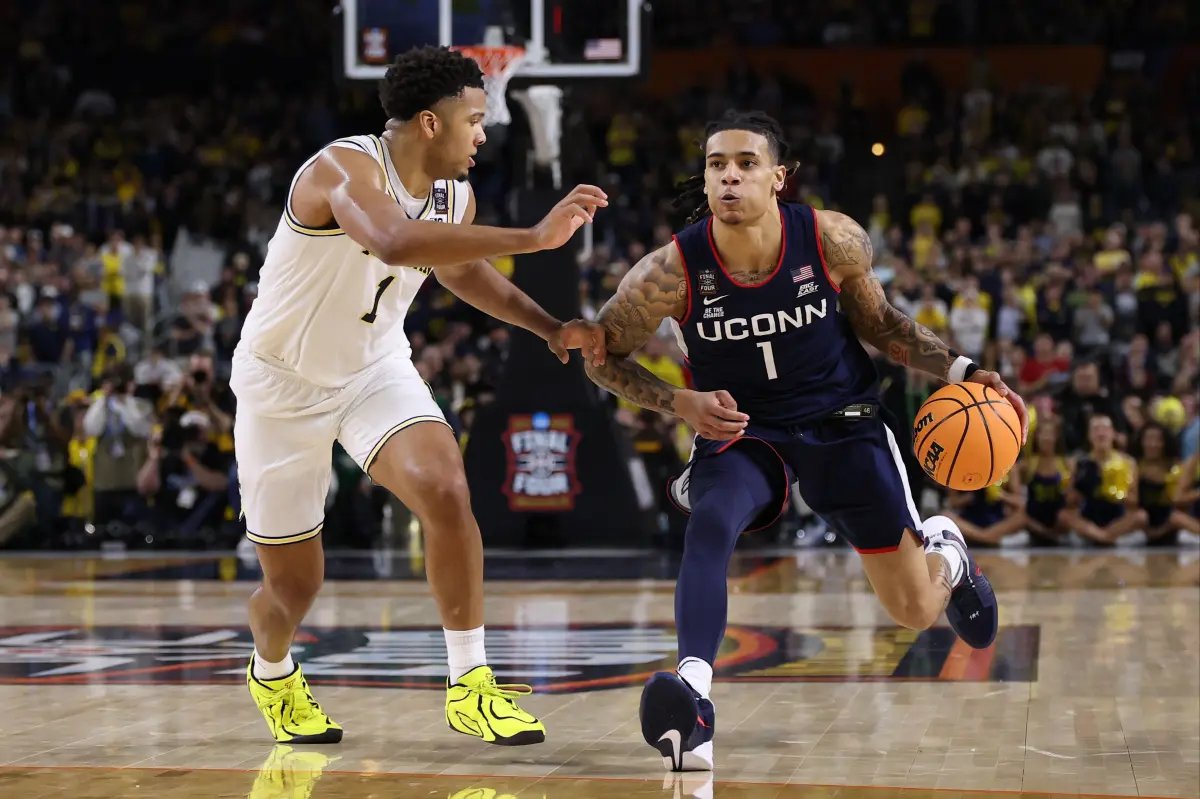
Recent developments in college sports have prompted discussions about the need for reform, particularly following actions in a California federal court. A magistrate judge may soon have the final say on the controversies surrounding the "Name, Image and Likeness" (NIL) system, which has significantly impacted collegiate athletics.
President Trump has established the Saving College Sports Roundtable, a commission chaired by New York Yankees president Randy Levine and Florida Governor Ron DeSantis, aimed at addressing the unintended consequences of the current NIL regulations. The committee’s focus is to recommend new legislation to Congress to mitigate issues arising from how colleges attract top athletes, often diverting donor funds intended for academic purposes to booster clubs supporting athletic recruitment.
Under the existing framework established by the House Settlement, there is a $20.5 million annual cap on distributions from booster organizations to student-athletes. However, recent legal actions have raised alarms that a loophole may allow "third-party NIL deals" with marketing companies to bypass this cap, potentially exacerbating financial inequities in college sports.
Levine expressed concern about these developments, stating that successful legal maneuvers could lead to increased chaos within college sports and further financial decline for many institutions. The plaintiffs’ lawyers argue that third-party payments are legitimate and should not be subject to college commission reviews, indicating a growing divide over the regulation of NIL deals.
As college athletes increasingly capitalize on their marketability, top athletes, particularly in high-profile sports, may draw lucrative offers that further disrupt traditional norms, placing smaller institutions at a competitive disadvantage.
Why this story matters:
- The potential for legal changes could redefine the financial landscape of college sports.
Key takeaway:
- Ongoing legal battles over NIL regulations highlight the need for thoughtful reform to balance athlete compensation and institutional integrity.
Opposing viewpoint:
- Critics argue that increased financial incentives for athletes could lead to instability in collegiate athletic programs.