



Living abroad can be an appealing prospect for physicians seeking a rewarding lifestyle change after years of rigorous training. Whether envisioning the pristine mountains of Switzerland or the sunny beaches of the Dominican Republic, many assume that relocating outside the United States simplifies their tax obligations. However, the reality is often quite the opposite.
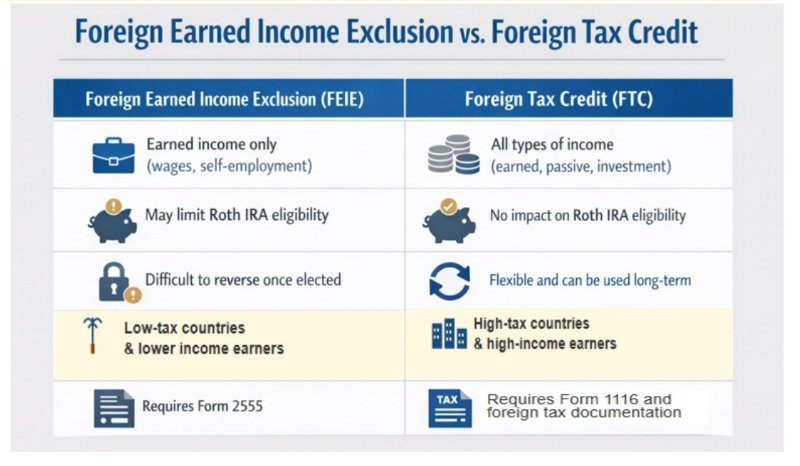
U.S. citizens are subject to taxation on worldwide income, regardless of where they reside. This creates complex filing requirements that many expat doctors overlook. Common misconceptions stem from relying on simplified advice from colleagues or foreign accountants unfamiliar with U.S. tax regulations. For instance, while the Foreign Earned Income Exclusion (FEIE) offers some relief, it doesn’t automatically apply or eliminate other reporting responsibilities. Additionally, it often turns out to be less beneficial for high-income professionals than the Foreign Tax Credit (FTC).
Another common pitfall is the misclassification of foreign retirement accounts, which can lead to unexpected tax bills and reporting requirements. Moreover, failing to report foreign bank accounts can incur severe penalties, even if no taxes are owed. Many physicians only realize these issues when it becomes urgent, such as during property transactions or when changing tax advisors.
To navigate these challenges, it’s vital for expats to consult tax professionals with experience in U.S. expatriate tax laws before making significant decisions. Addressing compliance proactively can prevent costly penalties.
Key Points:
-
Why this story matters: Many physicians underestimate the complexities of U.S. tax obligations when moving abroad, leading to potential compliance issues and penalties.
-
Key takeaway: The Foreign Tax Credit often offers better long-term tax benefits for high-income physicians compared to the Foreign Earned Income Exclusion.
- Opposing viewpoint: Some may argue that the lifestyle benefits of living abroad outweigh the complications of U.S. tax compliance.