



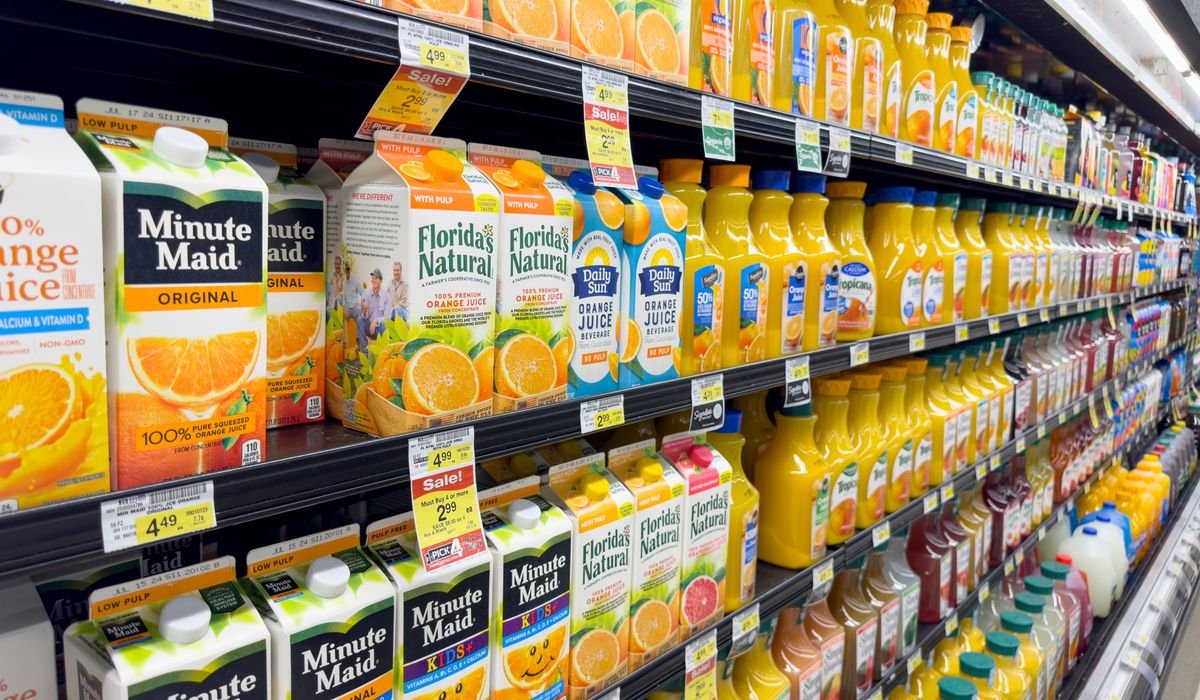
The Food and Drug Administration (FDA) has officially revised the long-standing Standard of Identity for pasteurized orange juice, a decision likely to pass unnoticed by most consumers. Health Secretary Robert F. Kennedy Jr. announced the changes, aimed at modernizing regulations that have dictated the contents of orange juice since 1963.
Under the updated guidelines, the minimum sugar content, known as the Brix level, has been lowered from 10.5 degrees to 10 degrees. This modification is intended to address the challenges faced by American citrus growers, particularly in Florida, where the average Brix levels have declined due to extreme weather conditions and a bacterial disease known as citrus greening. The FDA noted that some manufacturers had resorted to importing high-Brix orange juice to adhere to the previous standards.
In a statement, Kennedy emphasized that this reform would enhance the U.S. agricultural landscape by decreasing reliance on foreign imports, potentially saving the industry more than $6 million annually. He proclaimed that the change would help revitalize American supply chains while maintaining food safety and quality.
The FDA’s decision follows a petition from the Florida Citrus Processors Association and Florida Citrus Mutual, aimed at alleviating the constraints imposed by outdated regulations. Industry leaders expressed optimism that the adjustments would better reflect the realities of contemporary citrus production while preserving the integrity of orange juice as a healthful product.
While the new rules do not mandate any changes to current manufacturing processes, they offer greater flexibility for producers and consumers alike.
Why this story matters:
- It addresses economic challenges facing American citrus growers.
Key takeaway:
- The FDA’s revised orange juice standards aim to support domestic production while ensuring quality.
Opposing viewpoint:
- Critics argue that loosening standards may affect the perceived quality and safety of orange juice products.