


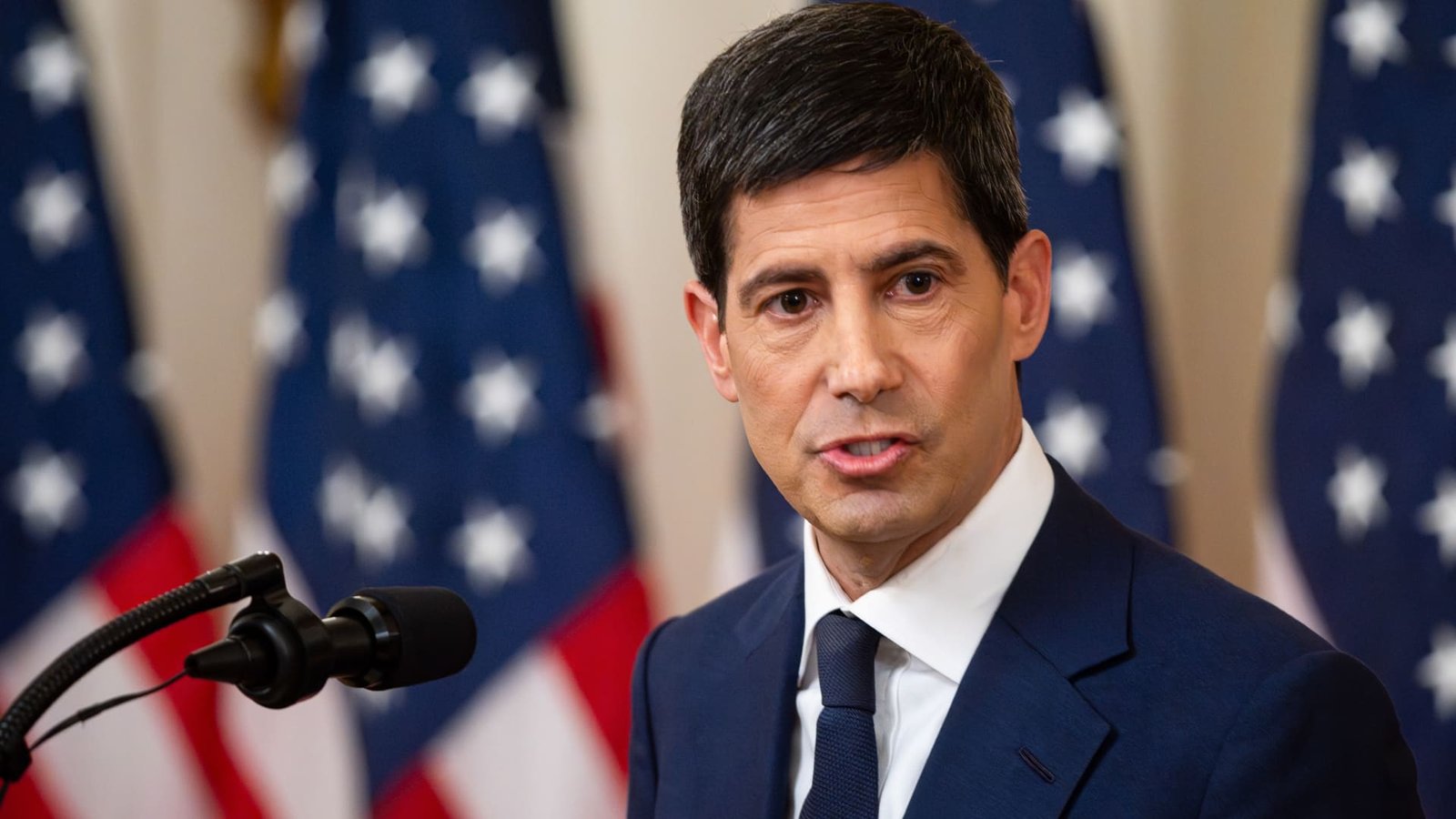
Kevin Warsh led his first meeting as chairman of the Federal Reserve, concluding Wednesday with the decision to maintain interest rates within a range of 3.5%-3.75%. This rate has remained unchanged since a reduction of three-quarters of a percentage point in late 2025. The Federal Open Market Committee (FOMC) voted unanimously to keep the benchmark rate stable, but there were notable shifts in the committee’s tone regarding future increases.
The committee abolished previous language indicating a bias toward rate cuts, hinting instead at the potential for rate hikes. Warsh, who did not contribute to the Summary of Economic Projections, has critiqued existing forecasting tools used by the Fed. He expressed intentions to review and possibly overhaul several Fed operations, emphasizing a need for clearer communication regarding policy.
The median estimate for the federal funds rate by the end of 2026 has increased to 3.8%, suggesting that at least one hike is likely this year. While eight committee members anticipate no changes to rates, one projects a cut, and nine expect an increase. The FOMC’s post-meeting statement was significantly shorter, streamlining previous communications by focusing on essential economic conditions and reaffirming commitments to controlling inflation.
Warsh noted that inflation remains considerably above the Fed’s 2% goal, shaped by external factors like global conflicts. Despite the challenges posed by rising inflation, recent employment figures remain robust, complicating the decision-making landscape for policymakers. Financial markets responded to the meeting’s outcomes, adjusting expectations to anticipate a potential rate hike by October.
Why this story matters:
- Insights into the Federal Reserve’s interest rate strategy under new leadership have implications for economic stability and market confidence.
Key takeaway:
- The FOMC is signaling possible rate hikes while emphasizing clear communication and operational review.
Opposing viewpoint:
- Some analysts believe maintaining interest rates is insufficient to address ongoing inflation concerns and advocate for more aggressive monetary policy adjustments.