

The Federal Reserve has opted to maintain its key interest rate, leaving the federal funds rate unchanged at a range of 3.5% to 3.75%. This decision, announced during a Federal Open Market Committee meeting, faced dissent from three regional presidents—Beth Hammack of Cleveland, Neel Kashkari of Minneapolis, and Lorie Logan of Dallas—who advocated for a rate increase in response to persisting inflation above the Fed’s 2% target for over five years. The committee ultimately voted 9-3 to hold rates steady.
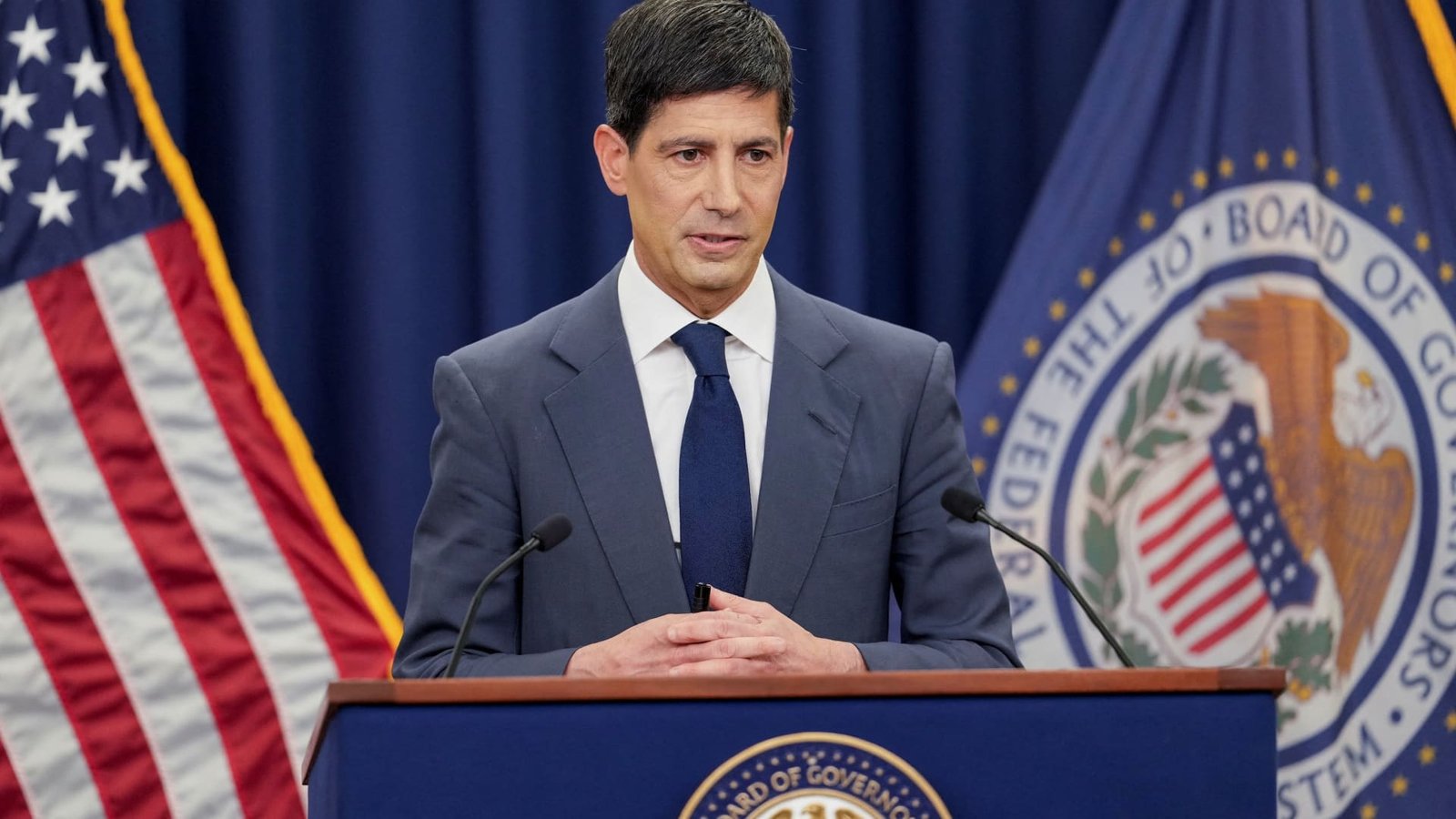
The dissenting officials preferred a ¼ percentage point hike, highlighting concerns about inflation’s impact on households. The meeting featured considerable uncertainty concerning future monetary policy direction, especially given the varied opinions among committee members. Chairman Kevin Warsh, who is under scrutiny for lacking clarity in monetary policy guidance, has emphasized the need for more robust communication regarding the conditions that could lead to rate adjustments.
Current economic indicators suggest robust growth, although challenges, including international conflicts, continue to create uncertainty. Officials remain divided, with some, like New York Fed Chair John Williams, asserting that existing policy is effective in managing inflation, while others argue for a more aggressive stance to alleviate financial pressure on families.
Warsh’s recent focus has been on altering how the Fed communicates its policies. Despite the internal divisions, the overall sentiment points to a cautious approach while the Fed monitors economic conditions and inflation trends.
Key points:
- Why this story matters: The Fed’s interest rate decisions impact economic stability and inflation management, influencing financial markets and consumer costs.
- Key takeaway: The internal debate within the Fed demonstrates differing views on inflation and monetary policy strategy amidst ongoing uncertainty.
- Opposing viewpoint: Some committee members believe tighter monetary policy is essential to curb rising inflation, contrasting the current decision to hold rates steady.