

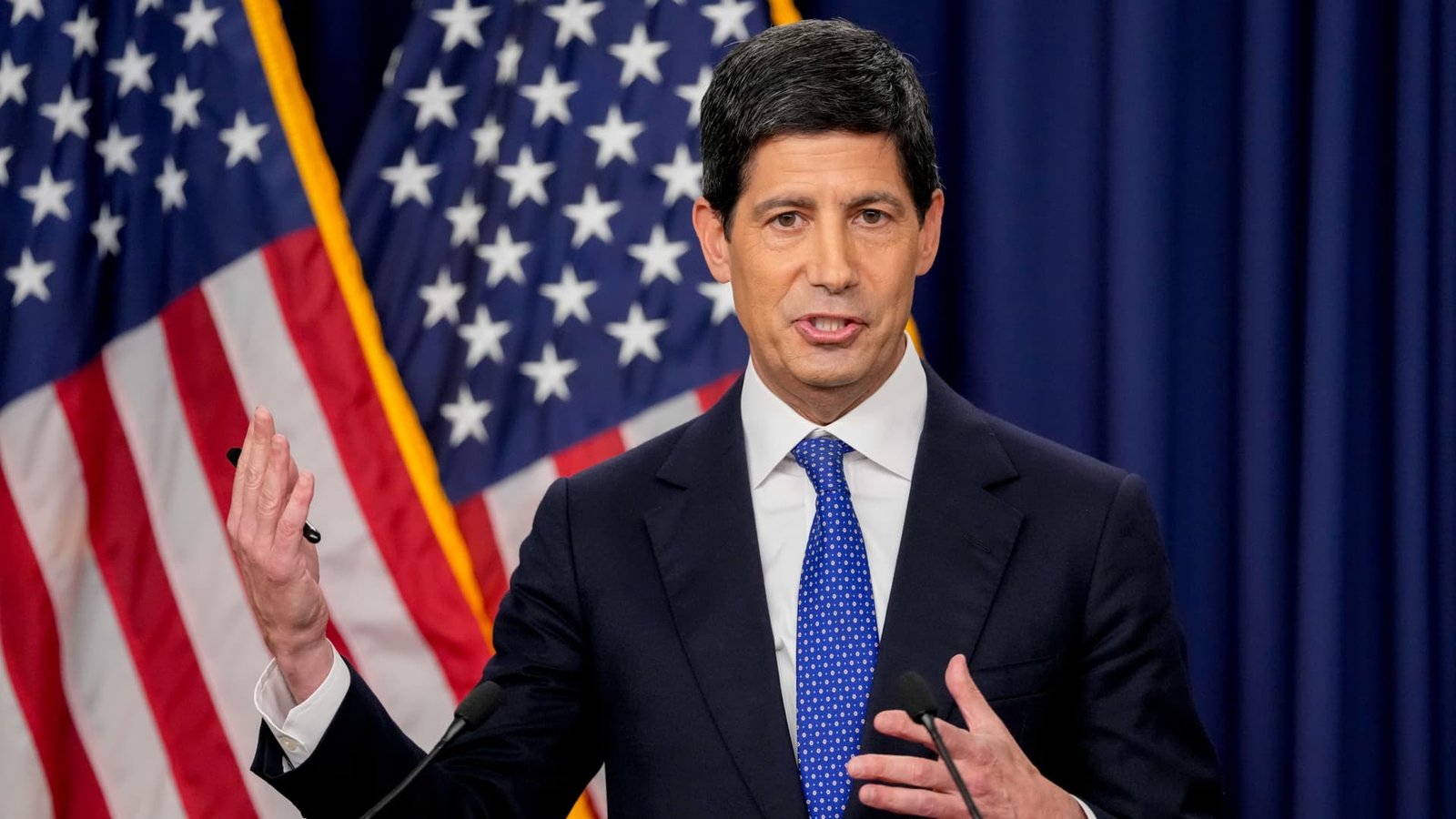
The Federal Reserve announced an anticipated interest rate hike on Wednesday, with Chairman Kevin Warsh underscoring the institution’s commitment to addressing inflation during a concise news conference. The decision to raise rates by a quarter percentage point met market expectations, and it was notable for receiving unanimous approval from all 12 members of the Federal Open Market Committee (FOMC). This consensus came despite recent speculation about potential dissent, particularly from Governor Christopher Waller.
Following the announcement, market reactions were negative. Stock indices that were initially doing well shifted sharply downward, with the Dow Jones Industrial Average dropping 631 points. Bond yields also increased significantly, reflecting heightened concerns over future rate hikes.
The post-meeting statement was exceptionally brief at just 130 words, consistent with Warsh’s previous communications. The accompanying press conference lasted approximately 30 minutes, with Warsh engaging reporters for around 22 minutes. The FOMC’s dot plot indicated a general expectation for at least one more rate hike in 2026, but diverging opinions emerged for subsequent years, with varying projections for 2027, 2028, and beyond.
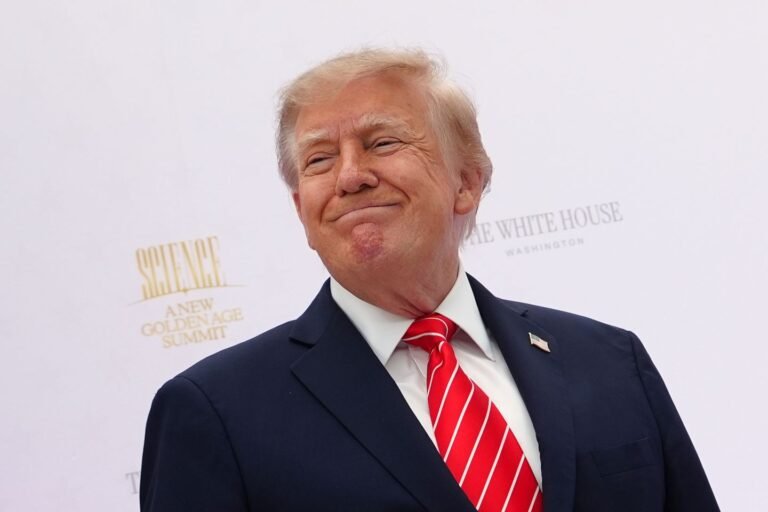
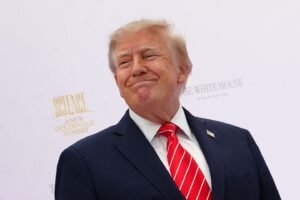
During the conference, Warsh deflected questions regarding political interference, affirming the Fed’s independence in formulating monetary policy. This response came amid renewed criticism from President Donald Trump, who has voiced dissatisfaction with the Fed’s rate policies.
Economists and market analysts weighed in on the implications of these developments, highlighting the complexities of the current economic landscape and the Fed’s approach to managing inflation while maintaining growth.
Why this story matters
Key takeaway
Opposing viewpoint