



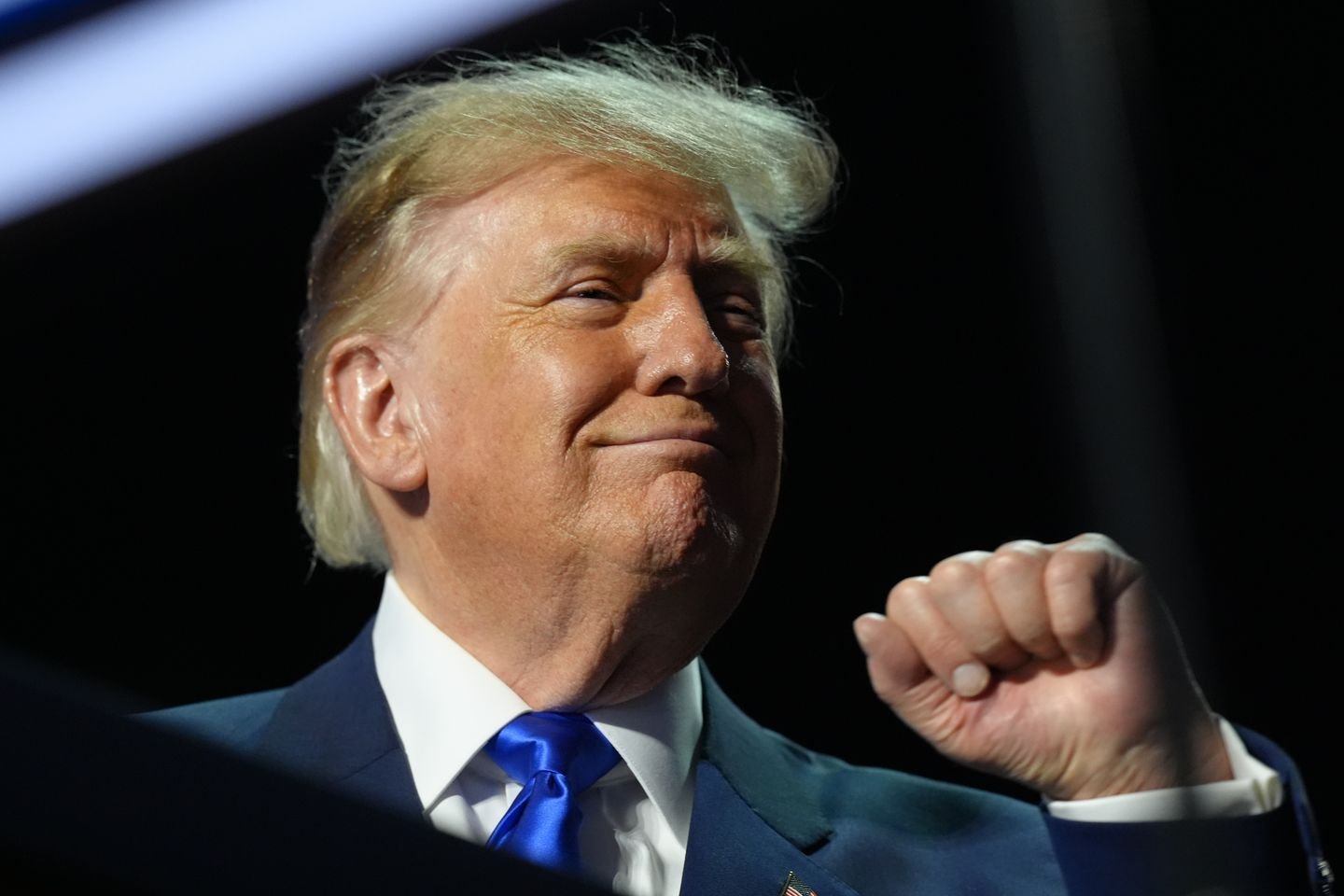
President Donald Trump expressed strong opposition to the European Union’s intention to allow Canada to become an associate member. He characterized this potential move as a "hostile act" and warned that the United States might respond by imposing additional tariffs on EU nations.
Trump’s comments reflect ongoing tensions between the U.S. and EU regarding trade policies and relationships. The proposed changes in Canada’s status within the EU have raised concerns for the U.S., particularly regarding competition and economic dynamics between the countries. The president’s remarks underscore his administration’s focus on protecting American interests and its willingness to escalate trade disputes through tariffs.
This situation highlights the fragility of international trade relationships, particularly among major economies. As discussions evolve, the implications for global trade could be significant, potentially affecting economic stability and cooperative agreements.
Why this story matters
- The potential shift in Canada’s relationship with the EU could alter trade dynamics in North America and beyond.
Key takeaway
- President Trump’s threat to impose tariffs underscores the ongoing complexities and tensions in U.S.-EU trade relations.
Opposing viewpoint
- Critics argue that such tariff threats could exacerbate trade disputes and harm economic relations, potentially counteracting the benefits of new trade partnerships for all parties involved.