

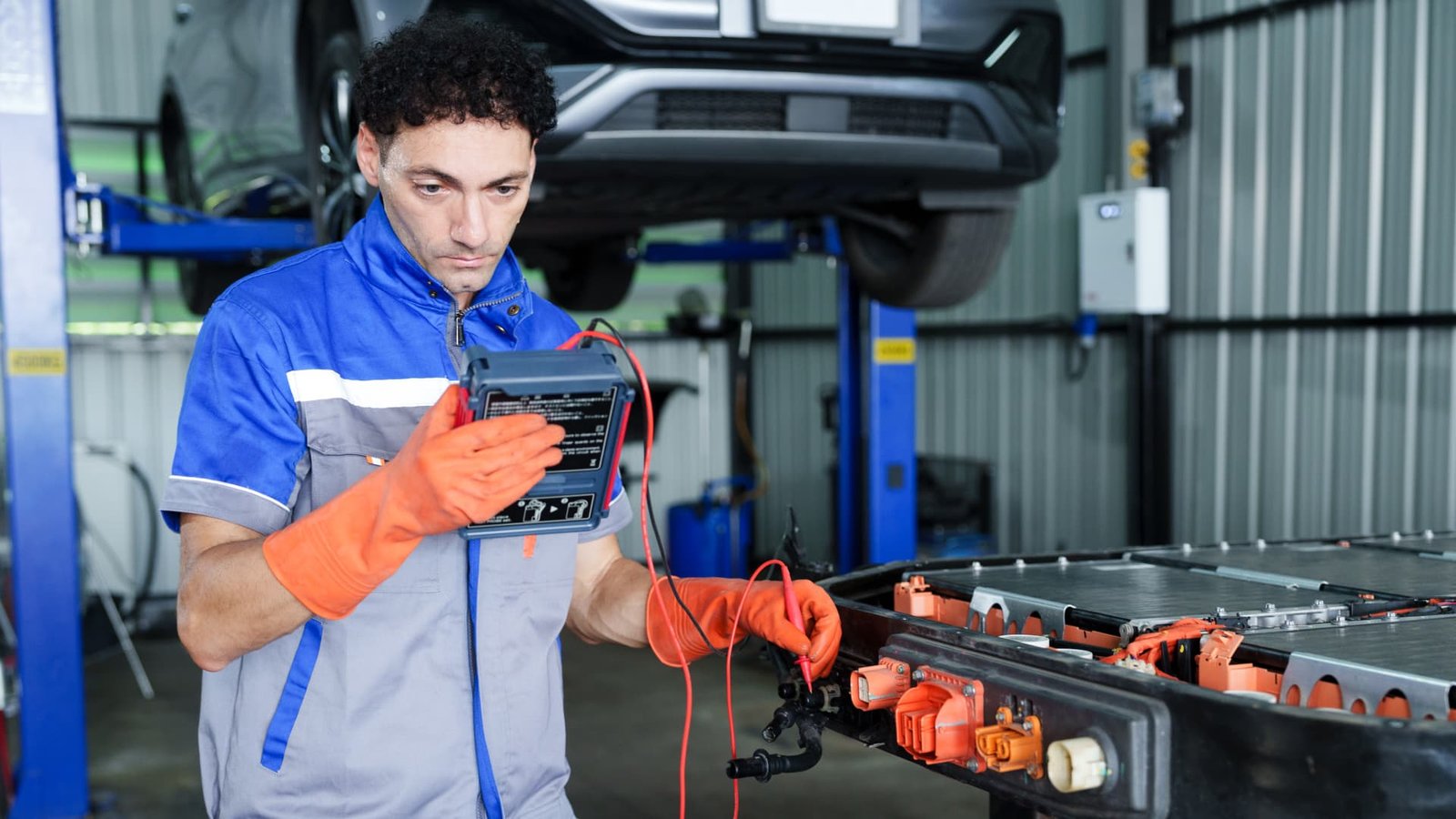
The growing complexity of modern vehicles is leading auto repair shops to incur increased expenses for computers, software, and calibration equipment, costs that are ultimately passed on to consumers. Ralph Czeisler, a Brooklyn-based mechanic and owner of Emil’s All-Tire, shared that he must invest significantly in updated technology each year to conduct even basic repairs. He noted that the costs associated with maintaining multiple specialized computers for different brands is becoming increasingly burdensome.
Greg Brannon, director of automotive engineering at AAA, highlighted that repairs now frequently require specific laptops and software subscriptions, which add to the financial strain on smaller, independent shops. He pointed out that the ability to service a wide range of vehicles is increasingly challenging due to these rising expenses. Overall, data from the St. Louis Federal Reserve indicates that repair costs have surged by approximately 60% from January 2019 to August 2026, a rate that far exceeds general inflation.
A significant factor contributing to this spike in repair costs is the calibration of advanced driver-assistance systems (ADAS), which can elevate collision repair expenses by nearly 38%. Procedures that were once straightforward, such as replacing a windshield, now necessitate calibrating cameras to ensure safety features function correctly. The costs associated with calibration equipment can be substantial, often totaling up to $90,000.
The rising complexity of vehicle repairs has also given momentum to the "right to repair" movement, advocating for consumer and small shop access to essential tools and information. Legislative efforts have emerged to improve access to repair resources, while discussions among trade groups aim to facilitate better access to data for smaller repair shops.
Why this story matters: The rising costs in auto repair highlight significant challenges faced by consumers and independent mechanics due to technological advancements.
Key takeaway: The financial burden of modern vehicle repairs is increasingly affecting both repair shops and consumers.
Opposing viewpoint: While some claim that sophisticated repairs necessitate advanced technology, proponents of the right-to-repair movement argue that improved access to tools and information could mitigate costs.