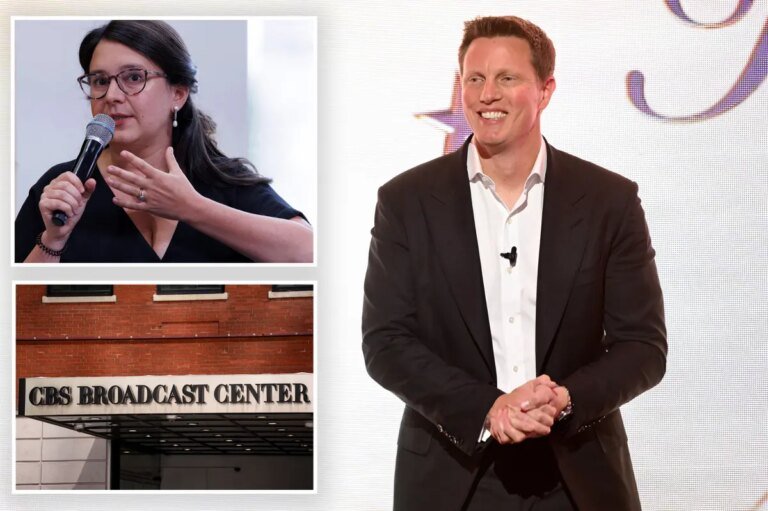



Negotiations between US cosmetics company Estée Lauder and Spanish fragrance group Puig to form a merger worth $40 billion fell apart late Thursday, preventing the establishment of a luxury beauty giant combining renowned brands. The proposed merger would have united brands like Tom Ford, Clinique, and MAC with Puig’s Carolina Herrera and Charlotte Tilbury, which has gained popularity among TikTok influencers and affluent millennials.
Disagreements among the controlling families and various demands disrupted the talks. A significant sticking point involved requests related to Charlotte Tilbury, the founder of the beauty brand that is primarily owned by Puig. Communication between Estée Lauder Chairman William Lauder and Puig’s Marc Puig deteriorated, leading to a signal that the discussions had ended, marked by an emoji indicating the deal was “dead.”
As investor sentiment turned against the merger, Estée Lauder’s stock saw an increase of about 10% following the announcement of the talks’ collapse, while Puig’s shares dropped by 13%. The failed negotiations followed months of discussions that began late last year, encompassing meetings across several major cities, including Paris, New York, and Barcelona. Key points considered included governance of the potential new entity, financial synergies, and the locations for future operations.
Both family groups expressed a desire to maintain influence over the merged organization, complicating the process further due to conflicting interests surrounding essential assets like Charlotte Tilbury and other profitable brands, which Puig does not fully own.
Why this story matters
This development highlights the complexities of major corporate mergers and the influence of investor sentiment in shaping business decisions.
Key takeaway
Investor reluctance and disagreements between controlling families significantly impeded the merger between Estée Lauder and Puig.
Opposing viewpoint
Some analysts argue that Estée Lauder may have benefited from the synergies of the merger, despite current investor hesitance.