



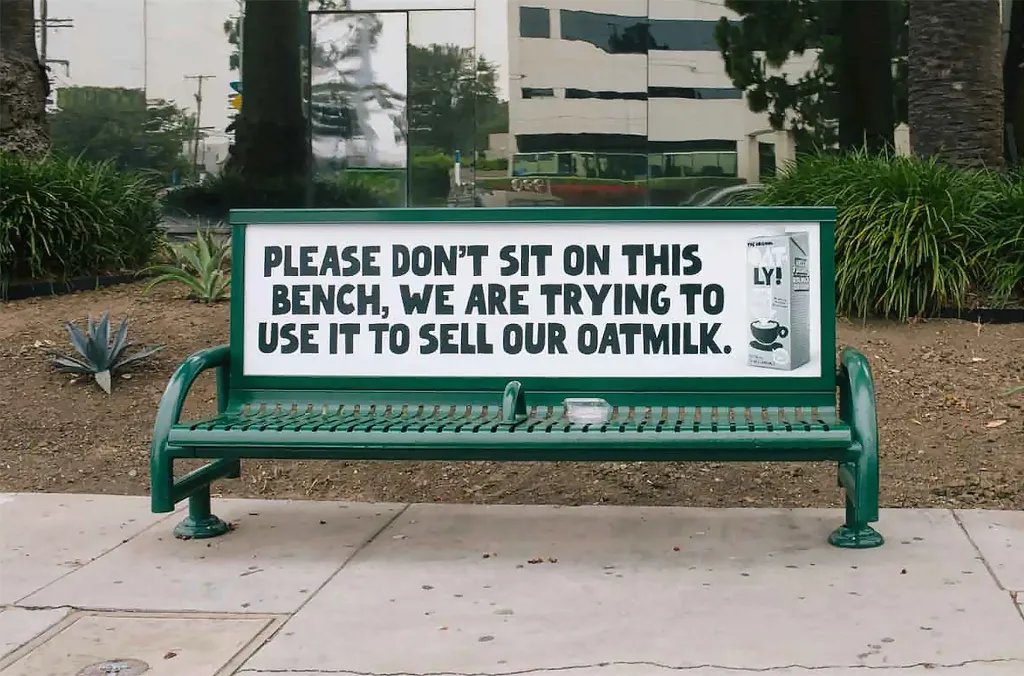
Oatly, a Swedish oat milk company, is recognized for its distinctive marketing approach, achieved by offering a high level of autonomy to its creative team. Instead of adhering to conventional brand guidelines found in most large organizations, Oatly has chosen to eliminate its brand book, allowing for greater creative freedom. This strategy encourages innovations and a unique brand voice, which have contributed to the company’s popularity.
Michael Lee, Oatly’s creative director, emphasizes that new employees are instructed to “unlearn everything you know about marketing” to foster a distinctive brand identity. The company’s shift began in 2012 under CEO Toni Petersson and Chief Creative Officer John Schoolcraft, who restructured the marketing team, focusing on creative talent rather than traditional marketing processes. This model, where the creative team, dubbed the Department of Mind Control, develops its own briefs and strategies, remains intact today.
This unusual setup allows the team to evade the typical layers of approval that often stifle creativity. Lee notes that while having such freedom can lead to risks, it is essential for maintaining a bold brand identity. As brands grow larger, creative risks become more challenging due to increased scrutiny and protection of existing branding. Oatly has consciously built a structure that supports creative autonomy at every level, resisting the urge to conform to safer marketing norms.
The ongoing challenge for Oatly is balancing innovative risk-taking with the operational pressures that accompany growth, striving to retain its unique voice in an increasingly competitive market.
Key Points:
- Why this story matters: Oatly’s approach highlights the importance of creative freedom in building a distinctive brand voice, especially in a crowded market.
- Key takeaway: Removing rigid guidelines can encourage more innovative marketing strategies.
- Opposing viewpoint: Critics may argue that lacking a structured brand book can lead to inconsistencies in brand messaging and identity.