



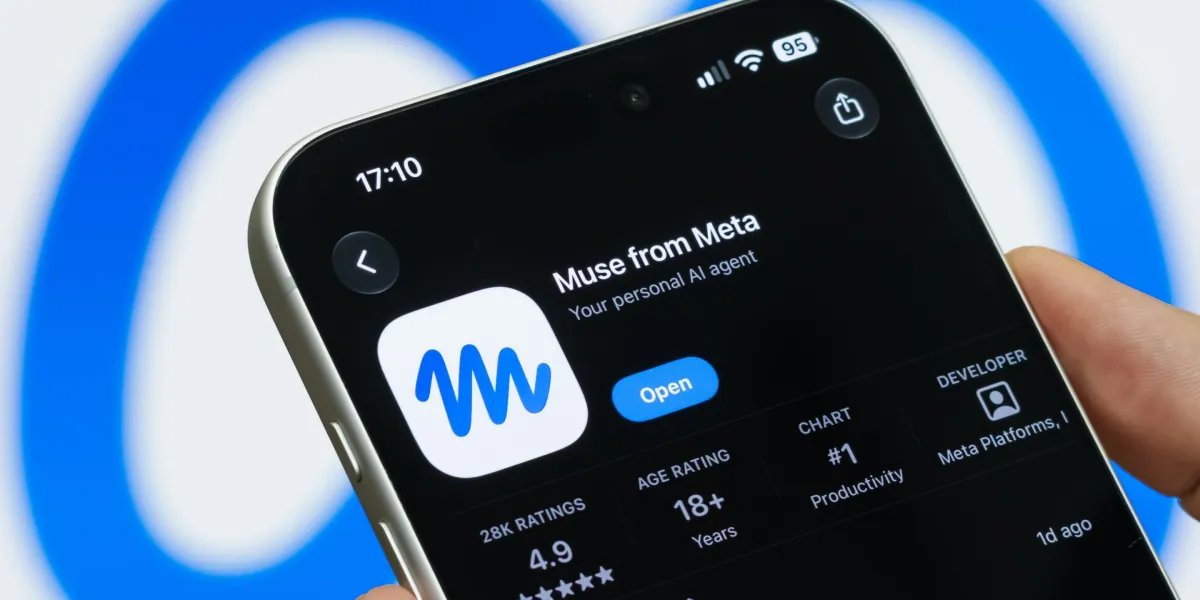
Meta’s new AI agent application, Muse, is rapidly gaining traction in the consumer market, recently surpassing ChatGPT to become the top free app on Apple’s App Store. Designed to serve as a personal AI assistant, Muse streamlines tasks such as booking appointments, shopping, and organizing calendars autonomously. Utilizing Meta’s Muse Spark AI model, the app allows users to grant access to various accounts on their devices, enabling the AI to handle tasks like vacation bookings and restaurant reservations.
This launch marks Meta’s significant entry into the consumer AI space, positioning the company ahead of its competitors. Despite its success, Meta faces challenges; Amazon has blocked Muse from accessing its online store, citing a violation of its Conditions of Use. Amazon claims that Meta did not seek permission for this access, although Meta announced a partnership with Shopify to explore some shopping features for Muse.
Industry experts note that Muse’s rise poses larger questions about the control of user interfaces and access rights in the shopping domain. Liat Ben-Zur, CEO of LBZ Advisory, emphasized the implications of this technology, suggesting that the companies governing access will greatly influence how such agents operate for consumers.
Moreover, privacy remains a significant concern for users considering Muse, which requires sensitive information such as banking details for effective functionality. Meta asserts that user privacy is a priority, utilizing one-time card numbers for transactions to protect personal data. As the AI landscape evolves, the upcoming Connect event is expected to reveal further innovations from Meta, including updates to the company’s smart glasses.
Why this story matters
Key takeaway
Opposing viewpoint