

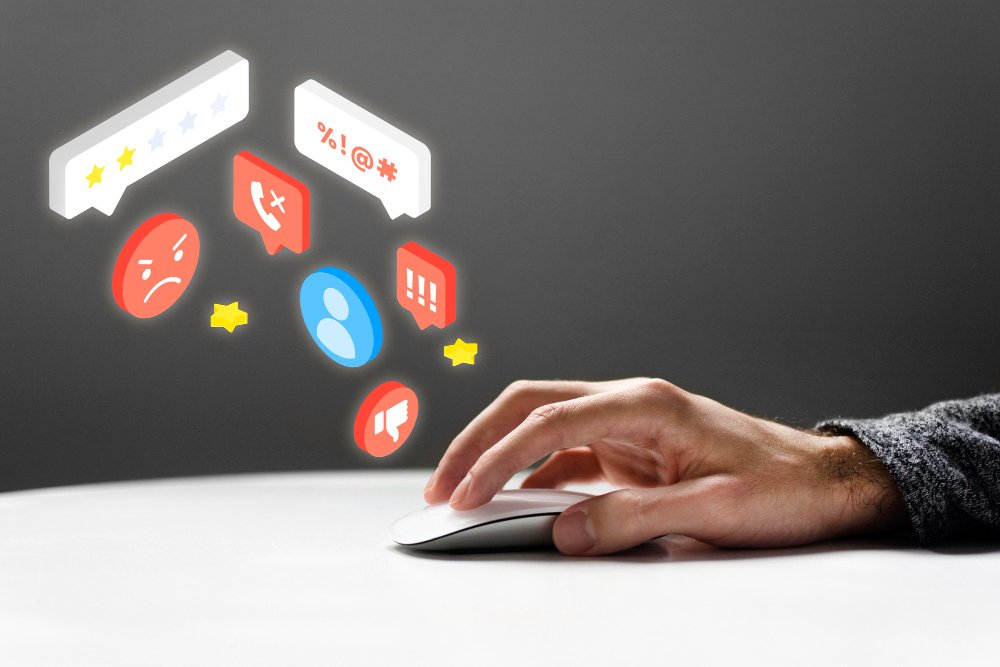
The prevalence of fake reviews poses a growing challenge for small businesses in the UK. In 2023, the Department for Business & Trade estimated that 11% to 15% of reviews for consumer electronics, home and kitchen products, and sports and outdoors items could be fake, with other studies suggesting the figure might reach as high as 30%. Despite legislation enacted in April 2025 to prohibit this practice, many small enterprises continue to encounter fraudulent reviews on platforms like Amazon, eBay, Facebook, Tripadvisor, Google, and Trustpilot.
Often, these misleading reviews can damage a business’s reputation and sales, making it difficult for new entrepreneurs to establish credibility. Negative reviews typically allege the business has failed to meet industry standards or fulfill agreements, while some are specifically designed to dissuade potential customers from engaging with the business.
To effectively handle fake reviews, business owners are advised to first verify their authenticity. This involves examining the reviewer’s account history for signs of suspicious activity. If confirmed as fake, it is crucial to respond calmly, outlining the reasons the review appears inauthentic and inviting the reviewer to discuss their concerns privately.
Reporting these reviews is also crucial. Platforms like Google, Trustpilot, and Facebook allow businesses to flag suspicious reviews, but owners must provide evidence that breaches community guidelines. Proactive practices, such as encouraging honest customer feedback and promptly addressing legitimate concerns, can also mitigate the effects of fake reviews.
In conclusion, remaining level-headed and documenting all interactions regarding false reviews is essential for maintaining a business’s integrity in the face of online deception.
Why this story matters:
- Represents a significant threat to the integrity of small businesses in the UK.
Key takeaway:
- Validation and calm responses are crucial in dealing with potentially damaging fake reviews.
Opposing viewpoint:
- Some argue that existing consumer protection laws may not sufficiently address the issue of fake reviews.