

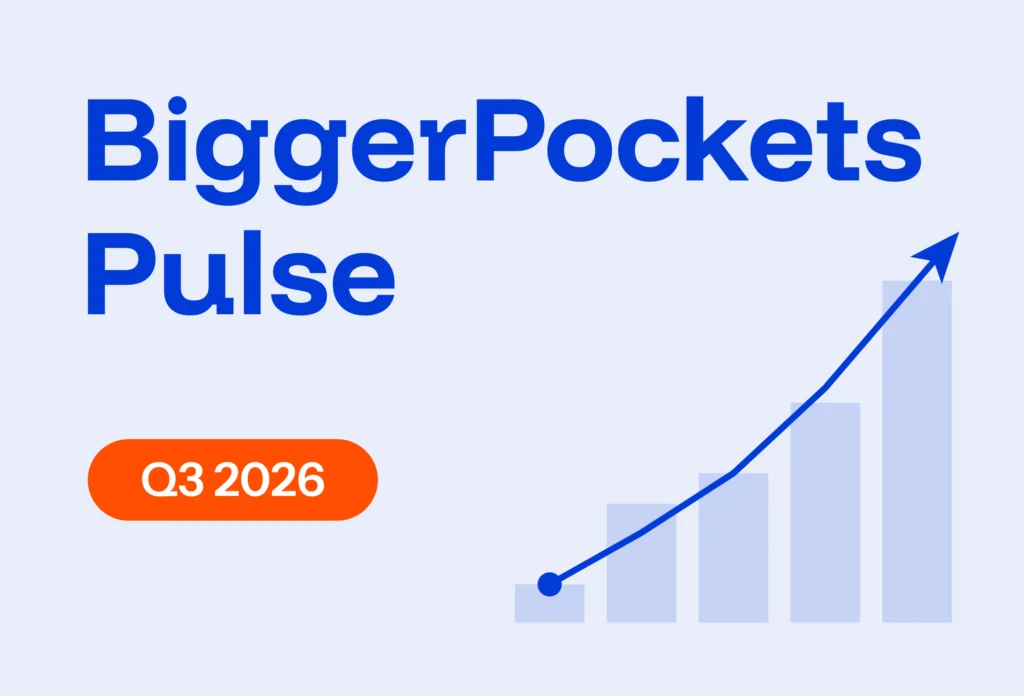
In the latest quarter of 2026, the BiggerPockets Pulse survey indicates that real estate investors are displaying resilience, actively seeking opportunities despite a challenging economic environment marked by rising interest rates and geopolitical concerns. However, there has been a noticeable decline in overall investor sentiment, with the Pulse Index dropping from 108 points in Q1 to 96 points in Q3, signifying a gradual cooling of optimism.
The survey highlights a significant challenge for investors: finding profitable deals. Nearly 30% of respondents identified this as their primary concern, up from 26% in the previous quarter. High holding costs such as insurance and property taxes, along with limited access to capital, are compounding the difficulties. Despite these challenges, 53% of investors plan to expand their portfolios over the next year, showcasing a proactive approach even amidst uncertain market conditions.
While long-term rentals remain the preferred strategy for 55% of investors, the survey also revealed shifting expectations regarding home prices and rental rates. There is a consensus that prices will stabilize, with 46% expecting them to remain flat over the next year. Conversely, inflation concerns weigh on investor confidence, leading some to reconsider their investment strategies.
Sentiment towards external factors, such as the ongoing conflict in Iran and the potential impact of artificial intelligence on demand, shows a more measured perspective. A growing majority of investors now regard these geopolitical concerns as having a neutral effect on the real estate market.
The survey reflects the views of seasoned investors, primarily aged between 45 and 64, indicating a market that is grappling with both opportunities and challenges as it adapts to current economic realities.
Why this story matters
- Understanding investor sentiment helps gauge future market trends and economic stability.
Key takeaway
- Despite a decline in optimism, investors remain focused on growth and opportunities in the current market.
Opposing viewpoint
- Some investors argue that rising costs and geopolitical tensions could hinder potential growth, leading to a more pessimistic outlook in the near future.