



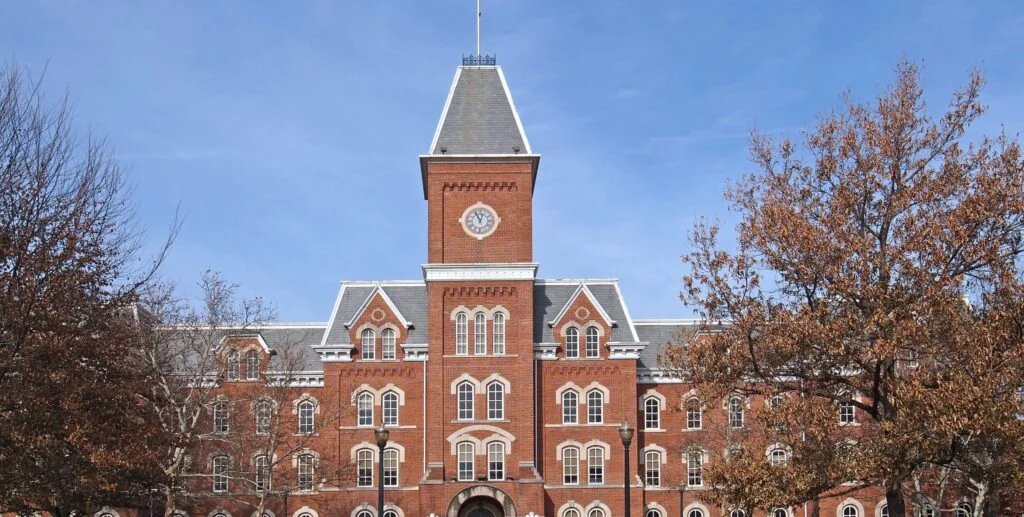
Investing in real estate near colleges, particularly in inland towns, is gaining attention due to recent data from Redfin. The company’s analysis indicates that college towns are witnessing significant home price increases, particularly in areas that remain affordable compared to larger metropolitan markets. Yingqi Xu, Redfin’s senior economist, observed that many college towns where home prices are booming also feature lower housing costs, attracting buyers who might otherwise feel excluded from pricier urban areas.
Highlighted towns include Morgantown, West Virginia; Syracuse, New York; and Tuscaloosa, Alabama, all of which are anchored by major universities and reported double-digit home price growth. The analysis focused on U.S. college towns with a substantial student population that are situated at least 30 miles from major metropolitan areas.
State College, Pennsylvania, known for Pennsylvania State University, also stands out, with homes going under contract significantly faster than the national average. The consistent demand for housing in these areas is supported by strong college enrollment, reaching 19.4 million students as of fall 2025, a trend that is projected to continue.
In contrast, some pricier college towns are experiencing price declines, largely due to high mortgage rates. Additionally, recent changes in government policy limiting corporate ownership of single-family rentals may benefit small-scale landlords in student-dense markets as they become less competitive with larger investors.
Experts suggest that while opportunities exist for small landlords, it is essential to consider each university’s academic health and local economic conditions before investing, as these factors can significantly influence long-term profitability.
Why this story matters
- Understanding where to invest can help potential investors make informed decisions in the real estate market.
Key takeaway
- Inland college towns are currently seeing significant home price increases due to affordability and consistent demand.
Opposing viewpoint
- Investing in high-demand areas like major cities may offer less cash flow but could be more stable long-term due to ongoing demand.