


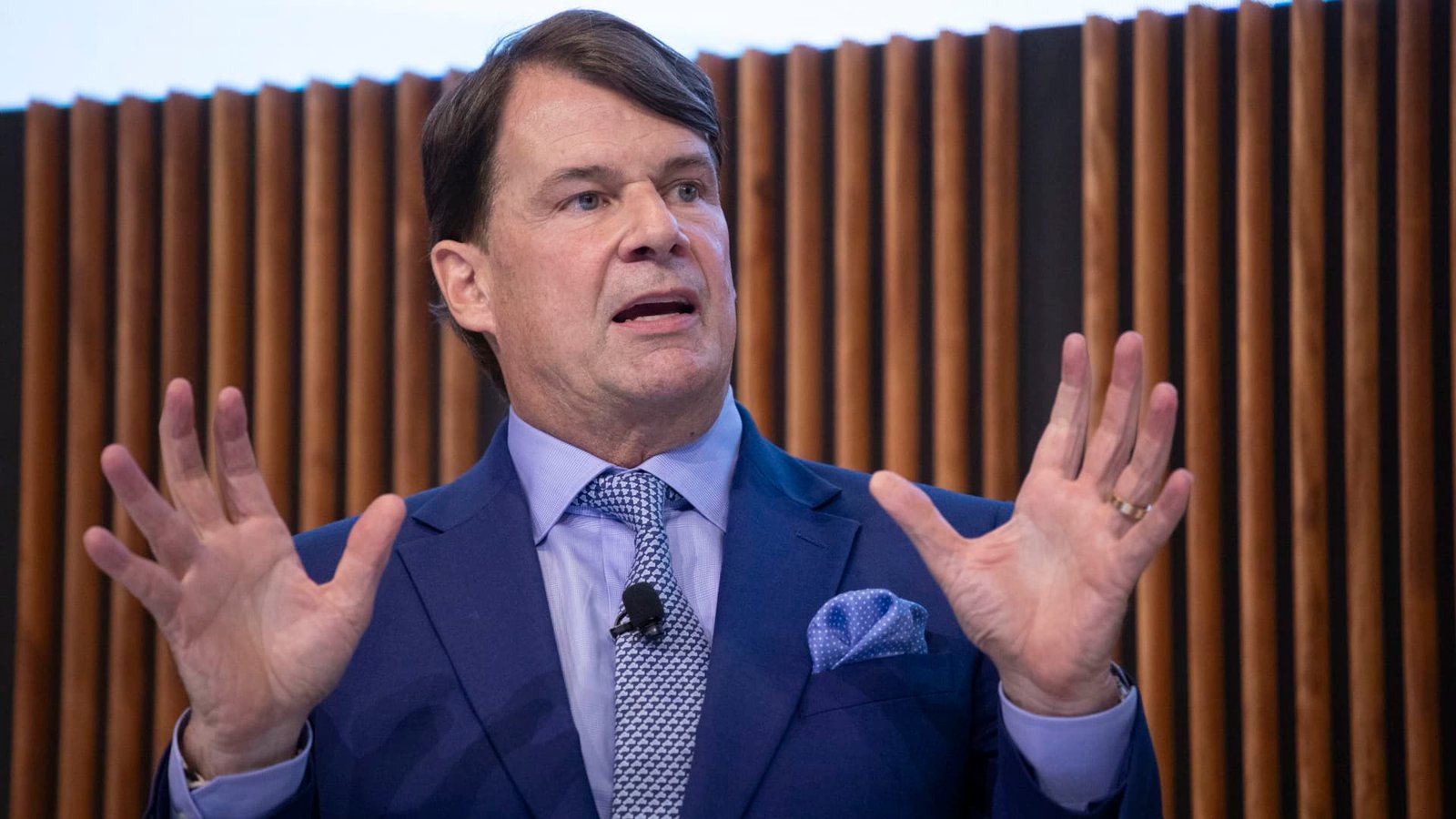
DETROIT — Ford CEO Jim Farley addressed concerns regarding the entry of Chinese automakers into the U.S. automotive market during remarks at the Automotive News Congress in Detroit. He emphasized the importance of learning from Europe’s current struggles, where the influx of Chinese brands is now a significant issue. Farley cautioned that while it may be too late for Europe to address this trend, the U.S. still has time to consider its approach.
According to GlobalData, the market share of Chinese automotive brands is projected to increase nearly 70% between 2020 and 2025. In Europe, Chinese automakers saw their market share rise from virtually zero in 2020 to 12% as of August, based on data from Dataforce.
Farley noted that Ford is exploring partnerships with Chinese firms to enhance its operational efficiency, particularly in Europe, and to support emerging technologies such as electric vehicle (EV) batteries. In July, Ford and Chinese automaker Geely announced plans for a joint venture to build EVs at a Ford facility in Spain, expected to commence production early next year.
In response to concerns voiced by the Trump administration regarding its dealings with Chinese companies, Ford reaffirmed its commitment to being a leader in U.S. production, asserting that it employs more hourly workers in the country than any other automaker. Farley also mentioned Ford’s plans to introduce its "universal electric vehicle" next year in an effort to stay competitive against the growing presence of Chinese brands.
As discussions evolve, bills are currently under consideration in Congress that could restrict or ban the entry of Chinese automotive brands into the U.S. market.
Why this story matters: The entry of Chinese automakers could significantly impact U.S. automotive jobs and market dynamics.
Key takeaway: Ford is navigating partnerships with Chinese firms while preparing to compete against them in the U.S. market.
Opposing viewpoint: Concerns exist over potential job losses and the strategic implications of collaboration with Chinese companies.