

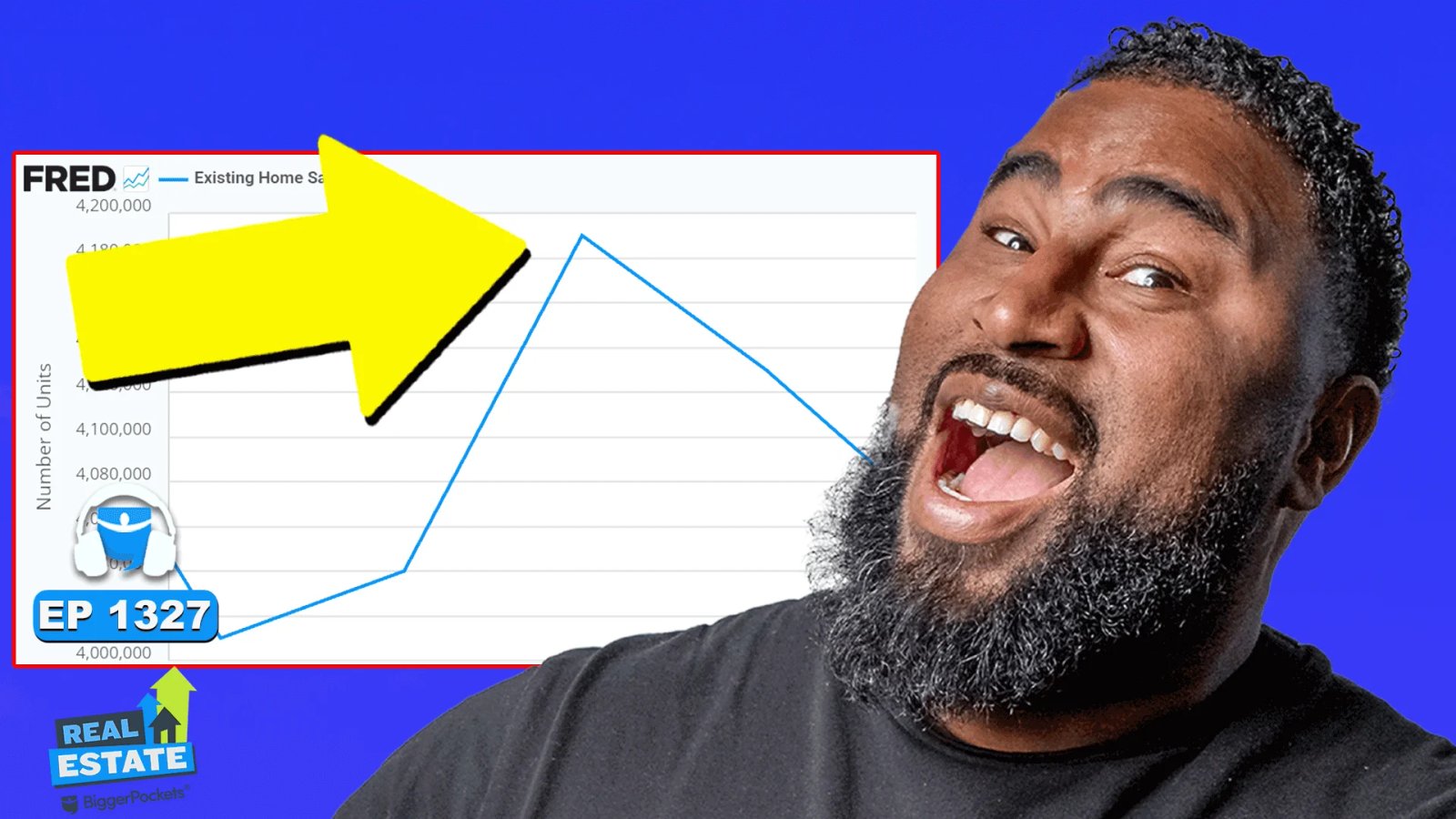
JPMorgan Chase, America’s largest bank, has announced a substantial $750 billion investment in the housing sector, an action that signals confidence in the real estate market despite broader concerns about falling home prices. This move comes amid rising interest rates and a slowdown in home sales, which fell 1.7% in July to a seasonally adjusted annual rate of 4.06 million. While the national median existing home price rose 2% year-over-year to $434,000, the market is showing signs of cooling as summer draws to a close.
Interestingly, a shift in demand is noted; less-renovated homes are attracting buyers faster than fully remodeled properties. This trend appears to reflect a growing emphasis on affordability, especially as interest rates have peaked, disenfranchising some first-time buyers while luxury home sales remain strong.
The housing landscape also indicates potential resilience against a dramatic downturn. JPMorgan’s significant capital allocation aims to enhance mortgage availability and invest in affordable housing initiatives, anticipating a steady demand in the market. Additionally, recent inflation data showed only a modest increase in the Consumer Price Index (CPI), lending optimism for keeping interest rates stable, which could further influence housing activity.
In focus is not just the macroeconomic view but the nuanced dynamics of local markets, where investor strategies are evolving to capture changing buyer preferences and conditions.
Why this story matters:
- JPMorgan’s investment could signal optimism in the housing market even as national trends suggest a slowdown.
Key takeaway:
- The growing demand for more affordable housing indicates potential longevity in the real estate market despite current challenges.
Opposing viewpoint:
- Concerns remain about affordability and interest rates impacting first-time buyers, which could hinder broader market recovery.