



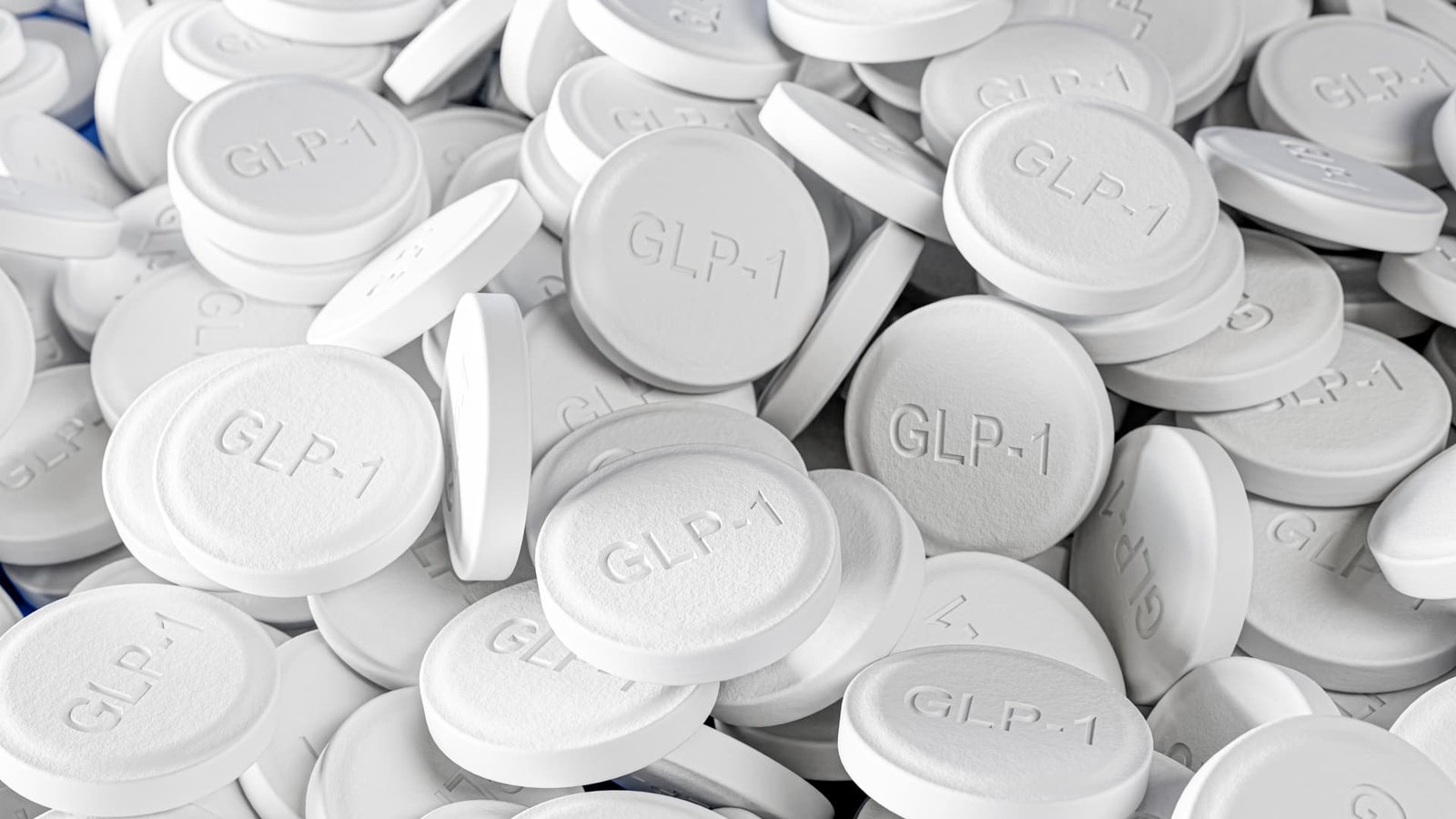
At the American Diabetes Association’s Scientific Sessions, Novo Nordisk and Eli Lilly showcased their competitive efforts in the GLP-1 weight loss medication market, signaling a new phase in patient treatment options. Novo Nordisk recently reported that prescriptions for its Wegovy pill have exceeded 3 million since its U.S. launch five months ago. CEO Mike Doustdar emphasized the rapid uptake of Wegovy, citing its continued growth despite the introduction of Lilly’s GLP-1 pill, Foundayo, in April.
Lilly’s CEO Dave Ricks noted that Foundayo has seen a significant increase in prescriptions, surpassing the initial 20,000 reported in early May, though no specific figures were provided. The rivalry between the two companies was evident, with promotional materials for both products presented throughout the conference.
Starting in July, Medicare will allow millions of beneficiaries to access GLP-1 drugs for a monthly fee of $50, a significant reduction from prior out-of-pocket costs. Novo aims to highlight Wegovy’s additional health benefits, such as reduced cardiovascular risks, while Lilly promotes the convenience of Foundayo, which can be taken with food and other medications without fasting requirements.
Both companies are expanding their drug portfolios. Lilly introduced promising Phase 3 data for its retatrutide, an experimental triple agonist that has indicated significant weight reduction in trials. Novo is awaiting FDA approval for its upcoming drug, CagriSema, which combines elements of Wegovy with another therapeutic component, although investor interest has waned.
As the competition intensifies, both companies are focusing on maximizing their presence in the evolving obesity treatment landscape.
Why this story matters: The introduction of GLP-1 drugs into Medicare could reshape obesity treatment accessibility for seniors.
Key takeaway: Both companies are strategizing to capitalize on their GLP-1 medications’ benefits as the market expands.
Opposing viewpoint: Some employers and health insurers hesitate to cover these drugs due to potential costs and fluctuating patient adherence rates.