


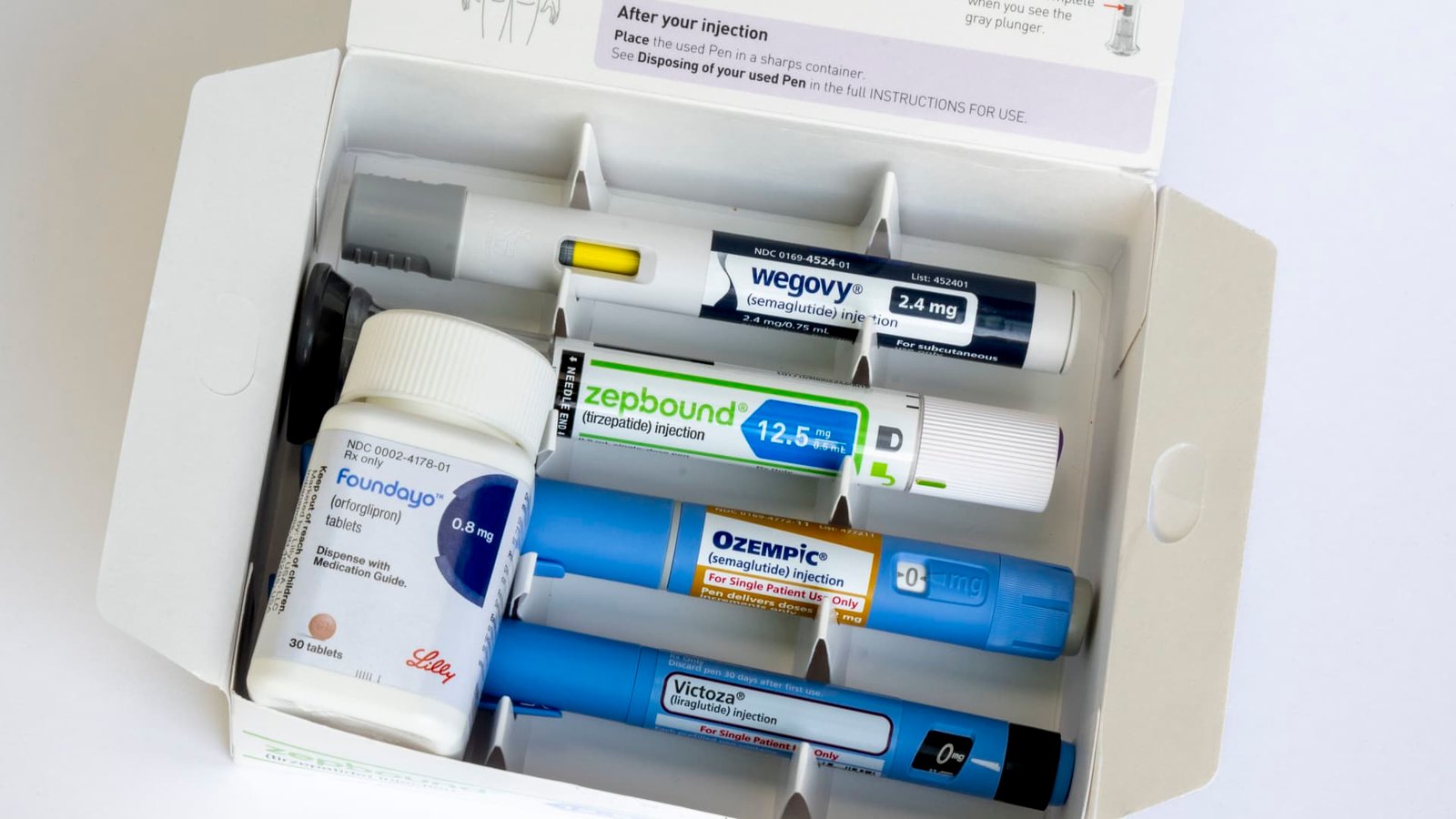
Novo Nordisk has initiated legal action against Eli Lilly, alleging deceptive advertising practices regarding their obesity and diabetes medications. The lawsuit, filed in the U.S. District Court for the District of New Jersey, claims that Lilly’s advertisements misrepresent its drugs as more effective by referencing outdated clinical trials. Novo’s complaints focus on national campaigns that compare the highest doses of Lilly’s medications with lower doses of their own drugs, specifically criticizing the omission of new evidence related to Wegovy, their recently approved high-dose obesity injection.
John Kuckelman, Novo’s general counsel, stated that Lilly’s advertising leads consumers to incorrectly believe that its medications are superior. The lawsuit follows Lilly’s refusal to withdraw or amend the disputed ads after Novo issued a cease-and-desist request in April. Novo is seeking a court order to halt the offending advertisements and demanding corrective campaigns, along with unspecified financial damages. If Lilly does not comply voluntarily, Novo plans to pursue expedited legal measures.
As the competition intensifies, Novo aims to reclaim market share in the GLP-1 class, leveraging the new high-dose Wegovy and strategic pricing against Lilly’s top-selling products, Zepbound and Mounjaro. Novo argues that Lilly’s comparative claims lack a basis in the latest research, highlighting a side-by-side representation in a commercial that inaccurately quantifies weight loss efficacy. They assert that such practices could mislead consumers who may not have access to full clinical information, thereby compromising informed decision-making.
Why this story matters
Key takeaway
Opposing viewpoint