



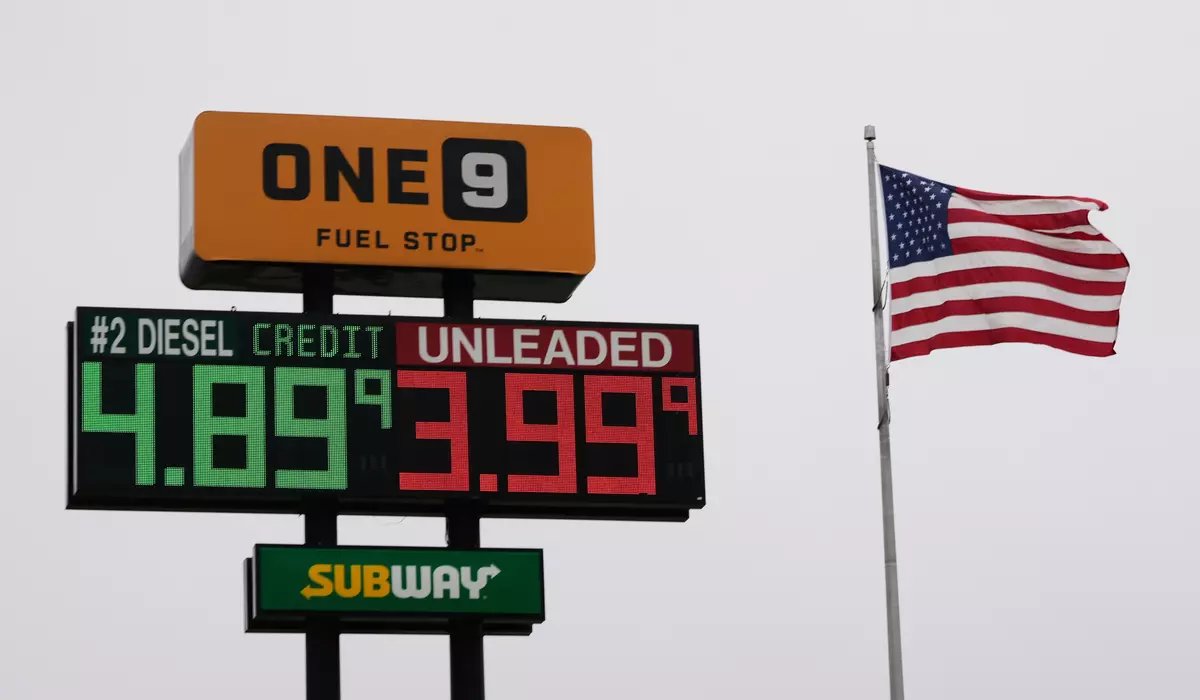
NEW YORK — High oil and gasoline prices, along with ongoing energy supply challenges, are not expected to see immediate relief despite the recent agreement to conclude the Iran conflict and reopen the Strait of Hormuz.
Energy experts indicate that it may take several months for energy companies to resume operations at levels necessary to meet global demand. The process of transporting and refining crude oil is complex, and concerns over the safety of ships traveling through the strait contribute to delays. Currently, numerous vessels carrying crude oil have been stranded in the Persian Gulf for over three months, significantly affecting oil supply routes that historically handled about one-fifth of the world’s oil before the conflict commenced.
Daniel Evans, the global head of fuels and refining research at S&P Global Energy, noted that restoring confidence and securing insurance will be crucial for operations to restart. Oil prices fell slightly at the start of the week, with Brent crude down to $83.89 per barrel and U.S. benchmark crude at $80.85 per barrel. Nevertheless, these prices remain elevated compared to approximately $70 per barrel before hostilities began.
As operations gradually resume, stranded ships must first navigate the strait before new tankers can load crude oil. The transportation process is inherently slow, necessitating months to move oil from the strait to refineries and ultimately to the market. Regions such as Saudi Arabia and the United Arab Emirates may recover production faster due to alternative pipelines, while countries like Iraq face more significant delays due to a greater cessation of production.
Investment in the energy sector has also stalled during the conflict’s escalation, complicating the recovery further and emphasizing the need for conditions of stability before oil production can fully resume.
Why this story matters: The state of oil prices affects global economies and consumer behavior significantly.
Key takeaway: Recovery of oil production and supply chains will be gradual and complex, with various geopolitical factors at play.
Opposing viewpoint: Some analysts argue that alternative routes and logistical solutions could lead to a quicker recovery than anticipated.