



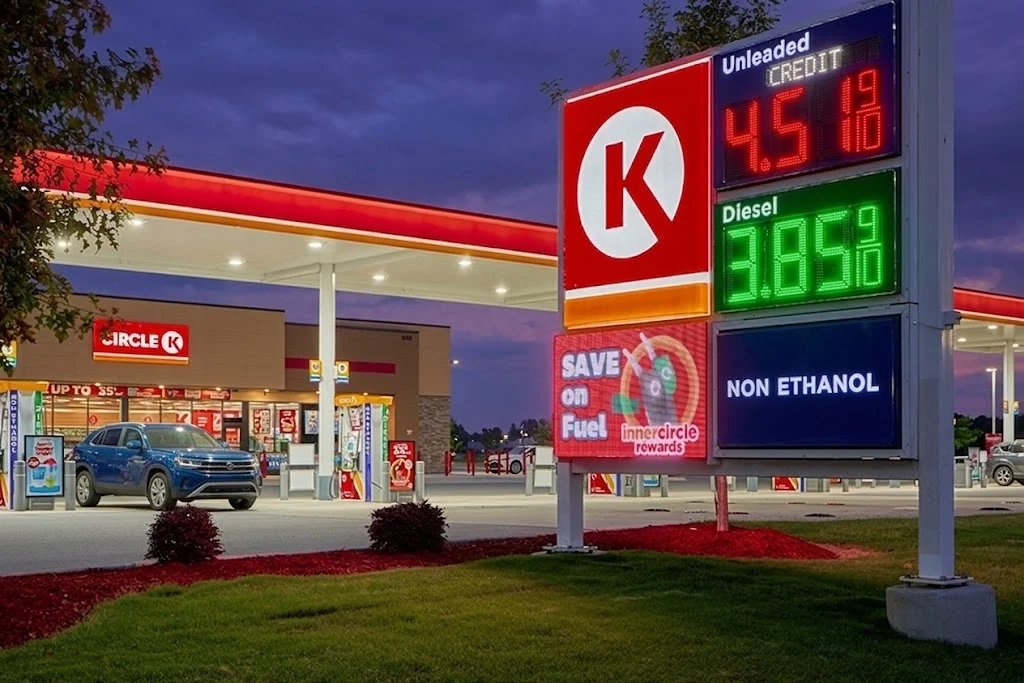
Gas prices across the United States have surged to an average exceeding $4.50 per gallon, causing concern among daily commuters as prices were below $3 as recently as January. Analysts suggest that continued inflation in gas prices could see consumers facing $5 per gallon in the near future, particularly amid ongoing geopolitical tensions in the Middle East.
For investors, rising gas prices prompt strategic considerations. While the energy sector has performed well in recent months, not every company benefits uniformly. Analysts recommend that investors diversify their holdings to mitigate risks associated with gas price volatility.
Notably, specific segments within the energy sector stand to gain. Companies positioned in the West Coast refinery market, Permian Basin shale producers, and shipping tanker operators are likely to provide advantageous opportunities. For instance, Par Pacific Holdings, a small-cap refiner, has benefited significantly from high retail gasoline prices in California, with substantial revenues reported in recent quarters.
Diamondback Energy, another key player, has capitalized on skyrocketing crude oil prices, significantly increasing its free cash flow projections. Meanwhile, Scorpio Tankers, responding to shipping disruptions caused by geopolitical issues, has seen record revenue growth as shipping rates increase amid supply chain challenges.
Despite these positive trajectories, the energy market remains volatile. The continuation of current geopolitical conditions could further impact stock performance, creating both opportunities and risks for investors navigating this landscape.
Why this story matters:
- Rising gas prices have broad implications for both consumers and investors.
Key takeaway:
- Diversification within the energy sector can provide a buffer against fluctuating gas prices.
Opposing viewpoint:
- Some analysts caution that any normalization of geopolitical situations could lead to a rapid decrease in energy stock values.