

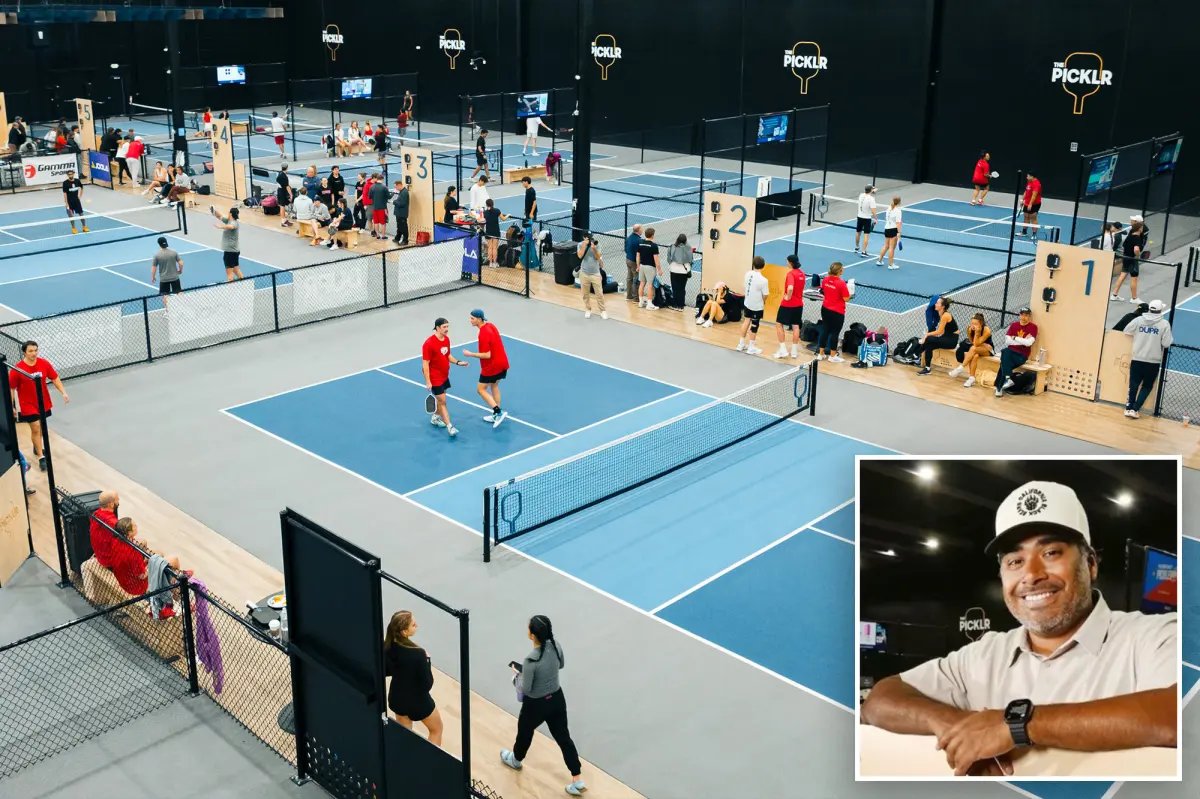
The Pickler, a franchisor of indoor pickleball facilities, has officially filed for Chapter 11 bankruptcy protection in the U.S. Bankruptcy Court for the Northern District of Texas. The company aims to reorganize following a costly miscalculation involving lease guarantees for early franchisees, an issue acknowledged by Founder and CEO Jorge Barragan.
In a public announcement, The Pickler disclosed that an investor group led by a franchisee has pledged $4.5 million in financing to support the restructuring, pending court approval. Barragan explained that about 40 franchise locations had lease contracts that placed significant financial strain on the company. He noted, “We signed, unfortunately, too many corporate guarantees… Utilizing Chapter 11 bankruptcy will allow us to work with landlords to create profitable businesses moving forward.”
Despite the bankruptcy filing, The Pickler emphasized that its clubs and independently operated locations are continuing to serve members without interruption. Founded in 2021 and beginning franchising in 2023, the company has swiftly expanded to over 70 locations across the U.S., Australia, Canada, and Japan.
A financial overview attached to the bankruptcy petition revealed assets valued at approximately $915,000 and liabilities totaling around $2.39 million. Tom Neale, a franchisee leading the investor group, expressed optimism about the business’s future, asserting that many within the franchise see potential for recovery despite recent challenges.
Barragan indicated that franchisee support and restructuring efforts should help navigate current economic uncertainties while ensuring the longevity of their lease commitments. An industry expert remarked that the interim financing is a positive development for franchisees and members alike amid broader concerns about the sustainability of rapid growth within the indoor pickleball market.
Why this story matters:
- The Pickler’s bankruptcy reflects broader challenges in the rapidly expanding pickleball industry.
Key takeaway:
- The company is seeking to restructure its financial obligations while maintaining club operations.
Opposing viewpoint:
- Critics question whether the rapid expansion and lease agreements that fueled growth were sustainable amid changing economic conditions.