



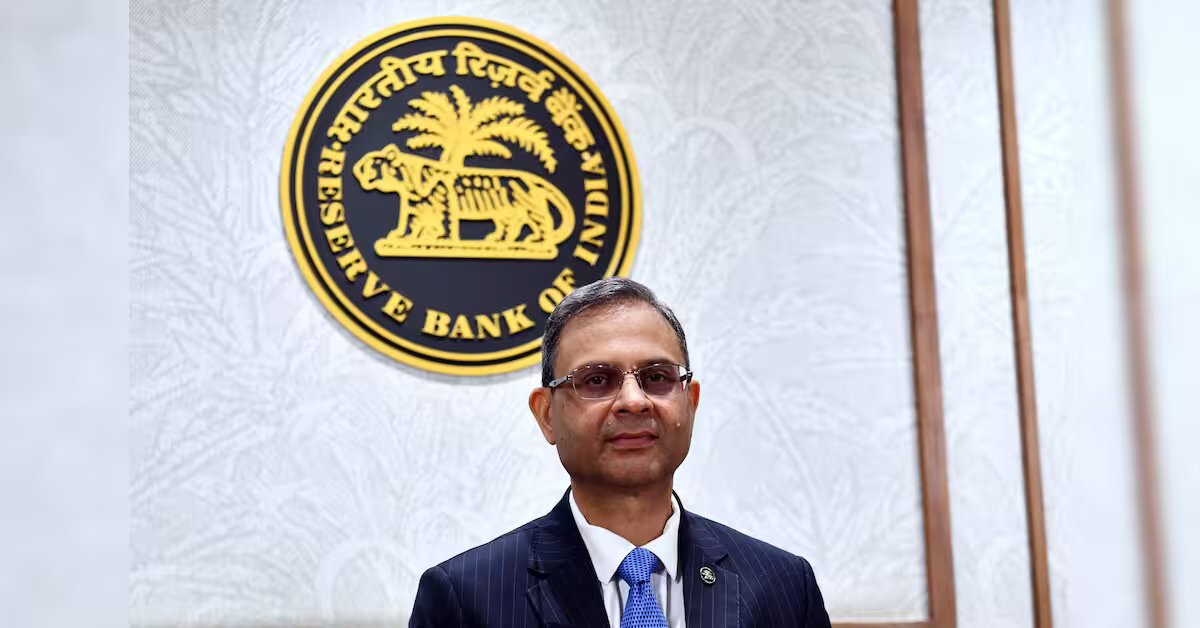
The Federal Reserve’s recent decision to raise interest rates by 25 basis points to a range of 3.75% to 4% has heightened attention on the Reserve Bank of India’s (RBI) upcoming Monetary Policy Committee (MPC) meeting scheduled for October 5 to 7. Analysts believe that the key focus is on the change in direction of the monetary policy rather than the magnitude of the increase. Many anticipate that the RBI may implement 50 basis-point hikes in both the October and December meetings, potentially raising the repo rate from 5.25% to 5.75%.
The implications of the Federal Reserve’s decision are significant for India, as it narrows the comfort zone that the RBI previously enjoyed. According to Vinit Bolinjkar, the head of research at Ventura, a reduced gap between Indian and US interest rates could exert pressure on the rupee and deter foreign investment in Indian bonds.
Inflation remains a critical concern, with retail inflation recorded at 4.82% in August, its highest level since December 2024. Food inflation is nearing 6%, and core inflation is gradually increasing, suggesting widespread price pressures. Wholesale inflation has also risen sharply to 9.92%, up from 9.78% in July, marking a broader trend of increasing costs.
Experts warn that the conditions are becoming less favorable for interest rate cuts due to rising inflation and elevated wholesale prices. While a 25 basis-point hike from the RBI is plausible, it is not guaranteed, especially if crude prices continue to influence domestic inflation levels. Analysts from Axis Capital and Emkay Global have indicated that a focus on liquidity and alignment of overnight rates with policy rates will likely drive the RBI’s near-term strategies.
Why this story matters
- Changes in RBI policy could impact economic growth and foreign investment levels in India.
Key takeaway
- Analysts expect the RBI to increase rates, citing rising inflation and pressures from the US Fed’s policy shifts.
Opposing viewpoint
- Some economists argue that the RBI should refrain from aggressive rate hikes to support growth amid rising inflation pressures.