


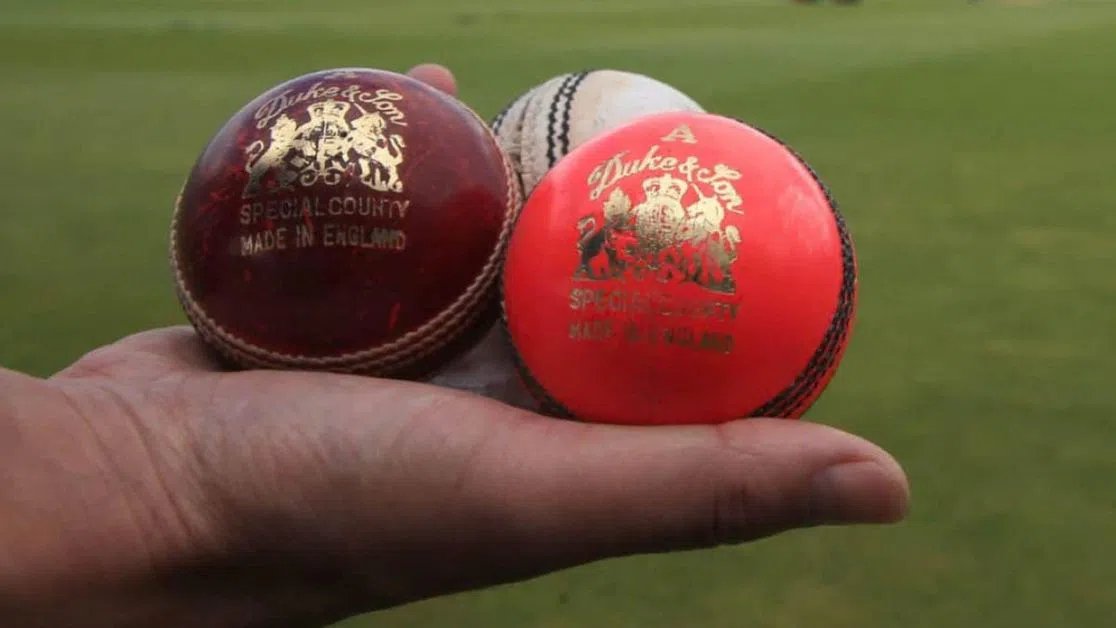
The International Cricket Council (ICC) is evaluating significant alterations to playing conditions across various cricket formats. Proposed changes include reducing the innings breaks in T20 Internationals from 20 minutes to 15 minutes, expanding on-field access for head coaches, and possibly using different-colored balls during Test matches. These proposals are set to be reviewed for approval at the ICC Board meeting in Ahmedabad on May 30.
If ratified, the amendments would apply to red, white, and pink-ball cricket and could be implemented later this year. One particularly notable proposal involves the option to switch from a red ball to a pink ball in Test matches that face weather interruptions, allowing play to continue under lights. This change would require mutual agreement between both teams before the series begins, with further details on the transition still being finalized.
Another key proposal is to allow head coaches onto the field during drinks breaks in One Day Internationals (ODIs). Currently, only substitute players can participate during these breaks. If approved, this would bring ODI regulations in line with those of T20I cricket, which already permits coaches to consult with players during tactical breaks.
Additionally, the ICC is considering the introduction of Hawk-Eye technology to assist on-field umpires in monitoring bowlers for potentially illegal actions. This measure aims to enhance the scrutiny of suspect bowling, although the implementation specifics remain to be determined.
The discussion of these proposed amendments took place during a recent virtual meeting of the ICC Chief Executives Committee, which included leadership from the ICC Cricket Committee. Should the board approve these changes, they are expected to take effect from October 1.
Why this story matters:
- The proposed changes aim to modernize cricket and enhance the overall viewing experience.
Key takeaway:
- Upcoming ICC Board meeting may significantly alter cricket’s playing conditions.
Opposing viewpoint:
- Some traditionalists may resist changes to long-established playing formats and rules.